Whole-exome sequencing
Recent articles
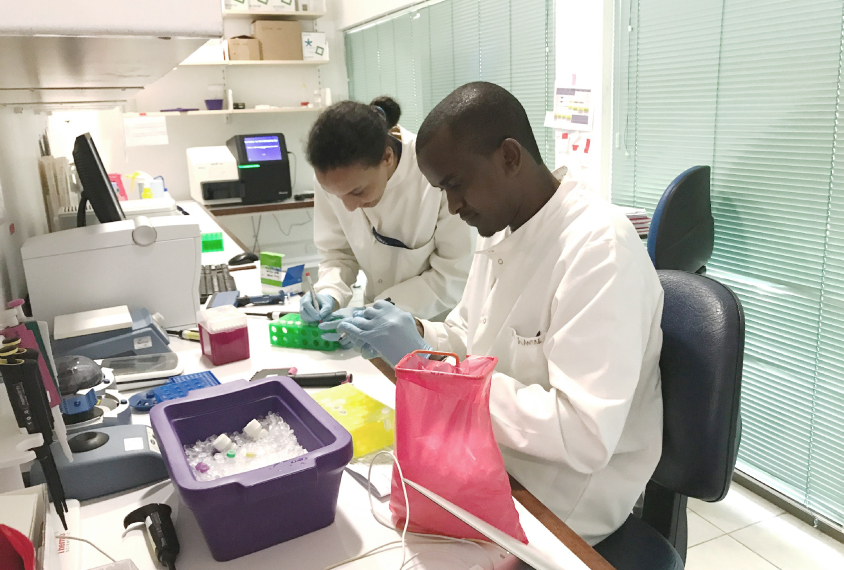
African genetics study NeuroDev shares initial findings
The most comprehensive study of neurodevelopmental conditions in Kenya and South Africa ever conducted shares preliminary results and lessons.
African genetics study NeuroDev shares initial findings
The most comprehensive study of neurodevelopmental conditions in Kenya and South Africa ever conducted shares preliminary results and lessons.
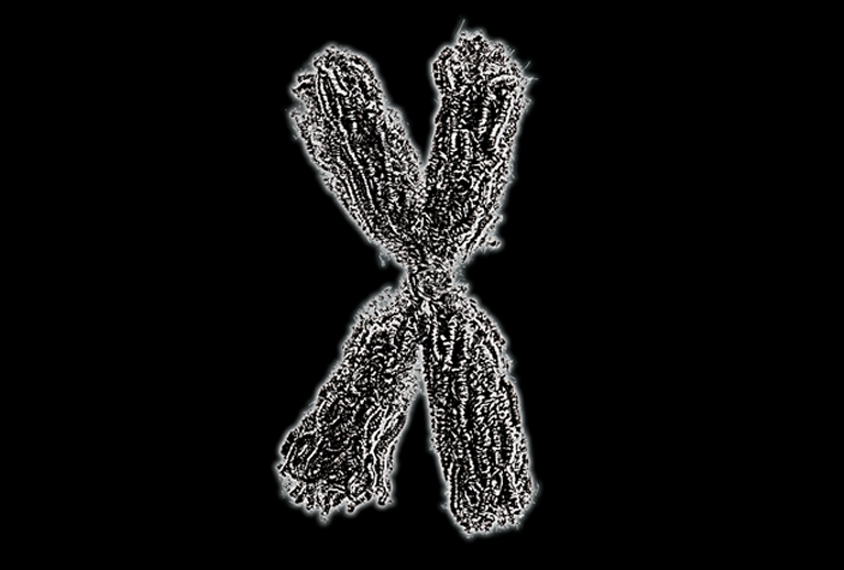
X-chromosome variants help explain autism’s sex bias
The rare variants are also linked to ADHD and Tourette syndrome, two other conditions that disproportionately affect boys and men.
X-chromosome variants help explain autism’s sex bias
The rare variants are also linked to ADHD and Tourette syndrome, two other conditions that disproportionately affect boys and men.

Scans of sundry variant types uncover autism-linked genes
Troves of sequencing data reveal genes tied to autism through different variant types, providing a more complete picture of the condition’s genetic roots and new clues to its heterogeneity.
Scans of sundry variant types uncover autism-linked genes
Troves of sequencing data reveal genes tied to autism through different variant types, providing a more complete picture of the condition’s genetic roots and new clues to its heterogeneity.
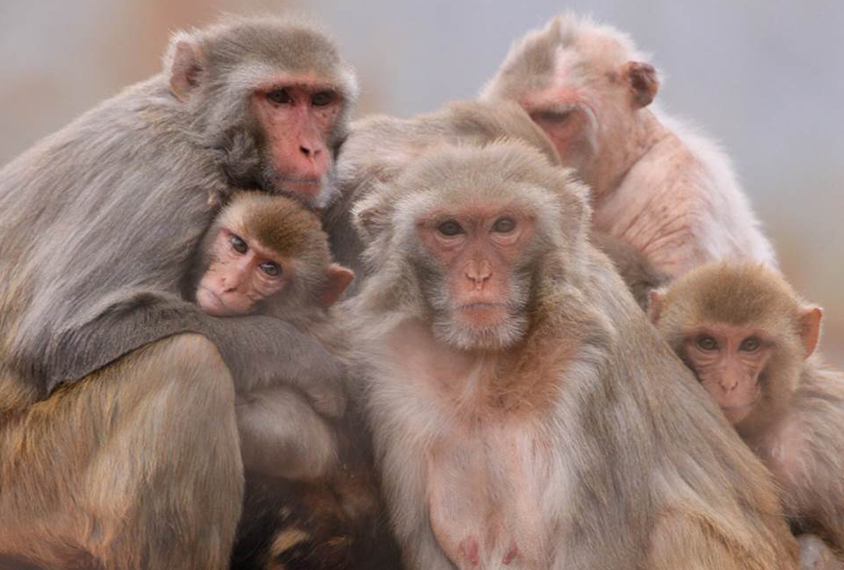
Macaques’ social skills tied to variation in autism-linked genes
Genetics strongly influences some aspects of the monkey’s social behavior, including tendencies to solicit grooming and sit or play alone.
Macaques’ social skills tied to variation in autism-linked genes
Genetics strongly influences some aspects of the monkey’s social behavior, including tendencies to solicit grooming and sit or play alone.

Q&A with Brenda Finucane: Building pipelines for genetic tests for autism
Most autistic people do not receive the medically recommended genetic tests for autism. Brenda Finucane and her colleagues want to change that.
Q&A with Brenda Finucane: Building pipelines for genetic tests for autism
Most autistic people do not receive the medically recommended genetic tests for autism. Brenda Finucane and her colleagues want to change that.
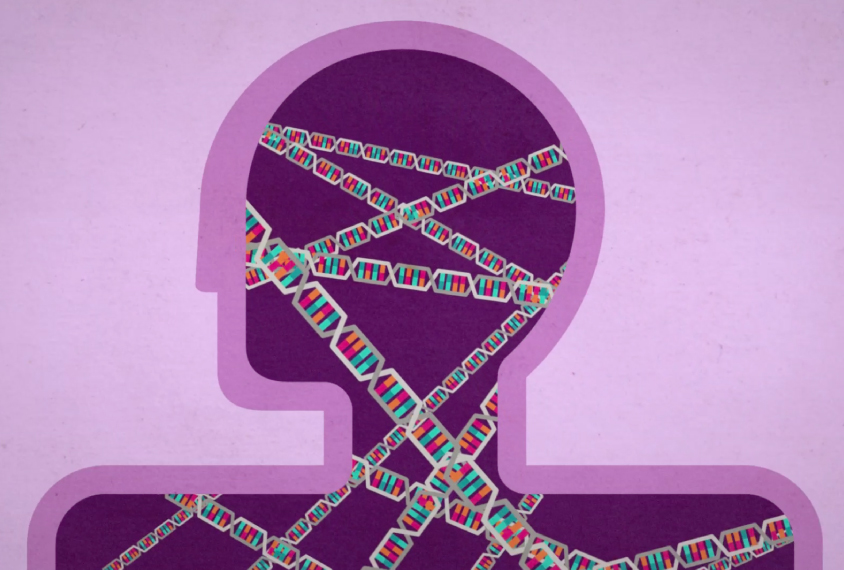
Autism genetics, explained
The more scientists dig into DNA, the more intricate its contribution to autism seems to be. Here, we unravel the complex genetics of autism.
Autism genetics, explained
The more scientists dig into DNA, the more intricate its contribution to autism seems to be. Here, we unravel the complex genetics of autism.
Genes tied to autism, developmental delay, schizophrenia share functions
Many genes linked to autism, schizophrenia and neurodevelopmental delay regulate gene expression and support communication between neurons.
Genes tied to autism, developmental delay, schizophrenia share functions
Many genes linked to autism, schizophrenia and neurodevelopmental delay regulate gene expression and support communication between neurons.
Largest autism genetics analysis to date uncovers more high-confidence candidates
The largest-yet study of genetic data from autistic people has identified 255 genes associated with the condition.
Largest autism genetics analysis to date uncovers more high-confidence candidates
The largest-yet study of genetic data from autistic people has identified 255 genes associated with the condition.
There are no autism-specific genes, just brain genes
There is not yet a single example of a gene that, when mutated, increases the likelihood of autism but not of other neurodevelopmental conditions, including intellectual disability.
There are no autism-specific genes, just brain genes
There is not yet a single example of a gene that, when mutated, increases the likelihood of autism but not of other neurodevelopmental conditions, including intellectual disability.
Analysis links 98 genes to neurodevelopmental conditions
Genetic sequences from nearly 53,000 people with autism, developmental delay or intellectual disability reveal strong ties to 98 genes.
Analysis links 98 genes to neurodevelopmental conditions
Genetic sequences from nearly 53,000 people with autism, developmental delay or intellectual disability reveal strong ties to 98 genes.
Explore more from The Transmitter
Hidden connections in the thalamus: Mapping the electrical synapses of the brain’s attentional gate
New research uses a light-based mapping technique to show that electrical synapses persist in the adult thalamic reticular nucleus, where they link neurons selectively, reach farther than anyone had previously measured, and join together cell types that serve separate streams of sensory information.

‘Shock and pain’ after ICE detains Princeton neuroscientist
Eva Yi Xie, a third-year graduate student in Carlos Brody’s lab at Princeton University, was detained yesterday at an airport in Washington, D.C., while traveling from the Society for Neuroscience meeting.
‘Shock and pain’ after ICE detains Princeton neuroscientist
Eva Yi Xie, a third-year graduate student in Carlos Brody’s lab at Princeton University, was detained yesterday at an airport in Washington, D.C., while traveling from the Society for Neuroscience meeting.

Training graduate students as a teaching professor
Mayank Chugh instructs graduate students in a range of molecular biology techniques at the University of Maryland and carves out time to do metascience research as well.
Training graduate students as a teaching professor
Mayank Chugh instructs graduate students in a range of molecular biology techniques at the University of Maryland and carves out time to do metascience research as well.