The Transmitter: Neuroscience News and Perspectives
Featured
Examining the bridge between neuroscience and AI
Commentary: Citation graphs may underestimate neuroscience’s influence on AI
Commentary: The rising absolute number of neuro-inspired AI papers represents a substantial footprint

Neuroscience gave AI its start. What happens now?
What to do when traditional mechanistic approaches no longer work
Govern neurodata by how it’s used, not where it’s from
This paper changed my life: A first glimpse into the ‘middle’ of brain processing
— ALEXANDER OPHIR, PROFESSOR AND CHAIR OF THE PSYCHOLOGY DEPARTMENT AT CORNELL UNIVERSITY READ NOW
Prevalence of profound autism declines with new definition

U.S. national primate research centers face an uncertain future
Grant review needs reform. How about we add an element of chance?
Incredible shrinking grant deadlines at the BRAIN Initiative
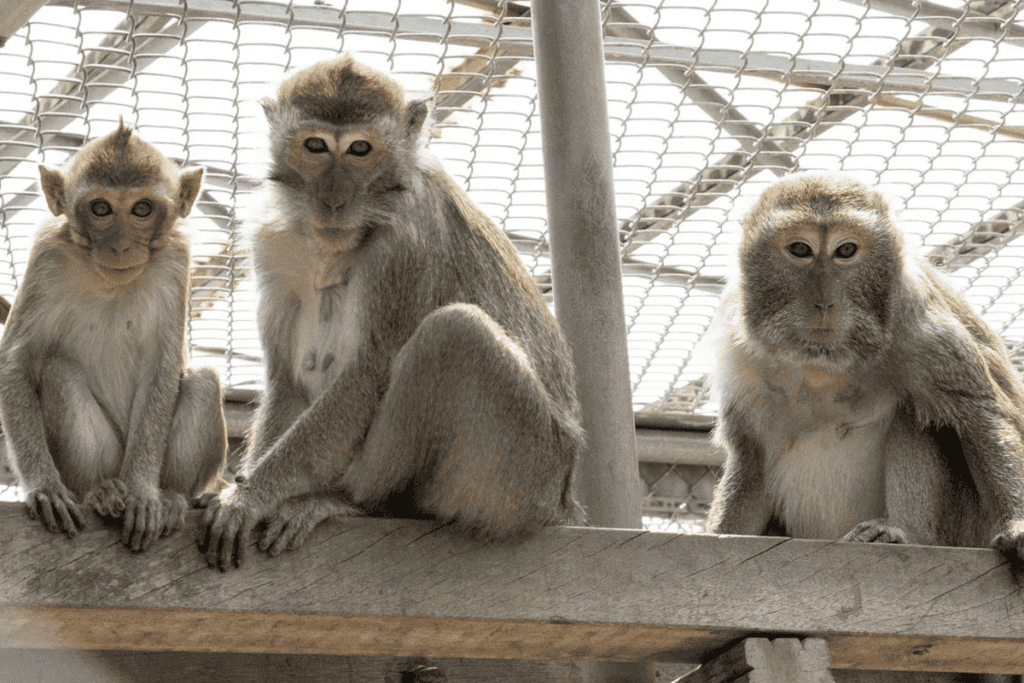
Dutch primate center awaits October animal research debate

Building brain-computer interfaces at a neurotech company
Amid funding uncertainty, neuroscientists report a mix of cynicism, persistence
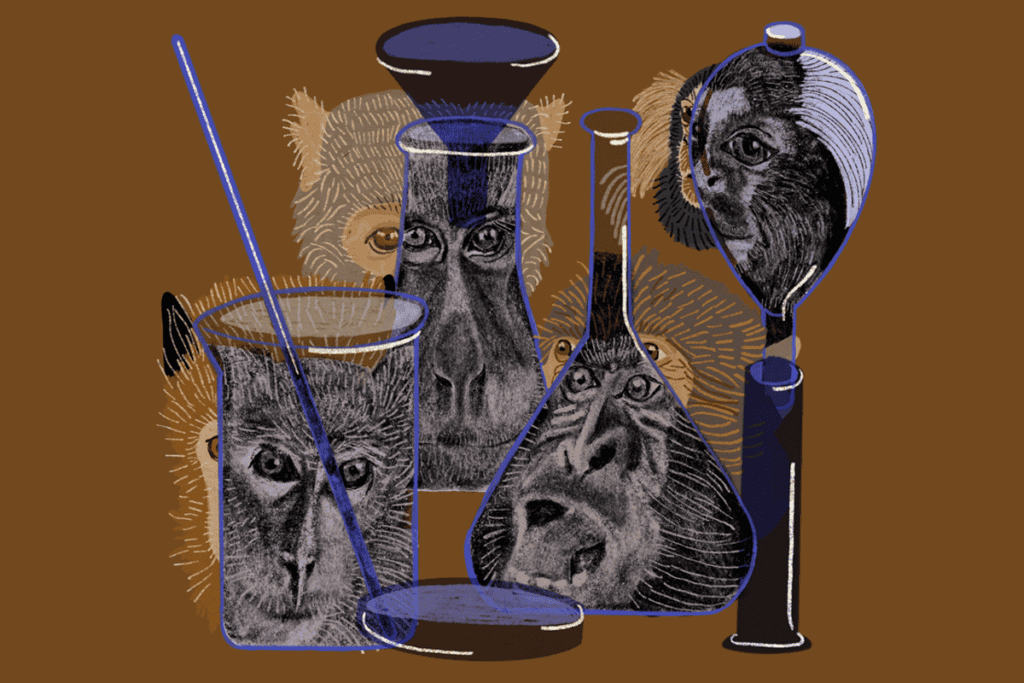
What if nonhuman primate research goes away?
As the U.S. government takes steps to stop using nonhuman primates in research, The Transmitter investigates what that shift could mean for neuroscience.
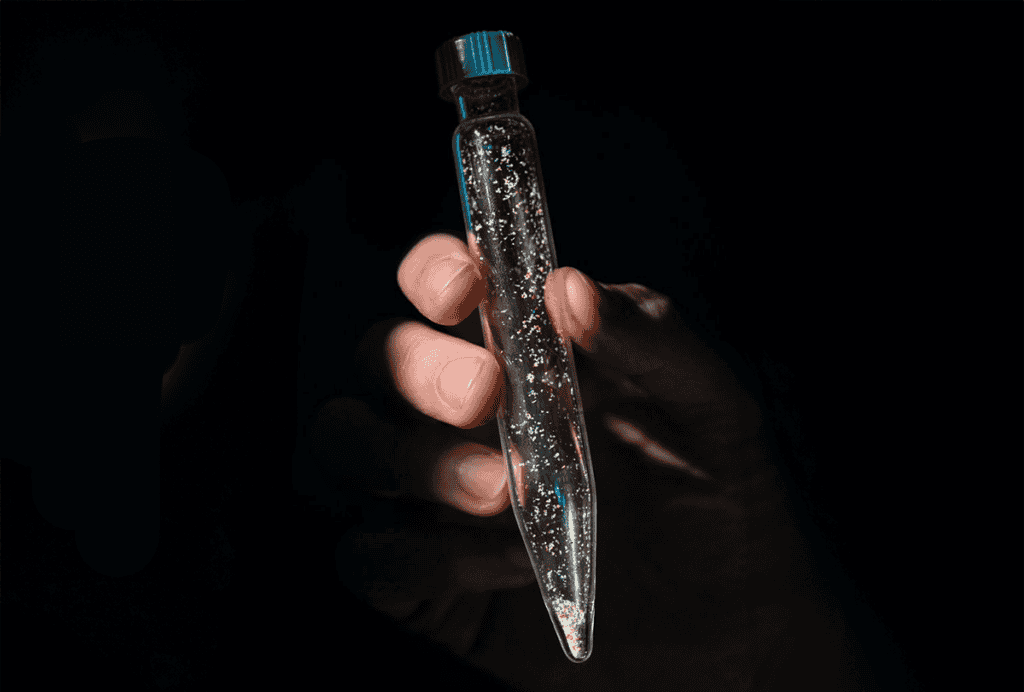
Measuring plastic in the brain: Improving, but incomplete
Meanwhile, researchers are publishing papers without “sufficient quality control,” says analytical chemist Dušan Materić.
This paper changed my life: A first glimpse into the ‘middle’ of brain processing
This paper changed my life: Transformative work in addiction neuroscience
This paper changed my life: A technical breakthrough for memory studies
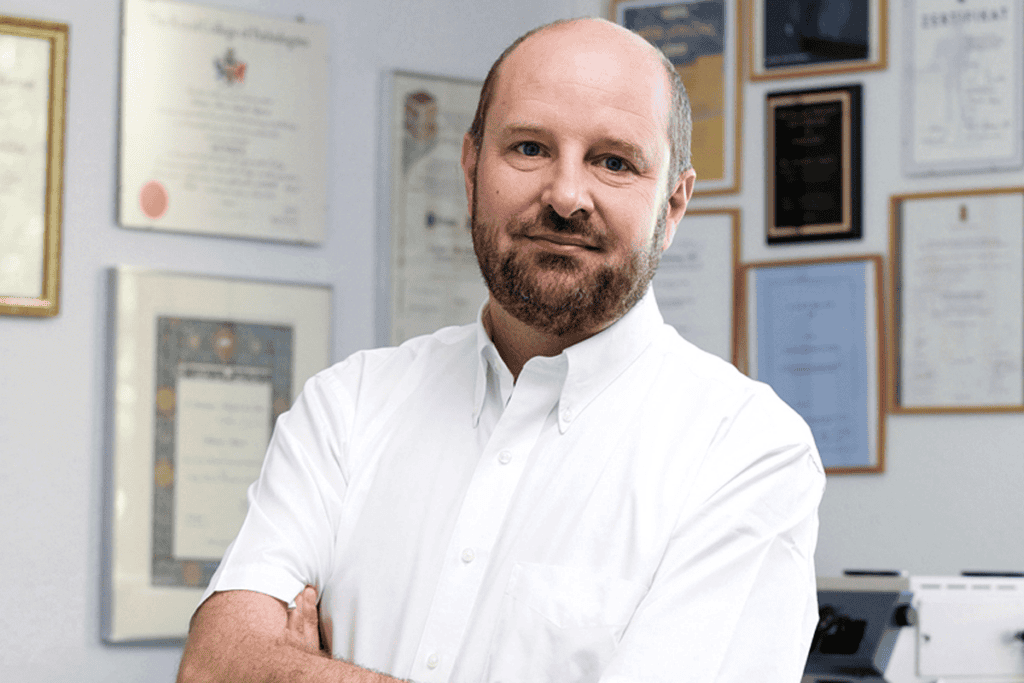
Neuropathologist not guilty of research misconduct, says university probe
Scientists decry conference’s use of hidden prompts to snare AI peer reviews
Exclusive: Neuroscience journal editor resigns over automation concerns
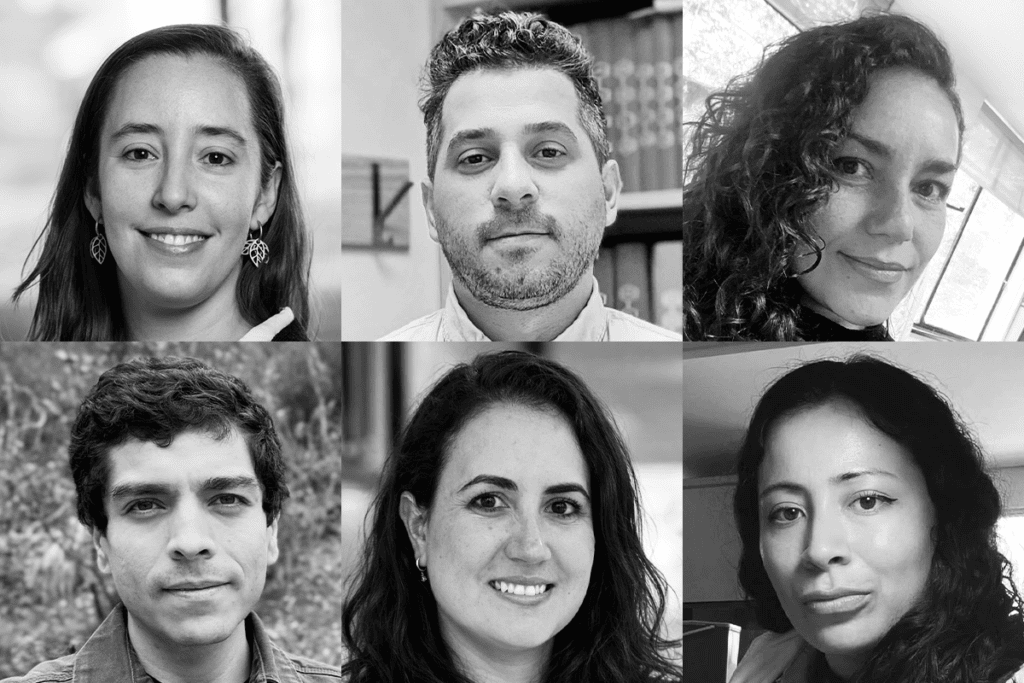
The Transmitter’s directory of new labs in Latin America
Learn about early-career neuroscientists who have started new labs or independent lines of research in Latin America over the past five years.

The Transmitter’s Rising Stars of Neuroscience 2025

The Transmitter’s New Lab Directory
Finding neuroheterogeneity’s sweet spot
How new technologies can bring primatologists and systems neuroscientists together

How Nobel Prize-winning optogenetics has revolutionized neuroscience

Is confidence a second thought—or part of the first one?
Susana Carmona on the neurobiology of pregnancy
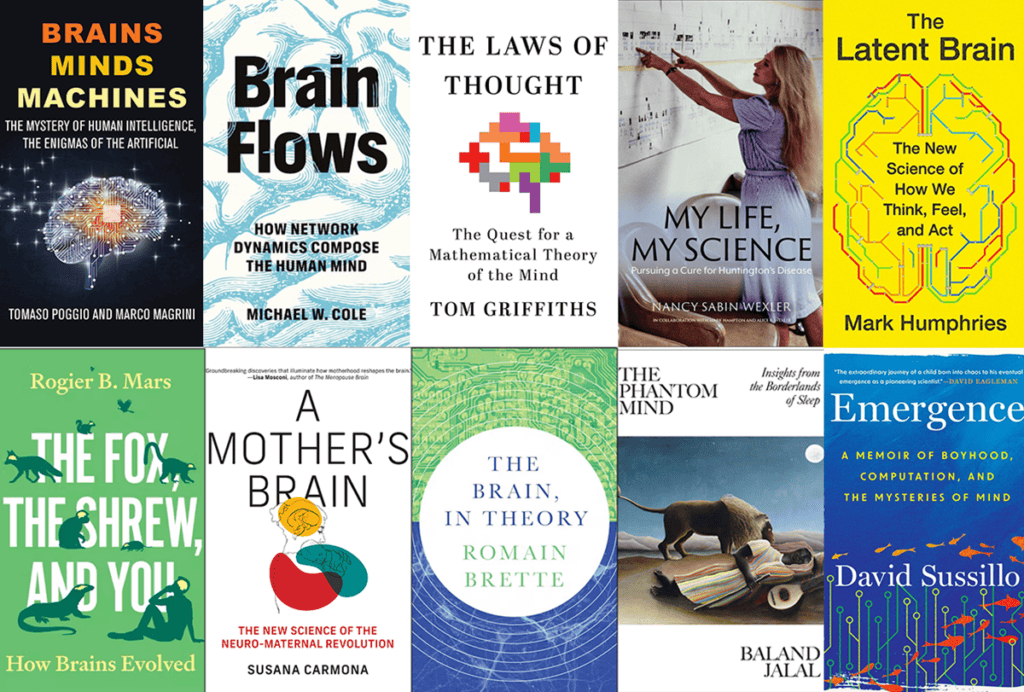
Five new neuroscience books, and other notable titles from 2026
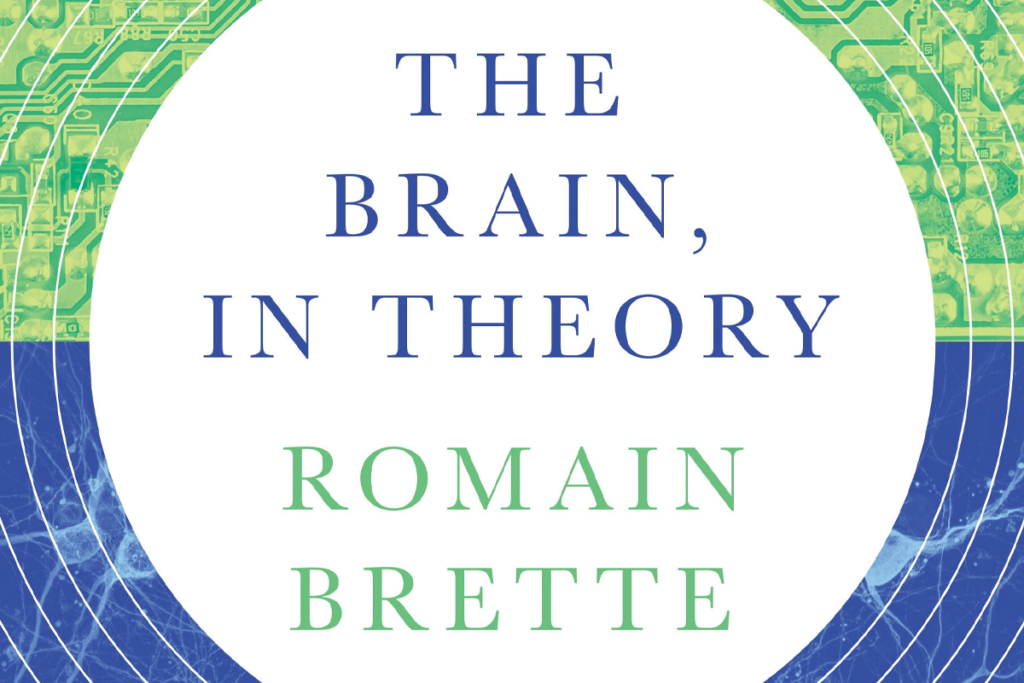
‘The Brain, In Theory,’ an excerpt
Models at the speed of thought: How AI coding is reshaping theoretical neuroscience
Agentic coding makes it possible to specify a neuroscience model in hours instead of months. Seven neuroscientists weigh in on what that tectonic change may bring to the field.
Trading places: What happens when neuroscience turns into machine learning, and machine learning turns into neuroscience?
Neuroscience has become increasingly concerned with prediction, and machine learning with causal explanation, with each field adopting methods from the other. I asked eight experts to weigh in on what we stand to learn from this exchange.