Synaptic
Recent articles
This podcast focuses on the people, the science and the challenges in neuroscience.
When autistic kids grow up
An autistic researcher’s paper called attention to a huge disparity in autism funding research between children and adults. It nearly derailed her life.
When autistic kids grow up
An autistic researcher’s paper called attention to a huge disparity in autism funding research between children and adults. It nearly derailed her life.
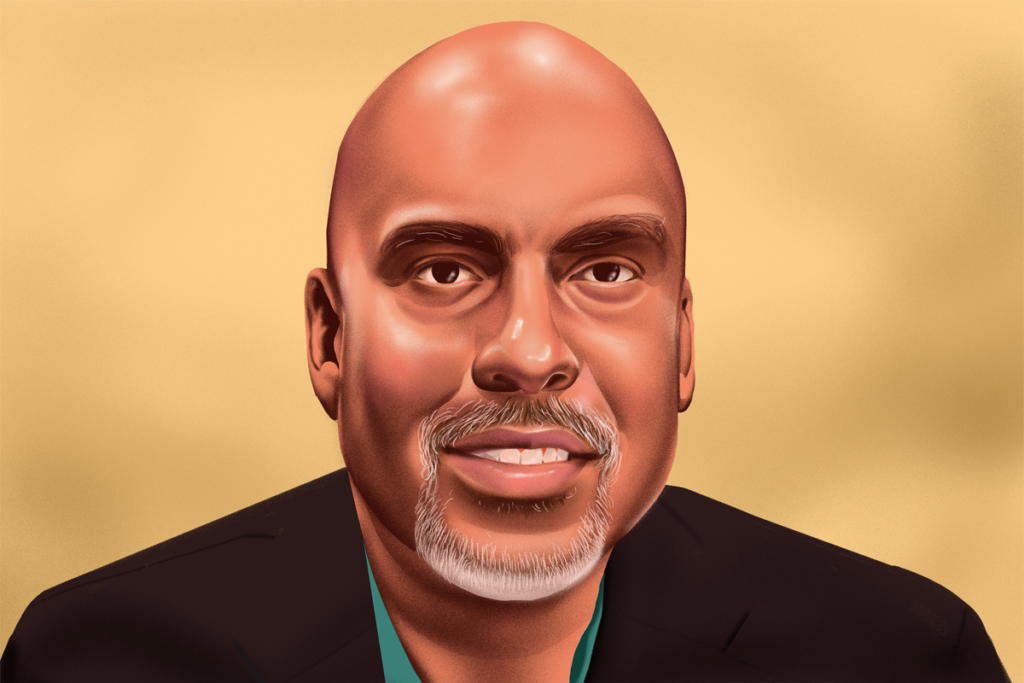
Stimulating the brain with Damien Fair
The MacArthur Foundation “genius” discusses his return to his home state of Minnesota and why it’s important to protect the developing brain.
Stimulating the brain with Damien Fair
The MacArthur Foundation “genius” discusses his return to his home state of Minnesota and why it’s important to protect the developing brain.
Season 2 of ‘Synaptic’ draws to a close
Season 3 will begin next year.
Season 2 of ‘Synaptic’ draws to a close
Season 3 will begin next year.
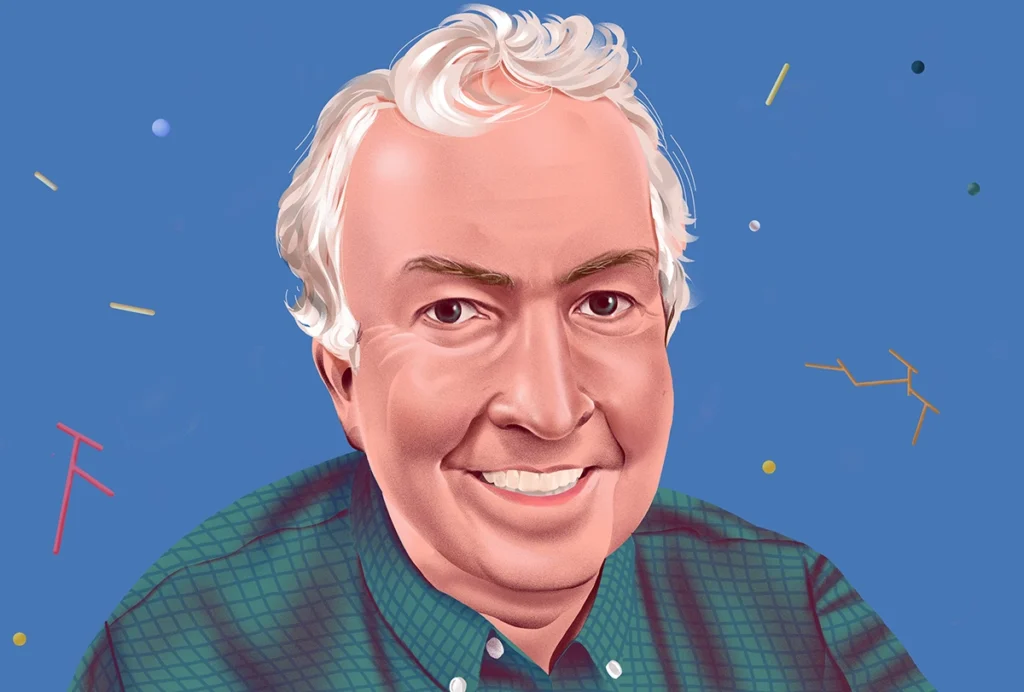
Timothy Ryan on his pivotal switch from studying particle physics to decoding synaptic transmission
Dissuaded from pursuing theoretical physics and deterred by the “long feedback loop” in experimental physics, the National Academy of Sciences member took inspiration from “polymath” Watt Webb and “visionary” Stephen Smith—and learned to work “completely outside his comfort zone.”
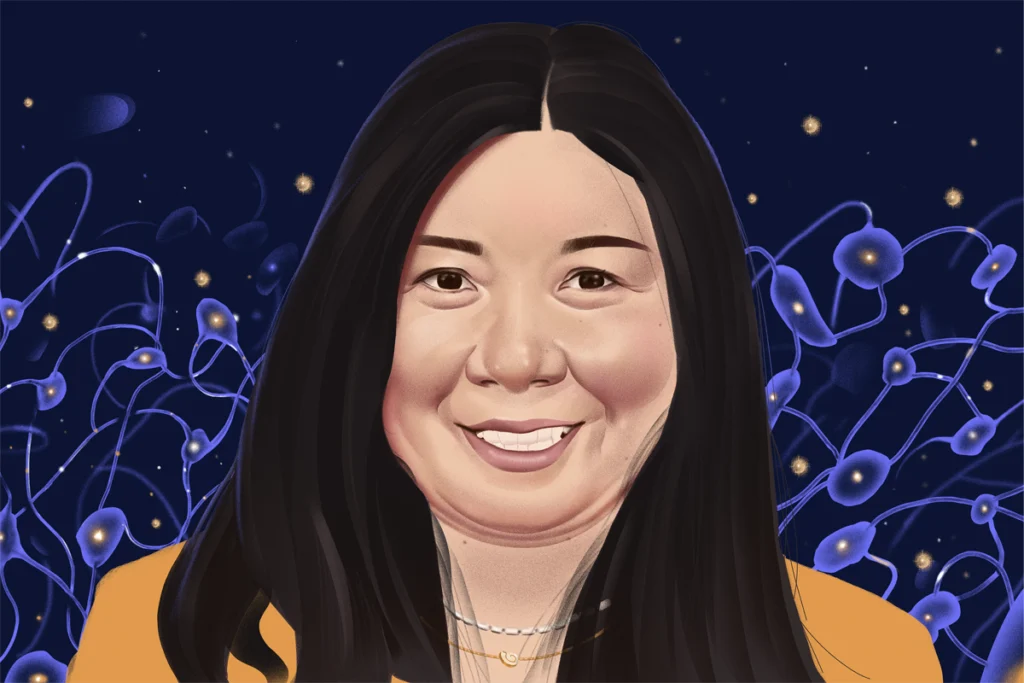
Biosensors and being fearless with Lin Tian
Tian discusses protein function and structure, and the historic city in China where she was born.
Biosensors and being fearless with Lin Tian
Tian discusses protein function and structure, and the historic city in China where she was born.
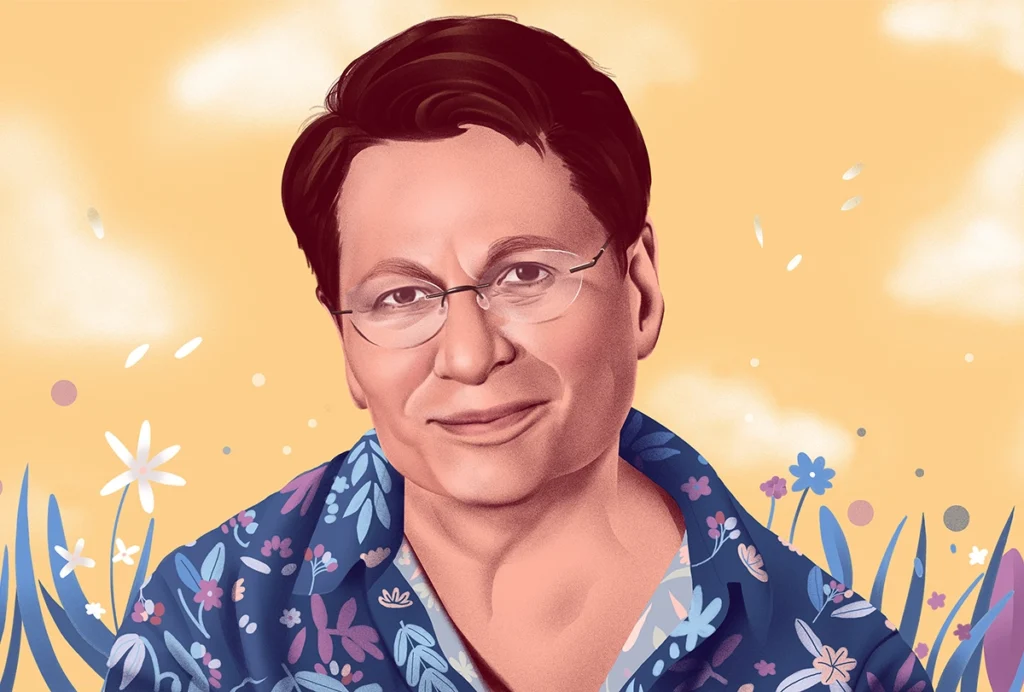
Male and female brains, Proust, and Catherine Dulac
The 2021 Breakthrough Prize winner explains how reading widely shaped her worldview, and discusses the vomeronasal organ.
Male and female brains, Proust, and Catherine Dulac
The 2021 Breakthrough Prize winner explains how reading widely shaped her worldview, and discusses the vomeronasal organ.
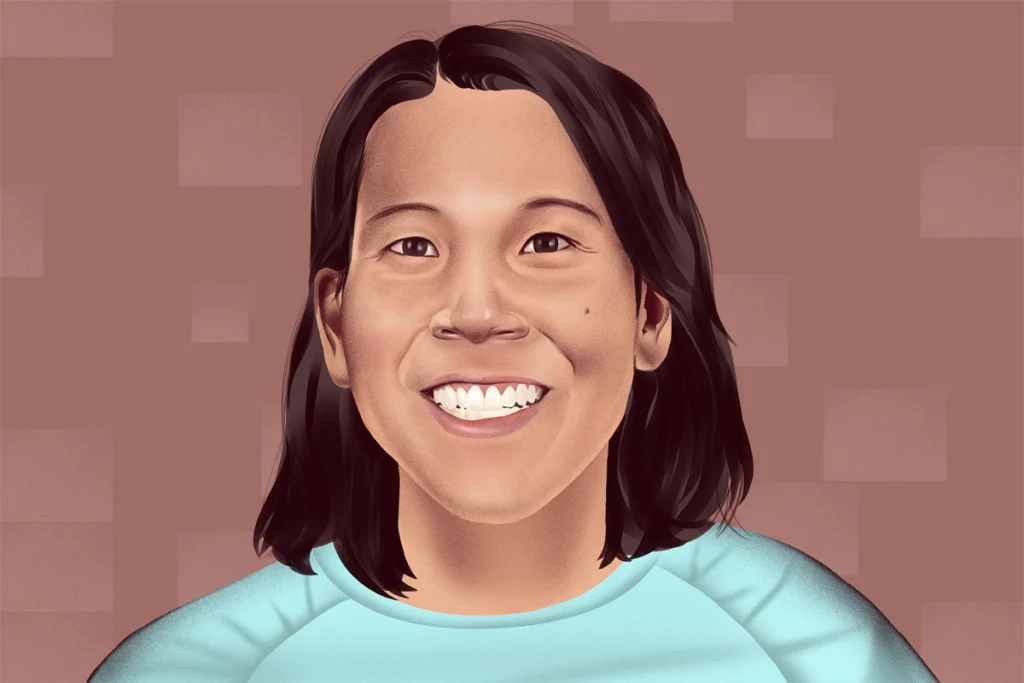
Diagnosing autism and teaching neurodiversity with So Hyun “Sophy” Kim
The Korea University professor on her path to autism research and studying in the United States.
Diagnosing autism and teaching neurodiversity with So Hyun “Sophy” Kim
The Korea University professor on her path to autism research and studying in the United States.
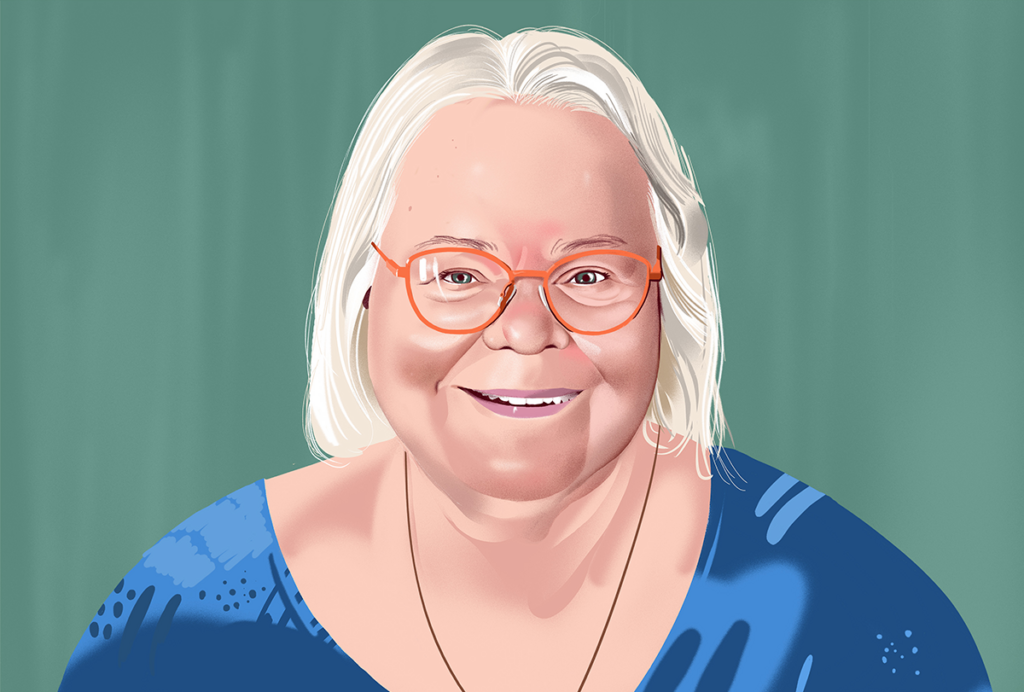
Eve Marder, neural circuits and being heard
The National Medal of Science winner explains why she built her career around the crustacean and what it was like attending high school in a Hudson River town.
Eve Marder, neural circuits and being heard
The National Medal of Science winner explains why she built her career around the crustacean and what it was like attending high school in a Hudson River town.
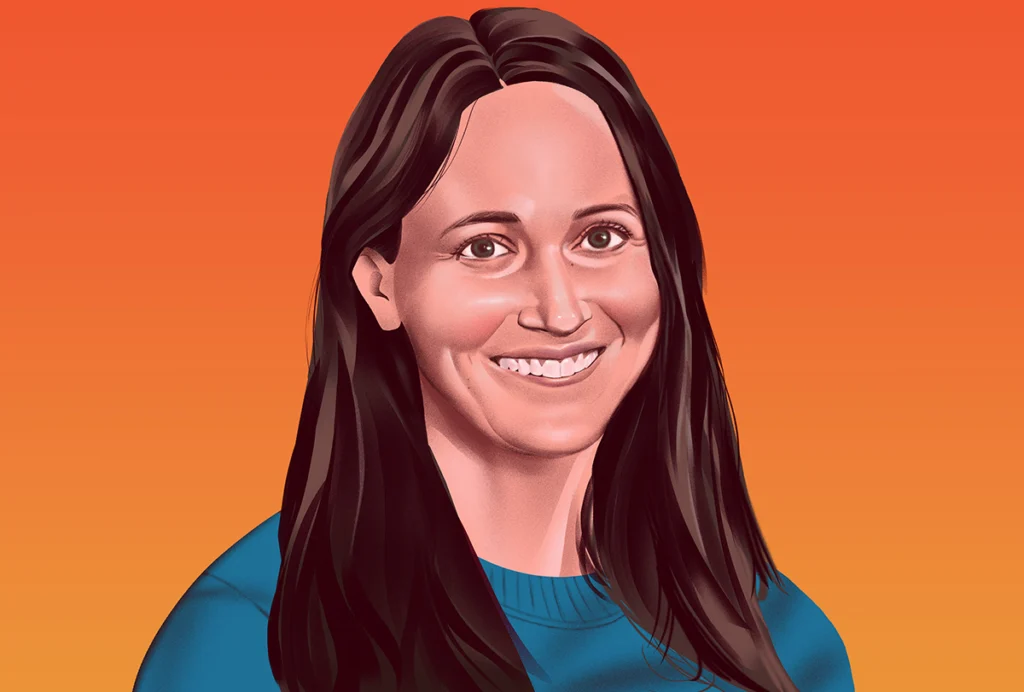
Brain connectivity and letting the data speak with Emily Finn
The Dartmouth College researcher talks about her quest to understand behavior and doing neuroscience “in the woods.”
Brain connectivity and letting the data speak with Emily Finn
The Dartmouth College researcher talks about her quest to understand behavior and doing neuroscience “in the woods.”
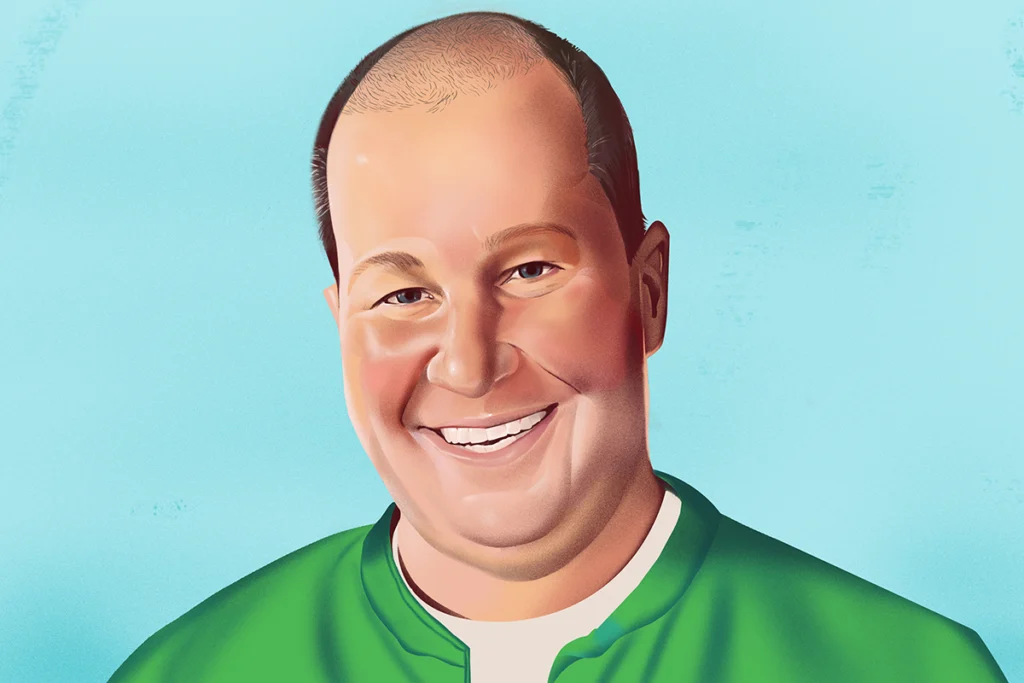
The value of math and spatial learning with Loren Frank
The Howard Hughes Medical Institute investigator discusses what drew him to study the brain and his current work at the University of California, San Francisco.
The value of math and spatial learning with Loren Frank
The Howard Hughes Medical Institute investigator discusses what drew him to study the brain and his current work at the University of California, San Francisco.
Explore more from The Transmitter
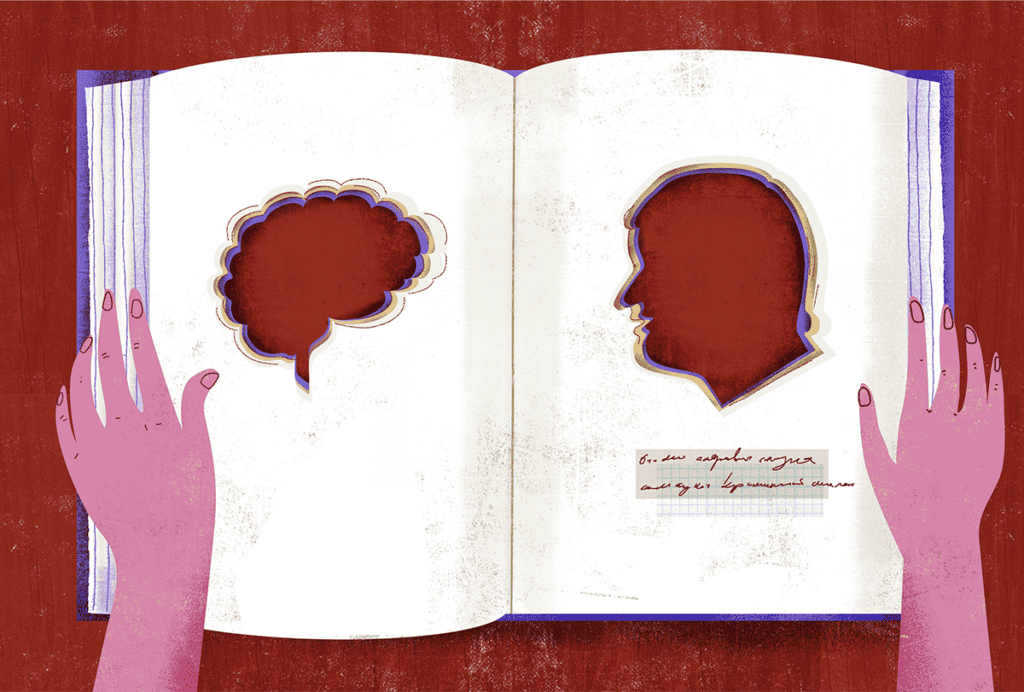
Preserving neuroscience history, one memoir at a time
Volume 14 of “The History of Neuroscience in Autobiography” was published this month. Series editors Larry Squire and Thomas Albright spoke with The Transmitter about how the volumes come together and why the two want to capture the personal side of the field.
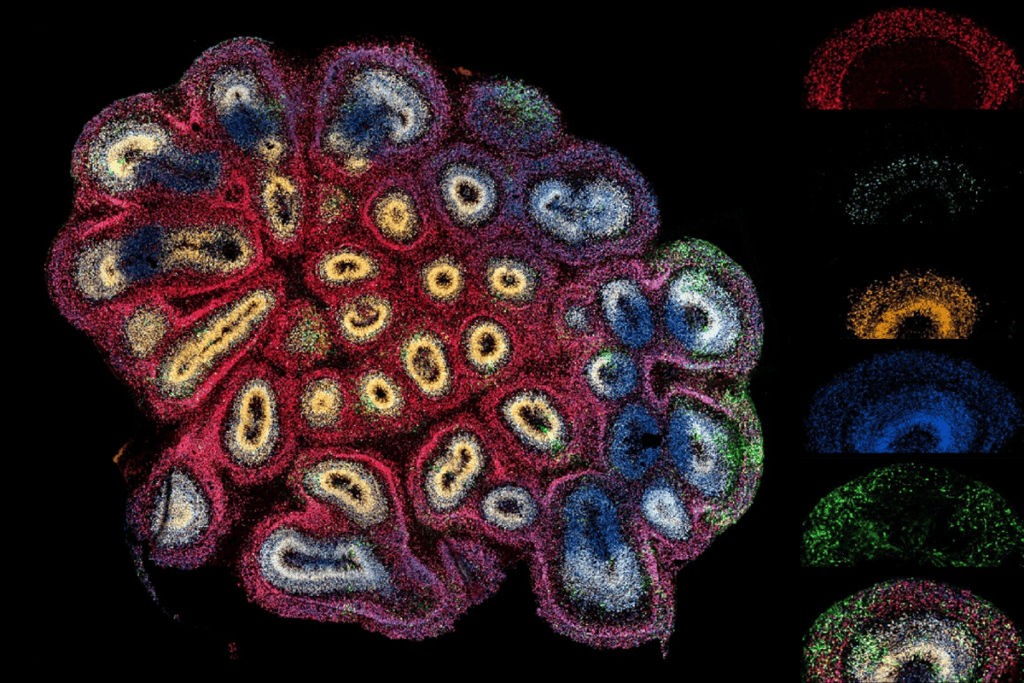
X chromosome gene may explain autism’s sex bias
“The field has been searching for this for a while,” says geneticist Donna Werling.
X chromosome gene may explain autism’s sex bias
“The field has been searching for this for a while,” says geneticist Donna Werling.
What do astrocytes do, and how can they be modeled?
Marja-Leena Linne discusses the emerging field of computational glioscience and describes how to model astrocytes’ effects on neuronal dynamics.
What do astrocytes do, and how can they be modeled?
Marja-Leena Linne discusses the emerging field of computational glioscience and describes how to model astrocytes’ effects on neuronal dynamics.