Sleep
Recent articles
When we sleep, our brain is filled with spontaneous neural activity. What is it doing?
Daniel Levenstein explains how internally generated brain activity during sleep shapes our cognition, and why NeuroAI is such a powerful approach to understanding the brain.
When we sleep, our brain is filled with spontaneous neural activity. What is it doing?
Daniel Levenstein explains how internally generated brain activity during sleep shapes our cognition, and why NeuroAI is such a powerful approach to understanding the brain.
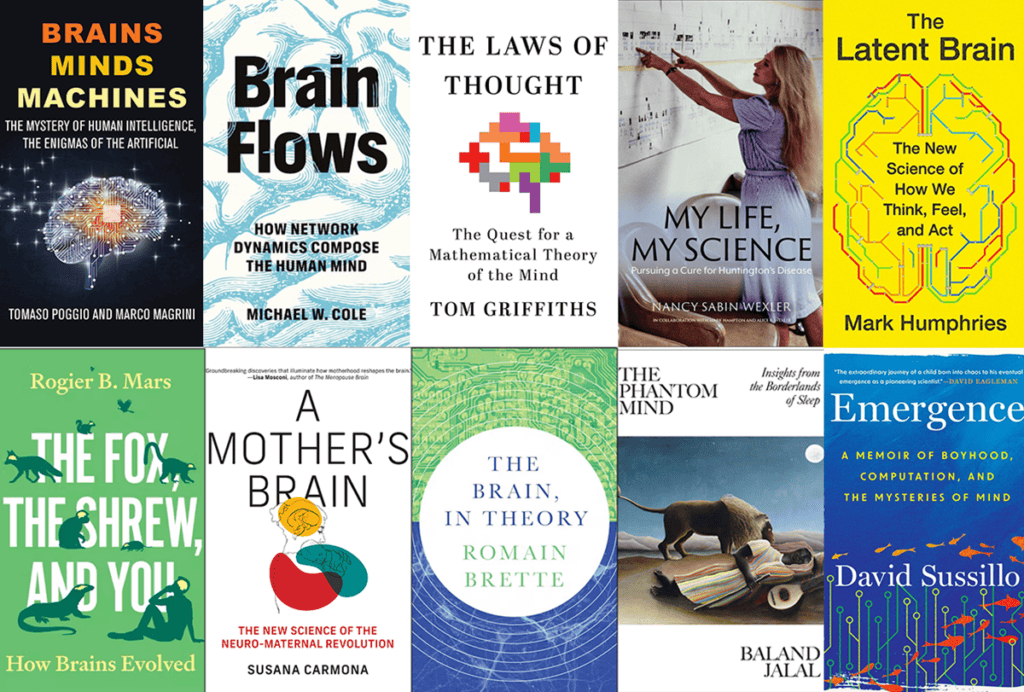
Five new neuroscience books, and other notable titles from 2026
The Transmitter’s summer reading list includes an autopsy of the Human Brain Project, an overview of the neuroscience of motherhood and a memoir from a pioneer in Huntington’s disease research.
Five new neuroscience books, and other notable titles from 2026
The Transmitter’s summer reading list includes an autopsy of the Human Brain Project, an overview of the neuroscience of motherhood and a memoir from a pioneer in Huntington’s disease research.
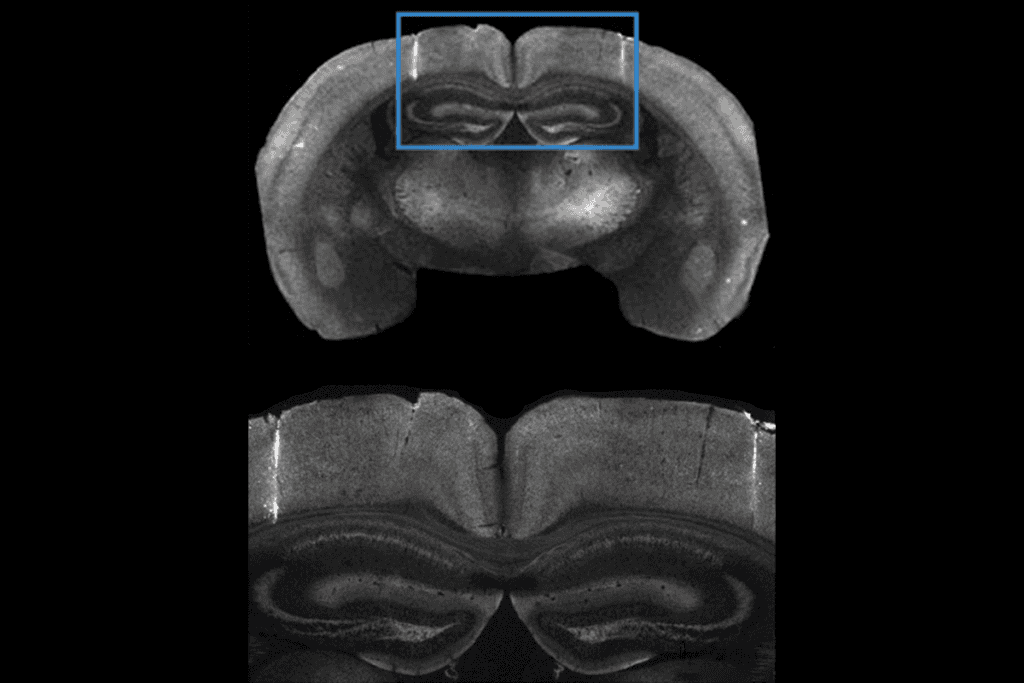
Making waves: Sleep-like brain activity in awake mice lowers sleep need, boosts memory
Alternating on/off firing patterns don’t just characterize deep, slow-wave sleep, they drive some of its restorative benefits, new findings suggest.
Making waves: Sleep-like brain activity in awake mice lowers sleep need, boosts memory
Alternating on/off firing patterns don’t just characterize deep, slow-wave sleep, they drive some of its restorative benefits, new findings suggest.
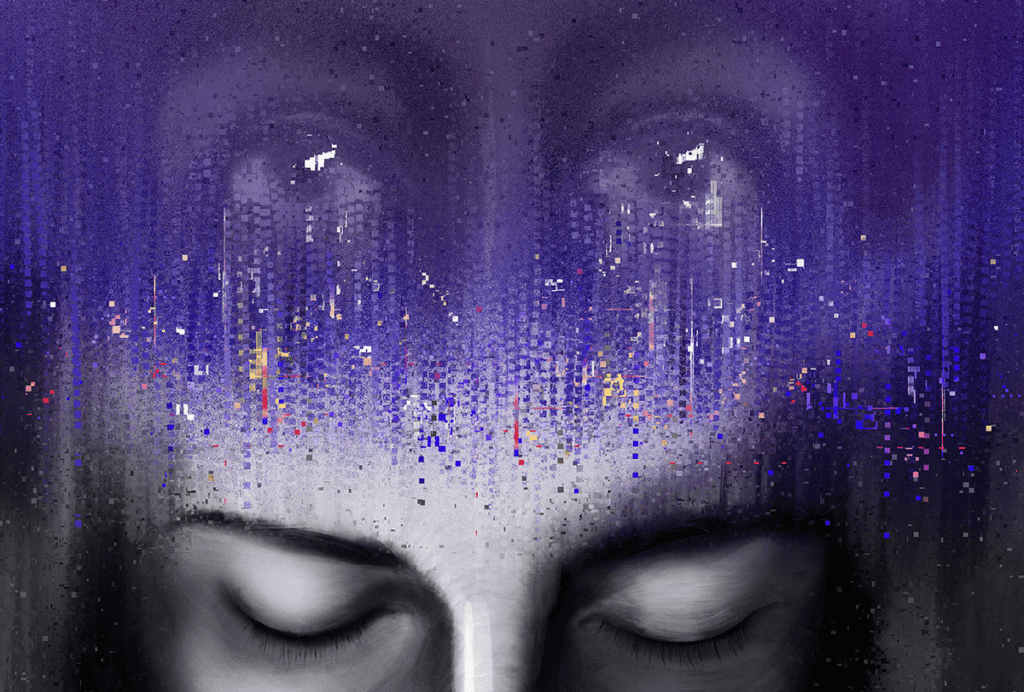
Watching the mind build a world: Lucid dreaming as a model for generative perception
Lucid dreaming offers a rare opportunity to observe and probe perception from within.
Watching the mind build a world: Lucid dreaming as a model for generative perception
Lucid dreaming offers a rare opportunity to observe and probe perception from within.
Snoozing dragons stir up ancient evidence of sleep’s dual nature
Deep-sleep cycling between brain waves of higher and lower amplitude dates far back on the evolutionary tree, according to a new comparative study of mammals and reptiles.
Snoozing dragons stir up ancient evidence of sleep’s dual nature
Deep-sleep cycling between brain waves of higher and lower amplitude dates far back on the evolutionary tree, according to a new comparative study of mammals and reptiles.
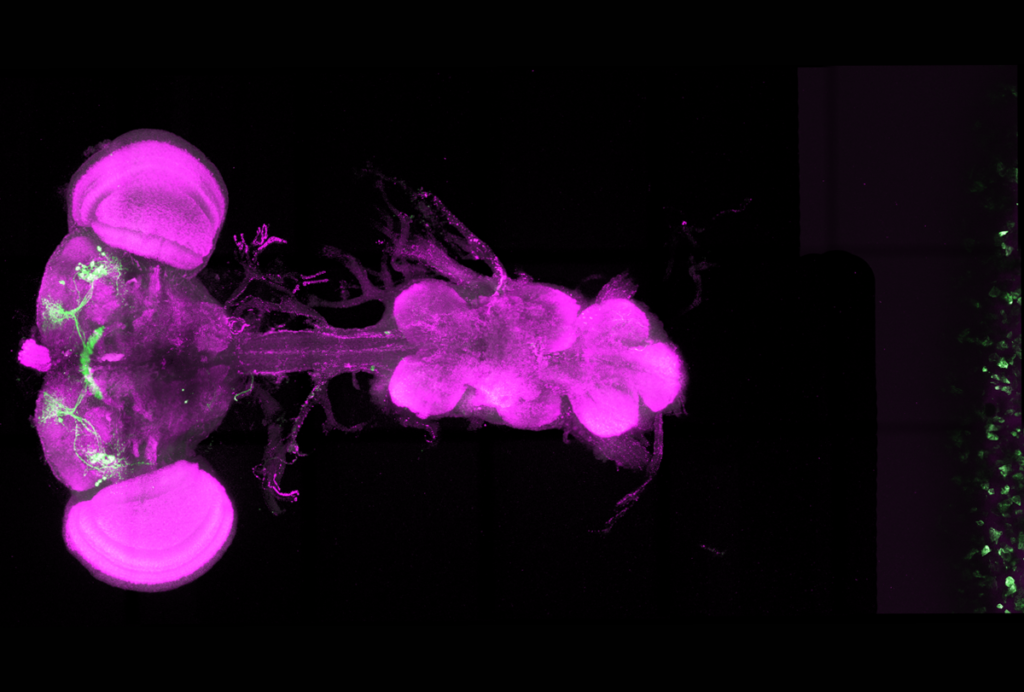
Mitochondria set ‘ancient’ metabolic thermostat for sleep in flies, separate from circadian rhythms
During waking hours, a specialized set of sleep neurons in the fly brain accumulates reactive oxygen species, which eventually trigger sleep to clean up and repair the damage they do.
Mitochondria set ‘ancient’ metabolic thermostat for sleep in flies, separate from circadian rhythms
During waking hours, a specialized set of sleep neurons in the fly brain accumulates reactive oxygen species, which eventually trigger sleep to clean up and repair the damage they do.
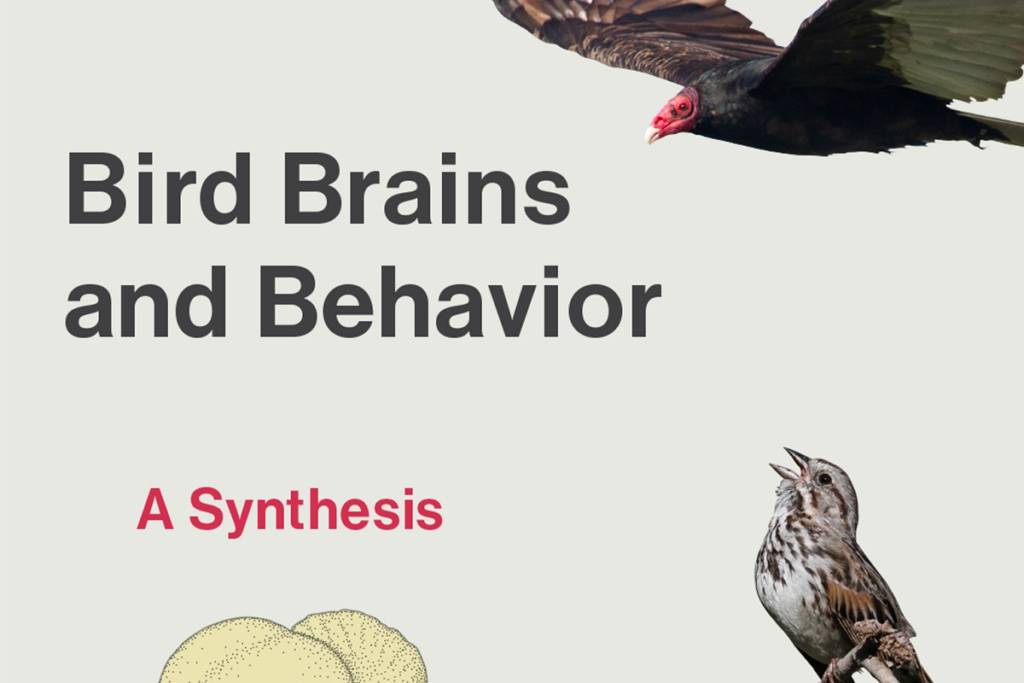
‘Bird Brains and Behavior,’ an excerpt
In their new book, published today, Georg Striedter and Andrew Iwaniuk dive deep into the latest research on the neural mechanisms of avian behavior. This excerpt from Chapter 2 explores how birds sleep.
‘Bird Brains and Behavior,’ an excerpt
In their new book, published today, Georg Striedter and Andrew Iwaniuk dive deep into the latest research on the neural mechanisms of avian behavior. This excerpt from Chapter 2 explores how birds sleep.
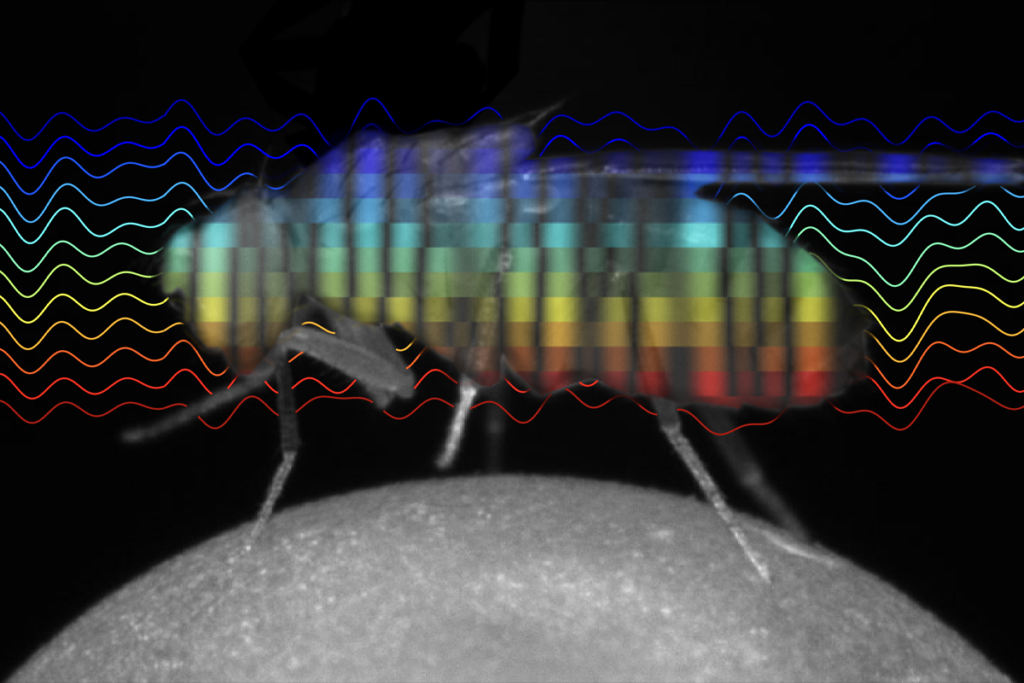
Drosophila, like vertebrates, filter sensory information during sleep
Predictive sensory processing in sleeping Drosophila echoes vertebrate research, establishing an evolutionarily conserved neural signature of sleep.
Drosophila, like vertebrates, filter sensory information during sleep
Predictive sensory processing in sleeping Drosophila echoes vertebrate research, establishing an evolutionarily conserved neural signature of sleep.
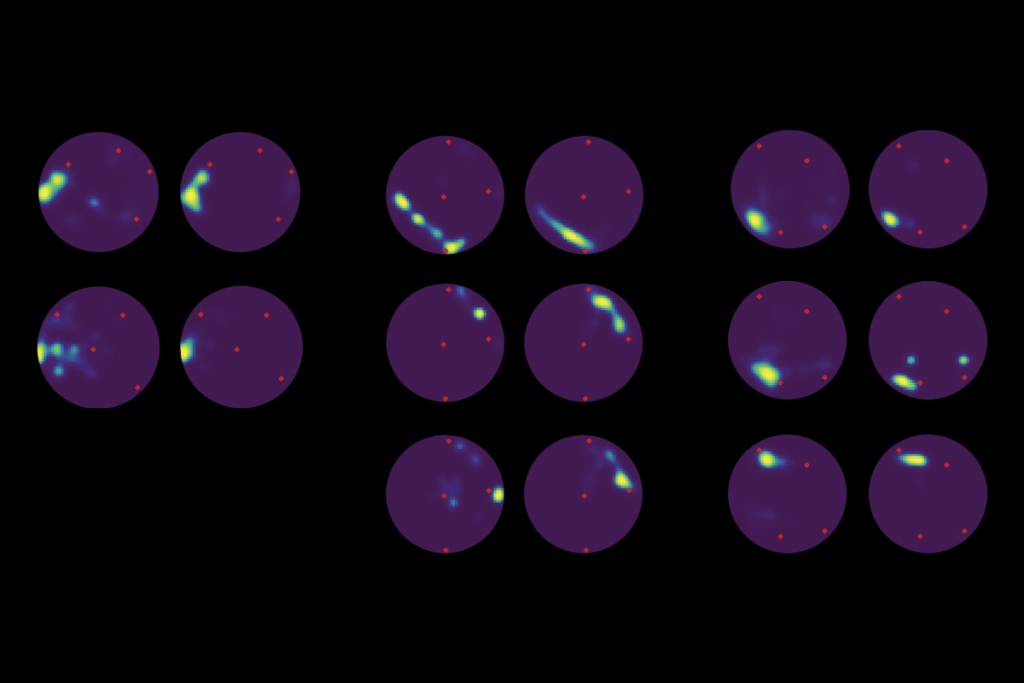
Sleep doesn’t just consolidate memories; it actively shapes them
The rapid eye movement (REM) phase preserves newly acquired memories, but deeper non-REM sleep helps to adapt and update them, according to “heroic” day-long electrode recordings in rats.
Sleep doesn’t just consolidate memories; it actively shapes them
The rapid eye movement (REM) phase preserves newly acquired memories, but deeper non-REM sleep helps to adapt and update them, according to “heroic” day-long electrode recordings in rats.
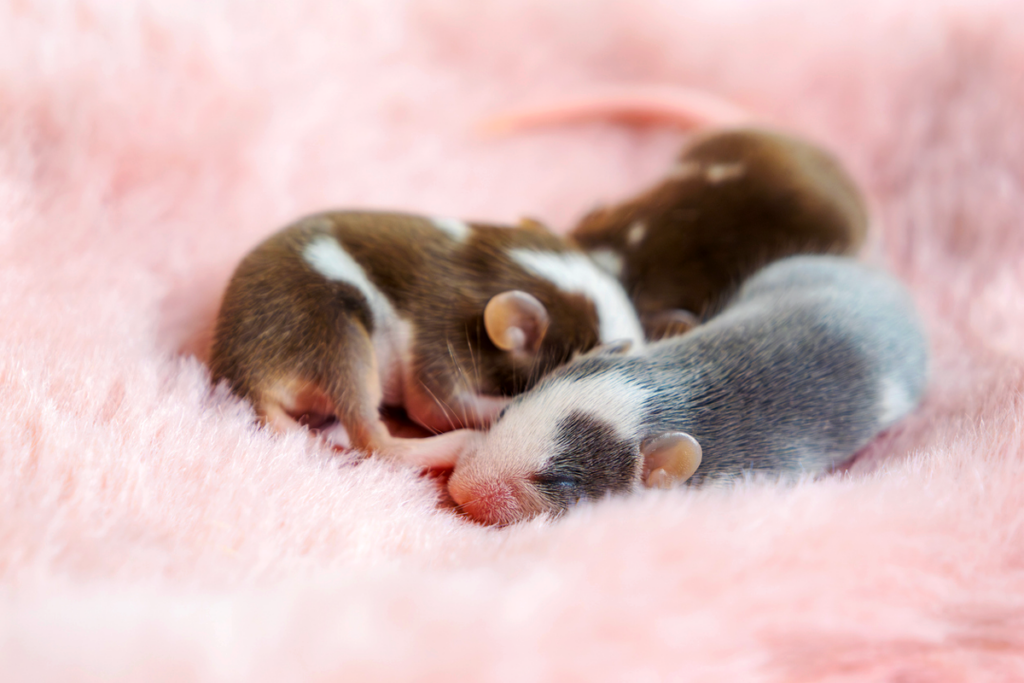
Fleeting sleep interruptions may help brain reset
Brief, seconds-long microarousals during deep sleep “ride on the wave” of locus coeruleus activity in mice and correlate with periods of waste clearing and memory consolidation, new research suggests.
Fleeting sleep interruptions may help brain reset
Brief, seconds-long microarousals during deep sleep “ride on the wave” of locus coeruleus activity in mice and correlate with periods of waste clearing and memory consolidation, new research suggests.
Explore more from The Transmitter
How new technologies can bring primatologists and systems neuroscientists together
The two groups study the same behavioral phenomena yet rarely interact or read each other's work—a mutual blind spot that weakens both fields. New technologies offer a chance to bring them together.
How new technologies can bring primatologists and systems neuroscientists together
The two groups study the same behavioral phenomena yet rarely interact or read each other's work—a mutual blind spot that weakens both fields. New technologies offer a chance to bring them together.

Creating community through grant support
Fiona Sanderson, a senior program manager at the Brain Canada Foundation, shares how she got into grant administration and how she helps connect researchers with funding and one another.
Creating community through grant support
Fiona Sanderson, a senior program manager at the Brain Canada Foundation, shares how she got into grant administration and how she helps connect researchers with funding and one another.

This paper changed my life: A first glimpse into the ‘middle’ of brain processing
Work by Jeffrey Moran and Robert Desimone showed that monkeys could focus their attention on different stimuli in their visual field without shifting their gaze. Their work marked a key milestone in the emergence of cognitive neuroscience.
This paper changed my life: A first glimpse into the ‘middle’ of brain processing
Work by Jeffrey Moran and Robert Desimone showed that monkeys could focus their attention on different stimuli in their visual field without shifting their gaze. Their work marked a key milestone in the emergence of cognitive neuroscience.