Risperidone
Recent articles
Q&A with W. David Lohr: Antipsychotics, polypharmacy among autistic preschoolers
Hundreds of preschool-aged children in Kentucky began taking antipsychotic medicines in 2012, according to an analysis of Medicaid records. Lohr discusses what it will it take to get them behavioral therapies instead.
Q&A with W. David Lohr: Antipsychotics, polypharmacy among autistic preschoolers
Hundreds of preschool-aged children in Kentucky began taking antipsychotic medicines in 2012, according to an analysis of Medicaid records. Lohr discusses what it will it take to get them behavioral therapies instead.

Prenatal exposure to antipsychotic medication does not increase odds of autism, ADHD
Children born to mothers who take antipsychotic drugs during pregnancy are not more likely to have autism or attention deficit hyperactivity disorder, or to be born preterm or underweight.
Prenatal exposure to antipsychotic medication does not increase odds of autism, ADHD
Children born to mothers who take antipsychotic drugs during pregnancy are not more likely to have autism or attention deficit hyperactivity disorder, or to be born preterm or underweight.
Q&A with Eric Hollander: Cannabis treatments for autism
As cannabis prohibition slowly lifts in the United States, scientists and families in the autism community are increasingly turning to the drug and its constituent compounds to ease autism-related difficulties, including seizures and irritability.
Q&A with Eric Hollander: Cannabis treatments for autism
As cannabis prohibition slowly lifts in the United States, scientists and families in the autism community are increasingly turning to the drug and its constituent compounds to ease autism-related difficulties, including seizures and irritability.
How aripiprazole’s promise for treating autism fell short
Aripiprazole, marketed as Abilify, is widely thought to be safer than risperidone, the only other drug approved for use in autistic children. A decade’s worth of data suggests that is not true.
How aripiprazole’s promise for treating autism fell short
Aripiprazole, marketed as Abilify, is widely thought to be safer than risperidone, the only other drug approved for use in autistic children. A decade’s worth of data suggests that is not true.

Medical ‘home’ programs offer coordinated care for autistic people
A Utah program provides comprehensive care for autistic people across the lifespan and engages families in the decision-making.
Medical ‘home’ programs offer coordinated care for autistic people
A Utah program provides comprehensive care for autistic people across the lifespan and engages families in the decision-making.
Clinicians should consider off-label treatments for autism
Clinicians need a more consistent and evidence-based approach to prescribing antipsychotics to children and adolescents with autism.
Clinicians should consider off-label treatments for autism
Clinicians need a more consistent and evidence-based approach to prescribing antipsychotics to children and adolescents with autism.
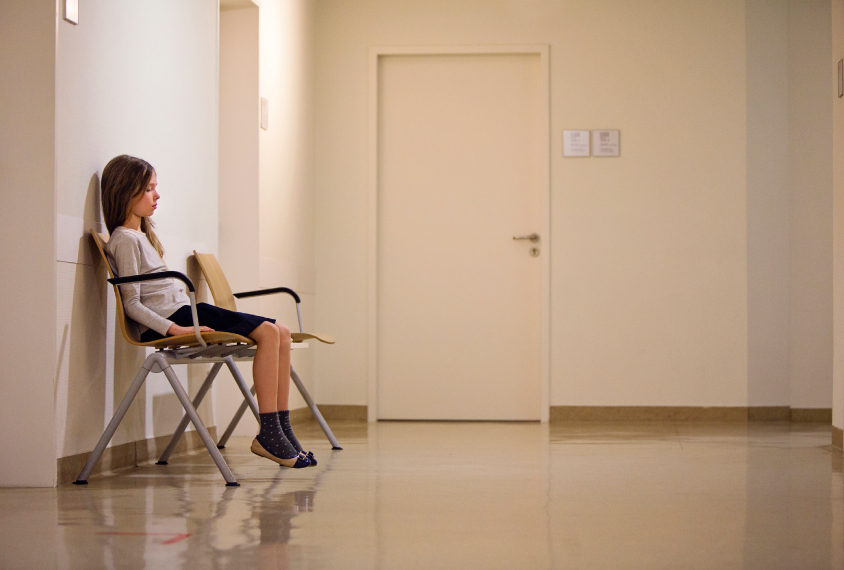
Psychotropic drugs frequently prescribed for autistic people
About one in three autistic people in the United Kingdom is prescribed drugs designed to alter brain function.
Psychotropic drugs frequently prescribed for autistic people
About one in three autistic people in the United Kingdom is prescribed drugs designed to alter brain function.

Revelando los secretos del síndrome X frágil en Colombia
Una remota ciudad colombiana es el hogar del grupo más grande de personas con síndrome de X frágil. Los científicos están aprendiendo de ellos y tratando de ayudar.
Revelando los secretos del síndrome X frágil en Colombia
Una remota ciudad colombiana es el hogar del grupo más grande de personas con síndrome de X frágil. Los científicos están aprendiendo de ellos y tratando de ayudar.

Unlocking the secrets of fragile X in Colombia
A remote Colombian town is home to the world's largest cluster of people with fragile X syndrome. Scientists are learning from them — and trying to help.
Unlocking the secrets of fragile X in Colombia
A remote Colombian town is home to the world's largest cluster of people with fragile X syndrome. Scientists are learning from them — and trying to help.
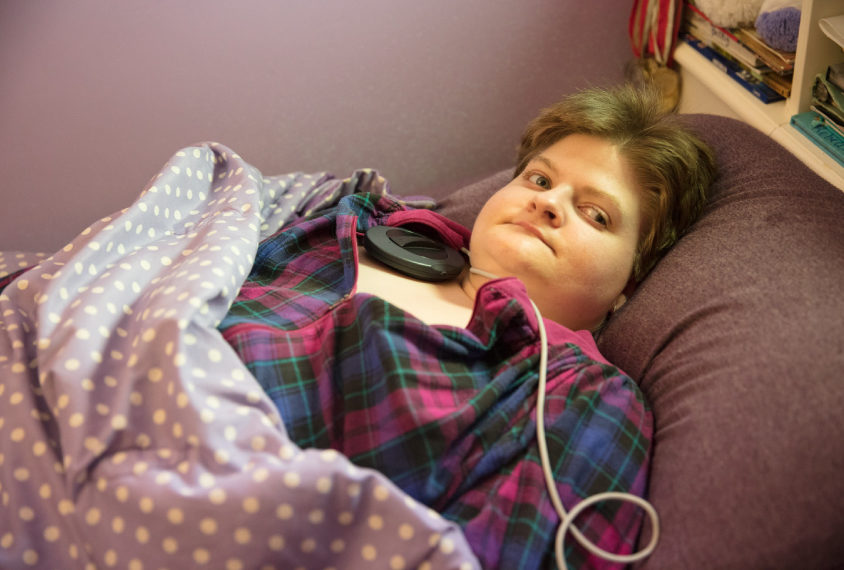
Rebooting Becky’s brain
An electrical brain implant all but erased the obsessions that had consumed Becky Audette, years after her autism diagnosis. Could similar implants help other people with severe autism?
Rebooting Becky’s brain
An electrical brain implant all but erased the obsessions that had consumed Becky Audette, years after her autism diagnosis. Could similar implants help other people with severe autism?
Explore more from The Transmitter
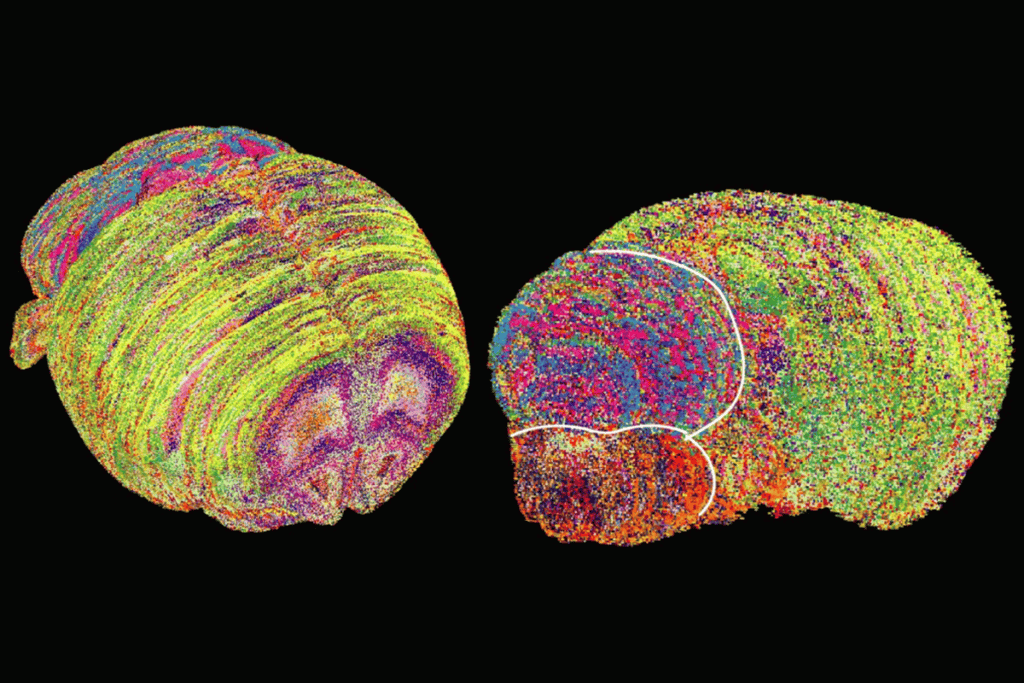
Lipids enter brain mapping limelight
Two new studies, including the first whole-brain lipid atlas in mice, uncover unforeseen complexity and influence during pregnancy and aging.
Lipids enter brain mapping limelight
Two new studies, including the first whole-brain lipid atlas in mice, uncover unforeseen complexity and influence during pregnancy and aging.
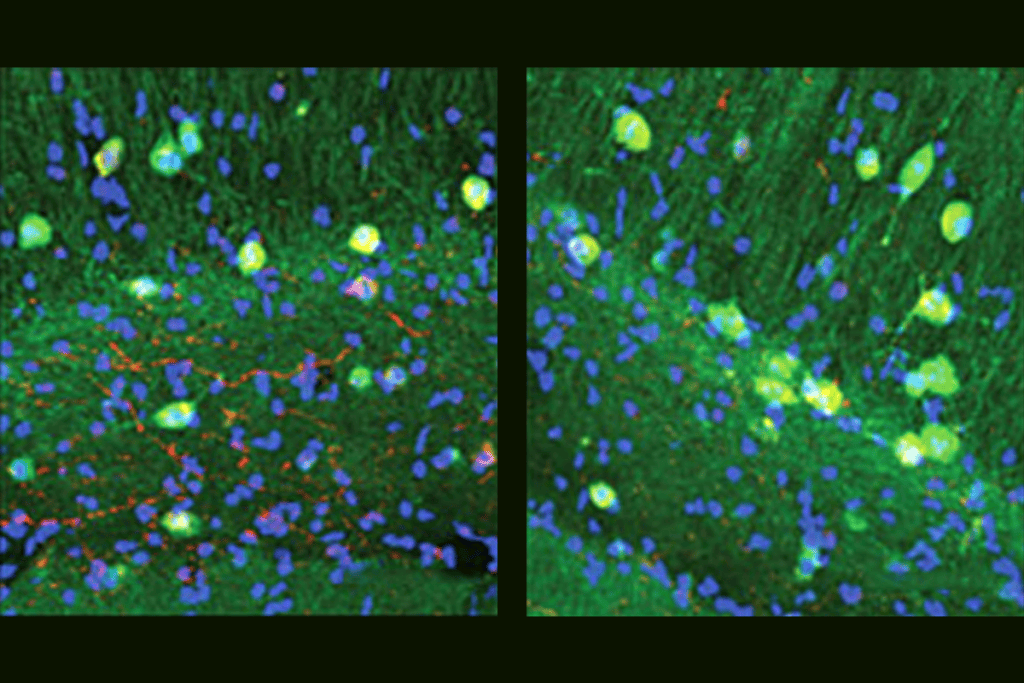
Behavioral phenomics in zebrafish; and more
Here is a roundup of autism-related news and research spotted around the web for the week of 26 October.
Behavioral phenomics in zebrafish; and more
Here is a roundup of autism-related news and research spotted around the web for the week of 26 October.

Neuroscience gave AI its start. What happens now?
David Sussillo maps the two fields' divergent paths, and where they might still meet.
Neuroscience gave AI its start. What happens now?
David Sussillo maps the two fields' divergent paths, and where they might still meet.