Asperger syndrome
Recent articles
DSM-5 revision tweaks autism entry for clarity
Two new words and a text swap in the American Psychiatric Association’s diagnostic “bible” are unlikely to affect clinical practice, experts say.
DSM-5 revision tweaks autism entry for clarity
Two new words and a text swap in the American Psychiatric Association’s diagnostic “bible” are unlikely to affect clinical practice, experts say.

Autism behind bars
Prisons are often ill-equipped to handle autistic inmates, who are at risk for mental health problems and abuse.
Autism behind bars
Prisons are often ill-equipped to handle autistic inmates, who are at risk for mental health problems and abuse.
How the loss of Asperger syndrome has lasting repercussions
Some people who have lost the diagnosis of Asperger syndrome say they feel a loss of identity and worry about a loss of services.
How the loss of Asperger syndrome has lasting repercussions
Some people who have lost the diagnosis of Asperger syndrome say they feel a loss of identity and worry about a loss of services.
In case you missed it: Five Spectrum stories from 2018
Spectrum's editors chose five stories from 2018 you may have missed the first time around.
In case you missed it: Five Spectrum stories from 2018
Spectrum's editors chose five stories from 2018 you may have missed the first time around.
Why adults need an easier path to autism diagnosis
Getting an autism diagnosis can be difficult for many adults, due to the dearth of reliable tests, high costs and bureaucracy.
Why adults need an easier path to autism diagnosis
Getting an autism diagnosis can be difficult for many adults, due to the dearth of reliable tests, high costs and bureaucracy.
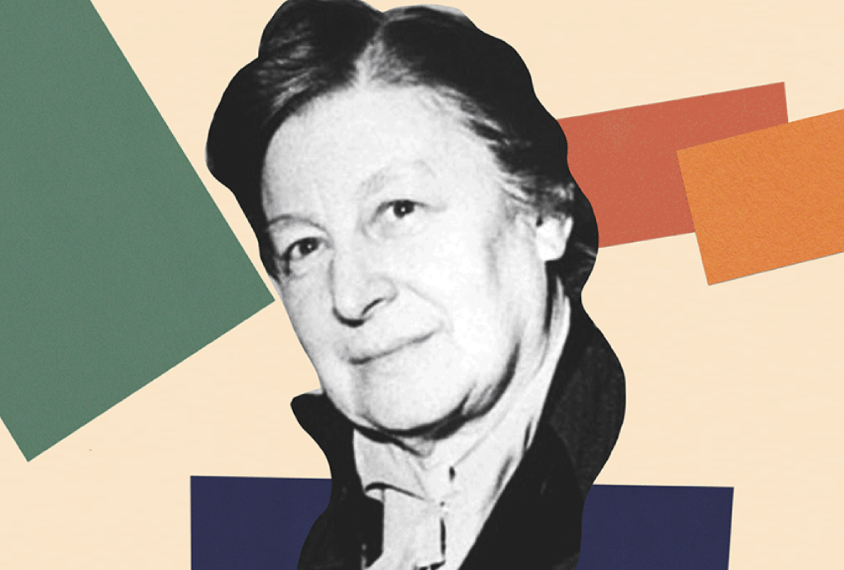
How history forgot the woman who defined autism
Grunya Sukhareva characterized autism nearly two decades before Austrian doctors Leo Kanner and Hans Asperger. So why did the latter get all the credit?
How history forgot the woman who defined autism
Grunya Sukhareva characterized autism nearly two decades before Austrian doctors Leo Kanner and Hans Asperger. So why did the latter get all the credit?
Organoid assortment; transgenerational effect; baby translator and more
Researchers can enjoy a complete collection of organoid-related publications, transgenerational effects on the brain are tied to a powerful estrogen, and an app that translates infant cries might aid autism research.
Organoid assortment; transgenerational effect; baby translator and more
Researchers can enjoy a complete collection of organoid-related publications, transgenerational effects on the brain are tied to a powerful estrogen, and an app that translates infant cries might aid autism research.
Narrowing of ‘autism’ in DSM-5 runs counter to idea of broad spectrum
The strict definition of autism in the latest version of the diagnostic manual is antithetical to the idea that autism comes in a wide variety of forms.
Narrowing of ‘autism’ in DSM-5 runs counter to idea of broad spectrum
The strict definition of autism in the latest version of the diagnostic manual is antithetical to the idea that autism comes in a wide variety of forms.
The evolution of ‘autism’ as a diagnosis, explained
From a form of childhood schizophrenia to a spectrum of conditions, the characterization of autism in diagnostic manuals has a complicated history.
The evolution of ‘autism’ as a diagnosis, explained
From a form of childhood schizophrenia to a spectrum of conditions, the characterization of autism in diagnostic manuals has a complicated history.
Few people mourn Asperger syndrome’s loss from diagnostic manuals
Our concept of autism has evolved over the past 20 years, rendering redundant the diagnostic labels of Asperger syndrome and pervasive developmental disorder-not otherwise specified.
Few people mourn Asperger syndrome’s loss from diagnostic manuals
Our concept of autism has evolved over the past 20 years, rendering redundant the diagnostic labels of Asperger syndrome and pervasive developmental disorder-not otherwise specified.
Explore more from The Transmitter
Is it time for neuroscience to shift its focus from a computational mind to a navigating mind?
Andrea Hiott explains her navigational approach to the mind, and why now is the time to embrace seemingly paradoxical findings in neuroscience.
Is it time for neuroscience to shift its focus from a computational mind to a navigating mind?
Andrea Hiott explains her navigational approach to the mind, and why now is the time to embrace seemingly paradoxical findings in neuroscience.
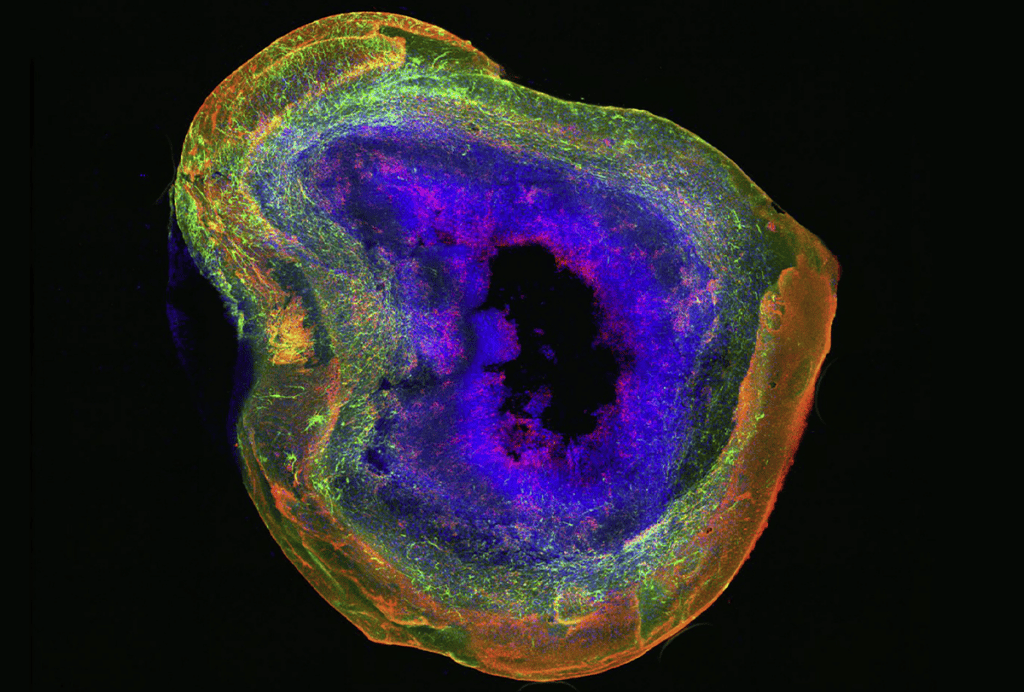
Human brain organoids come of age—but still have room to grow
The U.S. government has touted organoids as an alternative to animals for studying the brain. The model has improved since its debut in 2013, but scientists are still working to overcome key limitations: immaturity, consistency and the lack of vascularization.
Finding neuroheterogeneity’s sweet spot
Once thought to be detrimental to memory processing, neuronal diversity—at the right ‘Goldilocks’ dose—is a new boon to theoretical neuroscience.
Finding neuroheterogeneity’s sweet spot
Once thought to be detrimental to memory processing, neuronal diversity—at the right ‘Goldilocks’ dose—is a new boon to theoretical neuroscience.