Podcasts
When autistic kids grow up
An autistic researcher’s paper called attention to a huge disparity in autism funding research between children and adults. It nearly derailed her life.
Recent Episodes:
When autistic kids grow up, Chapter 5: The war dial
“You have to reshape the whole system.” Tempest McDonald earns a measure of peace.
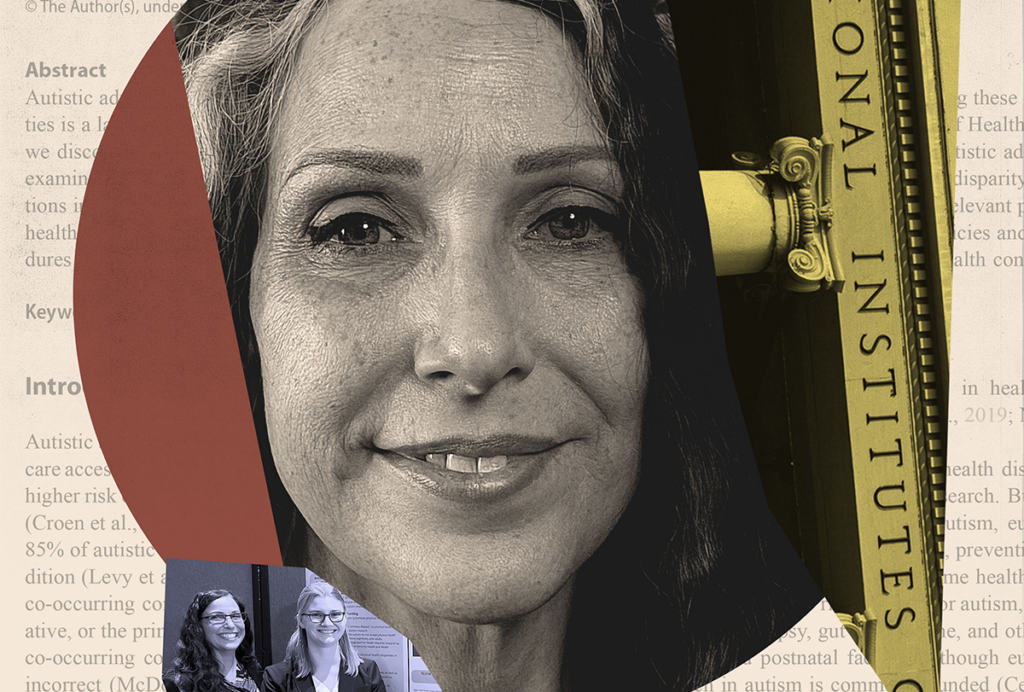
When autistic kids grow up, Chapter 4: How did things unfold?
Tempest McDonald sues Vanderbilt University Medical Center through the Equal Employment Opportunity Commission. Her published NIH paper finds allies.
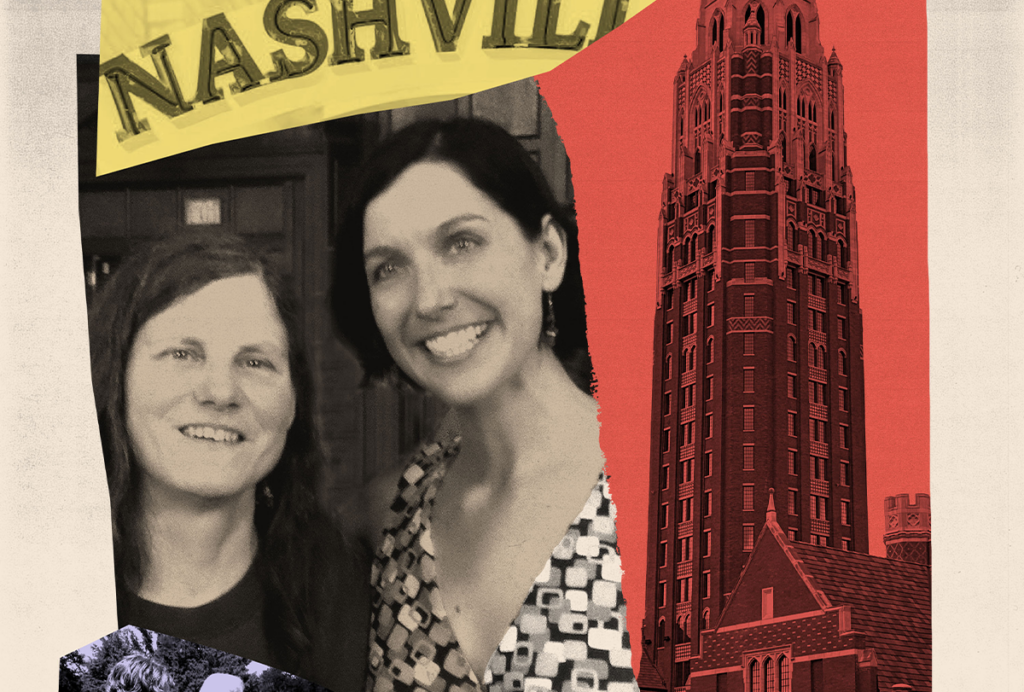
When autistic kids grow up, Chapter 3: Would there be data?
Tempest McDonald takes a postdoctoral position at Vanderbilt University. Researching her paper accusing the National Institutes of Health of discrimination threatens everything she has built.
Brain Inspired
A podcast where neuroscience and AI converge. Hosted by Paul Middlebrooks.
Recent Episodes:
Is it time for neuroscience to shift its focus from a computational mind to a navigating mind?
Andrea Hiott explains her navigational approach to the mind, and why now is the time to embrace seemingly paradoxical findings in neuroscience.
How does a control theorist explain cognition?
Maxim Raginsky draws on control theory, engineering and philosophy to explore what makes biological brains intelligent, what artificial intelligence is missing, and what principles underlie biological autonomy.
What if Hegel were a neuroscientist?
Andrea Gambarotto shares what Hegel and enactivism have in common: an agency-first approach to understanding minds and brains.
Theoretical Neuroscience
The Theoretical Neuroscience podcast focuses on topics in theoretical and computational neuroscience and is primarily aimed at students and researchers in the field.
Recent Episodes:
How neuromorphic computing could improve AI
Mihai Petrovici explains what neuromorphic computing is and how it can speed up and reduce energy consumption in artificial intelligence and brain simulations.
How energy determines where proteins are produced in neurons
Tatjana Tchumatchenko explains how mathematical modeling elucidates whether ion-channel proteins are produced locally in the soma or in the dendrites.
Audio research news
Your latest update from The Transmitter.
Recent Episodes:
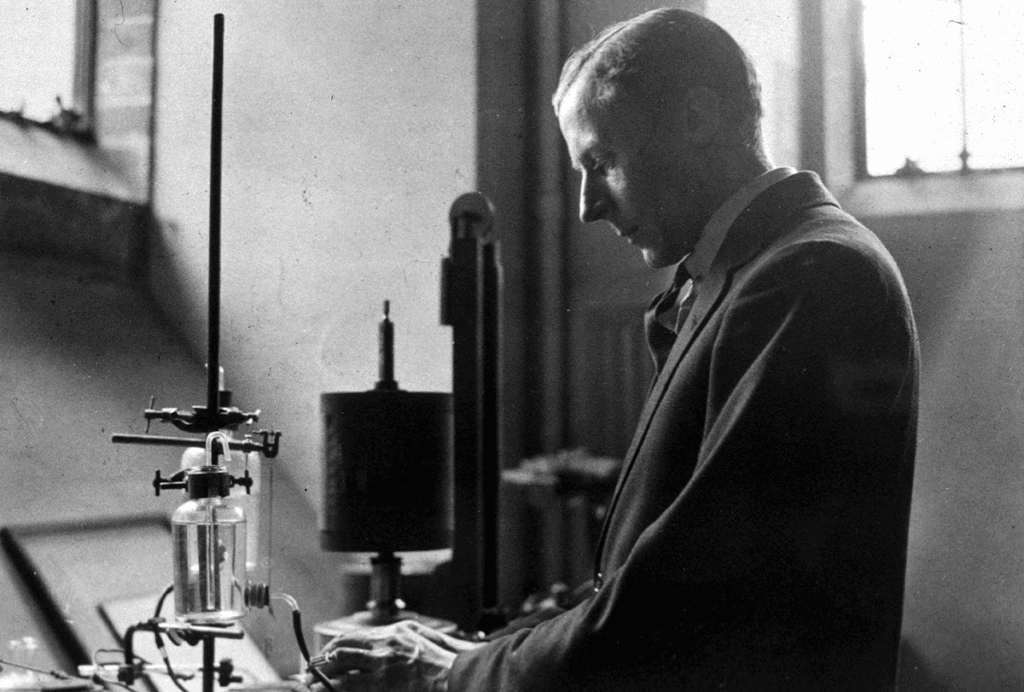
The neural code at 100
In two 1926 articles, Edgar Douglas Adrian revealed that neurons communicate through trains of spikes.
What AI can learn from hunger
To enhance AI safety, take a lesson from biological brains; a small set of wants maintains durable control over a much larger cognitive system.
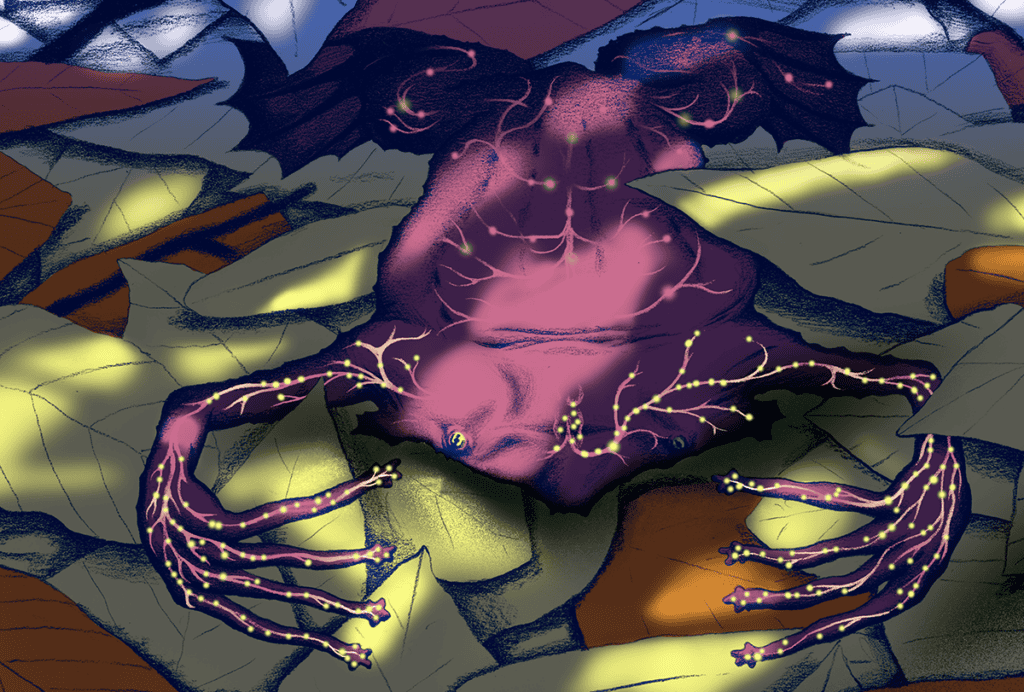
How the pipa frog hunts prey by touch
Each of the frog’s eight fingers branches into 16 ultra-sensitive tips, which together function as a fovea—potentially the first demonstration of this type of sensory structure outside of mammals.
Synaptic
Exploring the people, the science and the challenges in neuroscience.
Recent Episodes:
When autistic kids grow up
An autistic researcher’s paper called attention to a huge disparity in autism funding research between children and adults. It nearly derailed her life.
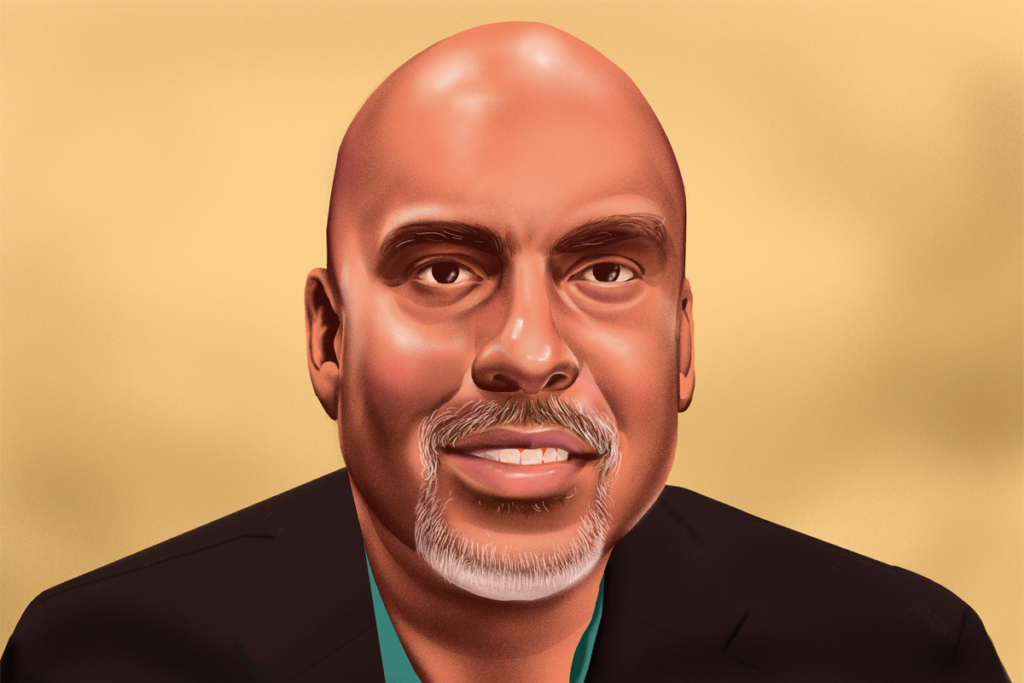
Stimulating the brain with Damien Fair
The MacArthur Foundation “genius” discusses his return to his home state of Minnesota and why it’s important to protect the developing brain.
Season 2 of ‘Synaptic’ draws to a close
Season 3 will begin next year.
The Transmitter stories
Stories about developments in neuroscience.
Recent Episodes:
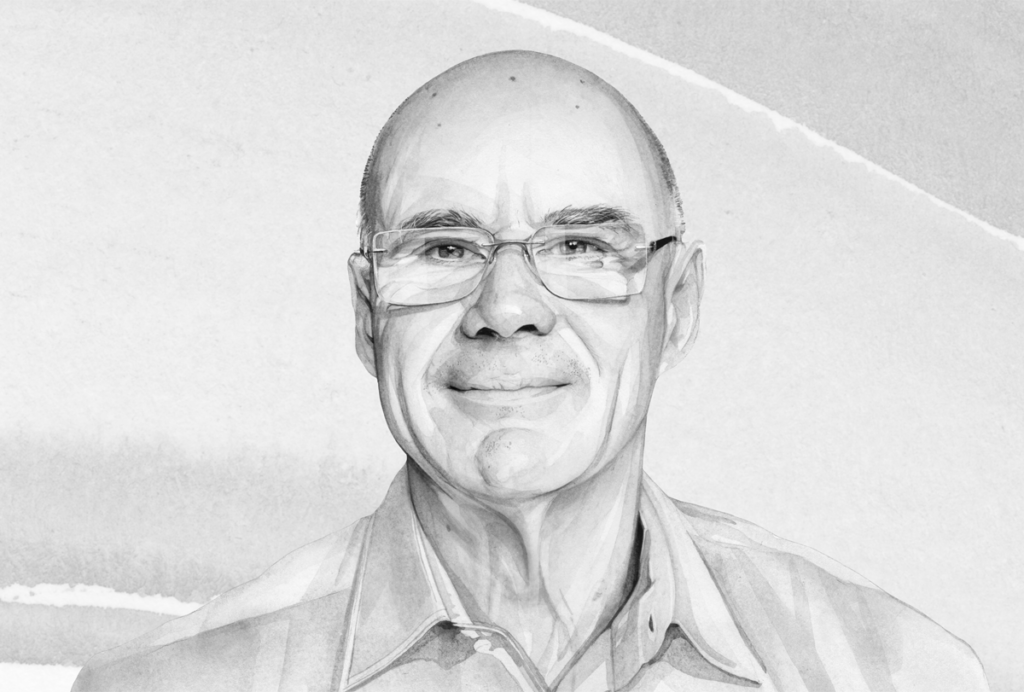
‘Emergent and transactional’: How Jonathan Green is rethinking autism and interventions
The experienced clinician discusses writing his recent paper, and its reception in the field.
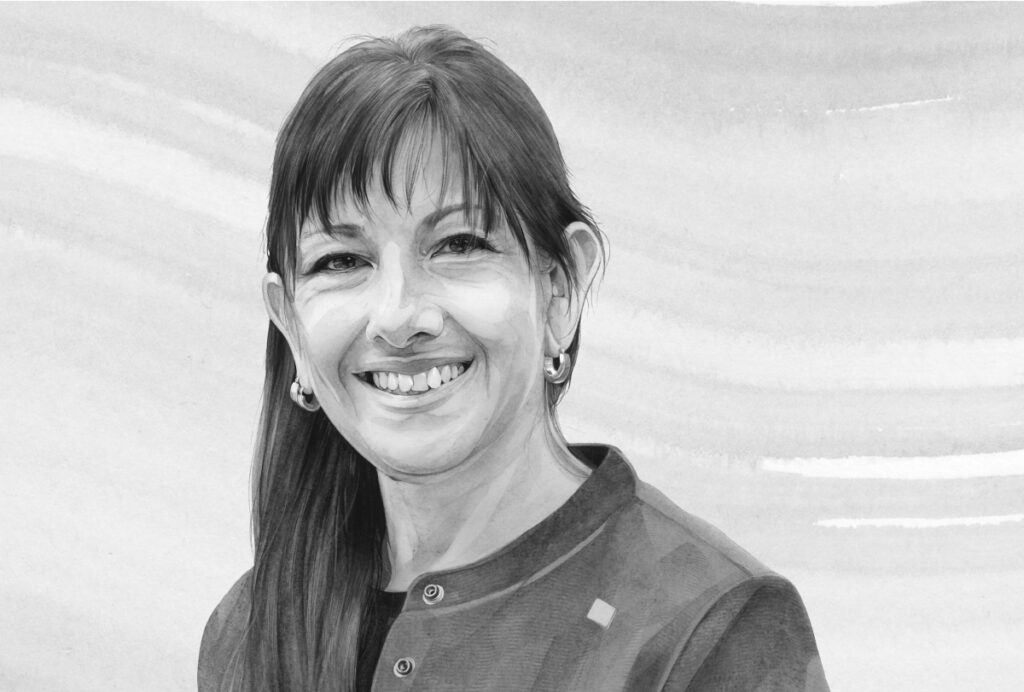
The story of autism research in Australia: A conversation with Cheryl Dissanayake
With the help of a generous benefactor, autism research in Australia is gathering critical mass.
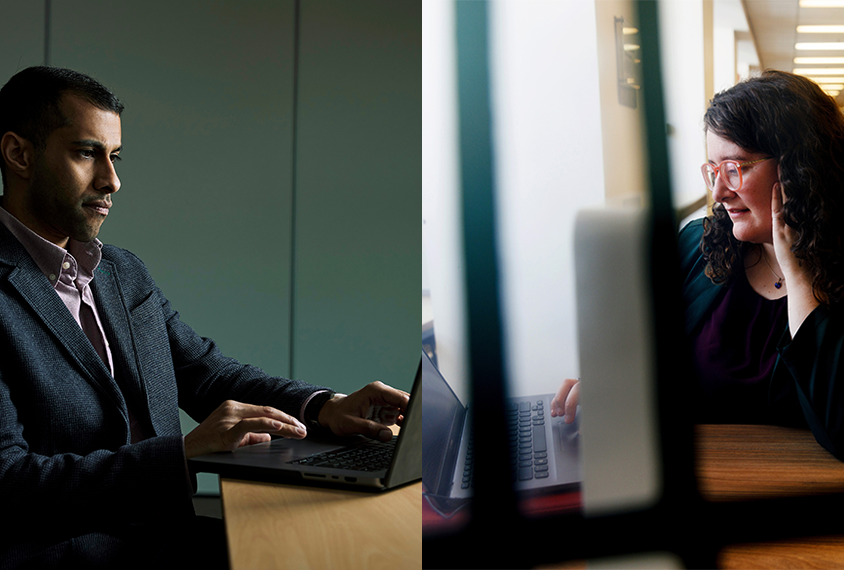
New journals seek to fill neurodiversity gap
The two journals, although differing in initial support, both realized the need for a publication focused exclusively on the neurodiverse experience.