PMDSF 2012
Recent articles
In Phelan-McDermid, motor neurons show irregularities
Motor neurons derived from individuals with Phelan-McDermid syndrome, a rare autism-related disorder, form abnormal connections with muscle cells. The unpublished research was presented 26 July at a meeting of the Phelan-McDermid Syndrome Foundation in Orlando.
In Phelan-McDermid, motor neurons show irregularities
Motor neurons derived from individuals with Phelan-McDermid syndrome, a rare autism-related disorder, form abnormal connections with muscle cells. The unpublished research was presented 26 July at a meeting of the Phelan-McDermid Syndrome Foundation in Orlando.
Scientists track adult regression in autism-related syndrome
Several scientists at the Phelan-McDermid Syndrome Foundation's annual meeting focused on the wide range of symptoms, including a sudden loss of motor and cognitive skills, that seem to crop up in adults with the disorder.
Scientists track adult regression in autism-related syndrome
Several scientists at the Phelan-McDermid Syndrome Foundation's annual meeting focused on the wide range of symptoms, including a sudden loss of motor and cognitive skills, that seem to crop up in adults with the disorder.
Explore more from The Transmitter
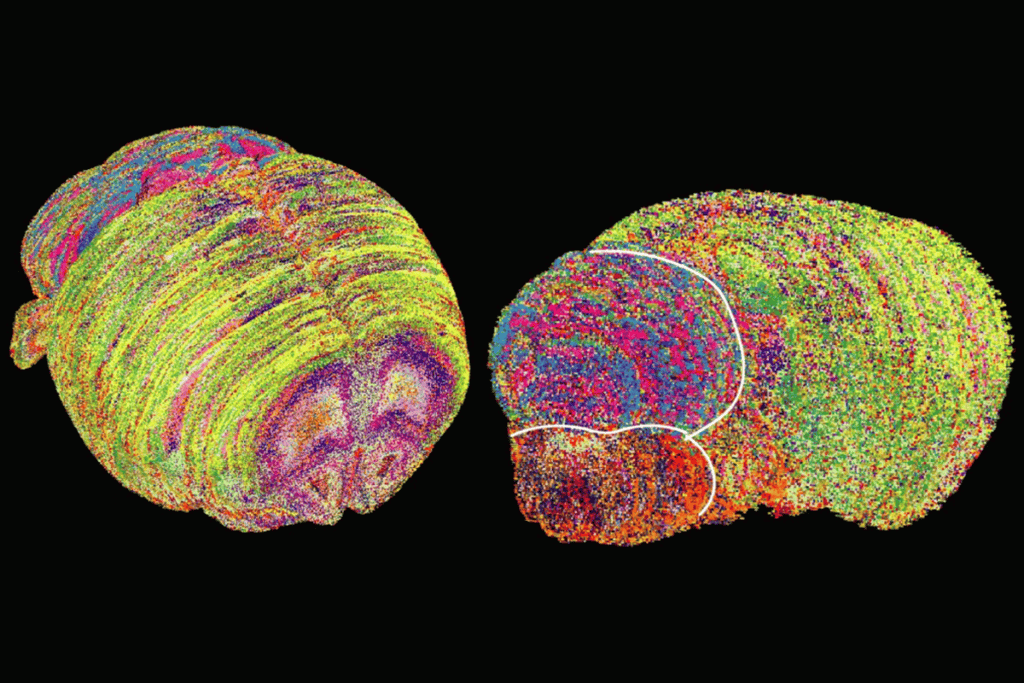
Lipids enter brain mapping limelight
Two new studies, including the first whole-brain lipid atlas in mice, uncover unforeseen complexity and influence during pregnancy and aging.
Lipids enter brain mapping limelight
Two new studies, including the first whole-brain lipid atlas in mice, uncover unforeseen complexity and influence during pregnancy and aging.
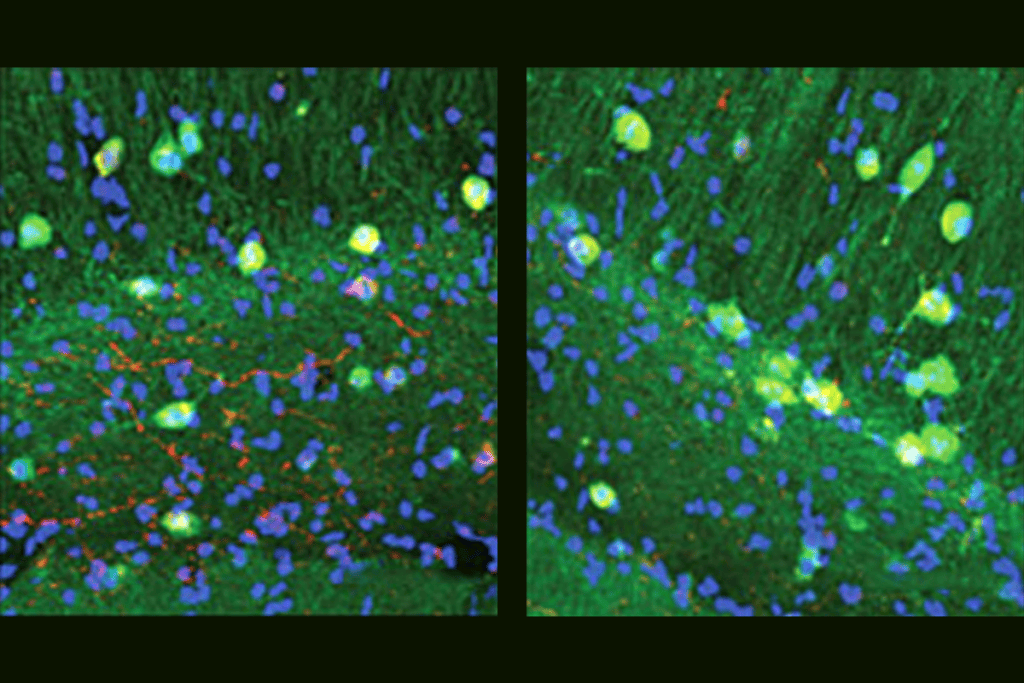
Behavioral phenomics in zebrafish; and more
Here is a roundup of autism-related news and research spotted around the web for the week of 26 October.
Behavioral phenomics in zebrafish; and more
Here is a roundup of autism-related news and research spotted around the web for the week of 26 October.
Neuroscience gave AI its start. What happens now?
David Sussillo maps the two fields' divergent paths, and where they might still meet.
Neuroscience gave AI its start. What happens now?
David Sussillo maps the two fields' divergent paths, and where they might still meet.