Motor skills
Recent articles
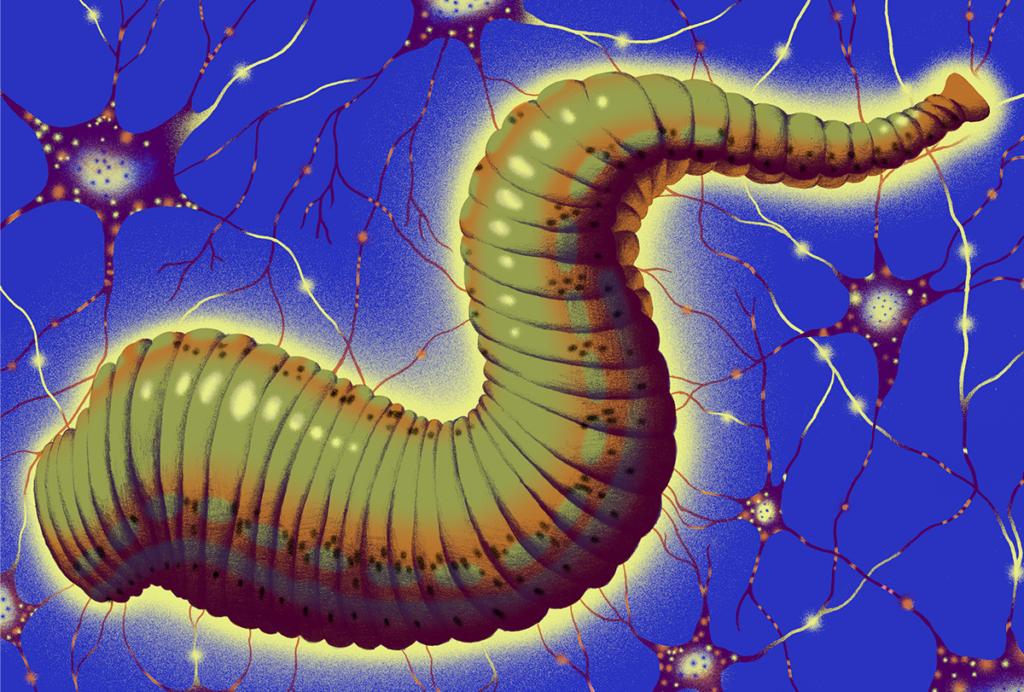
What leeches reveal about movement
Lidia Szczupak turned to the animals to explore how the nervous system coordinates movement.
What leeches reveal about movement
Lidia Szczupak turned to the animals to explore how the nervous system coordinates movement.
O que as sanguessugas revelam sobre o movimento
Lidia Szczupak recorreu a esses animais para investigar como o sistema nervoso coordena o movimento.
O que as sanguessugas revelam sobre o movimento
Lidia Szczupak recorreu a esses animais para investigar como o sistema nervoso coordena o movimento.
Lo que las sanguijuelas revelan sobre movimiento
Lidia Szczupak recurrió a los animales para explorar cómo el sistema nervioso coordina el movimiento.
Lo que las sanguijuelas revelan sobre movimiento
Lidia Szczupak recurrió a los animales para explorar cómo el sistema nervioso coordina el movimiento.
Arboreal deer mice reveal neural roots of dexterity
The rodents offered researchers an opportunity to link genetically driven changes in corticospinal abundance and morphology to climbing cachet.
Arboreal deer mice reveal neural roots of dexterity
The rodents offered researchers an opportunity to link genetically driven changes in corticospinal abundance and morphology to climbing cachet.
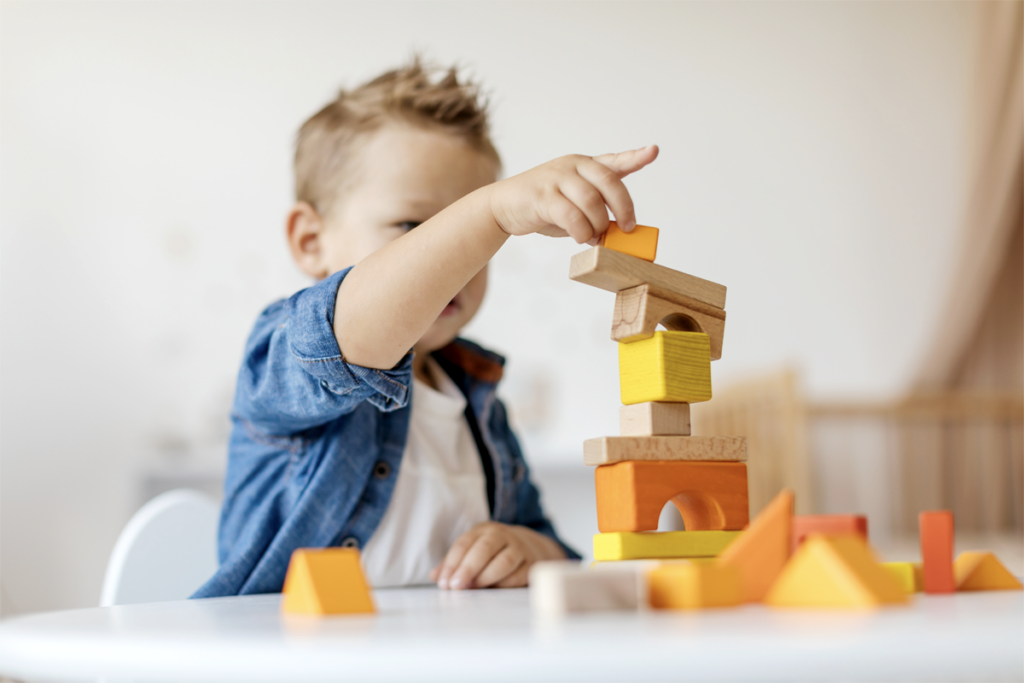
Structure of striatum varies by sex in autistic children
The changes could reflect different developmental trajectories between boys and girls with autism, a new study suggests.
Structure of striatum varies by sex in autistic children
The changes could reflect different developmental trajectories between boys and girls with autism, a new study suggests.
Karen Adolph explains how we develop our ability to move through the world
How do babies' bodies and their environment teach them to move—and how can robots benefit from these insights?
Karen Adolph explains how we develop our ability to move through the world
How do babies' bodies and their environment teach them to move—and how can robots benefit from these insights?
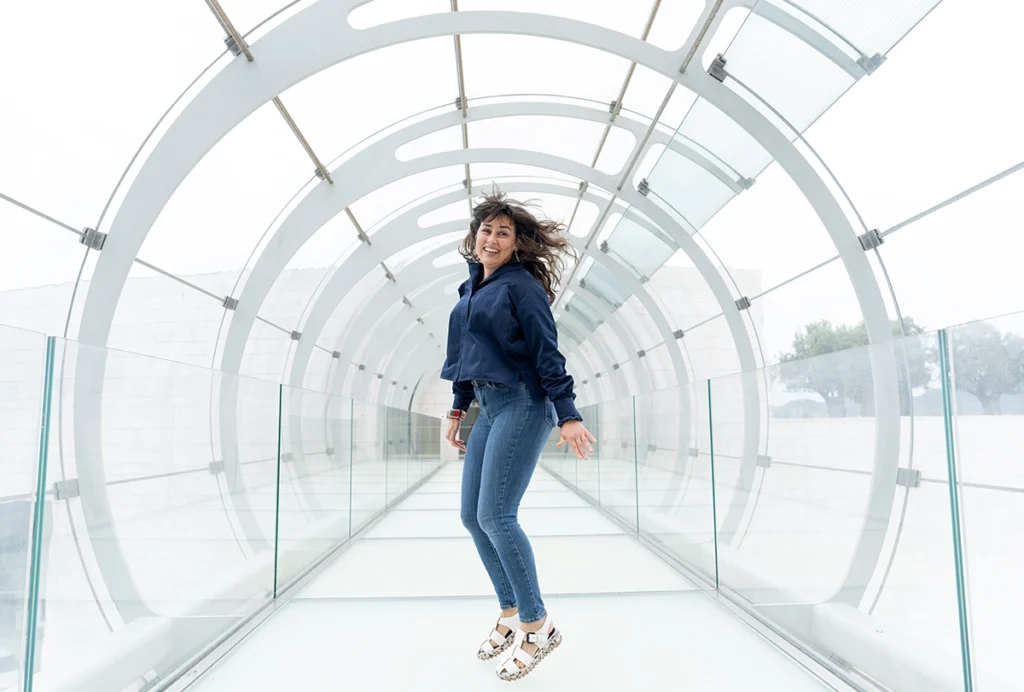
Decoding flies’ motor control with acrobat-scientist Eugenia Chiappe
The tiny performers steal the show in Chiappe’s sensorimotor-integration lab in Lisbon, Portugal.
Decoding flies’ motor control with acrobat-scientist Eugenia Chiappe
The tiny performers steal the show in Chiappe’s sensorimotor-integration lab in Lisbon, Portugal.
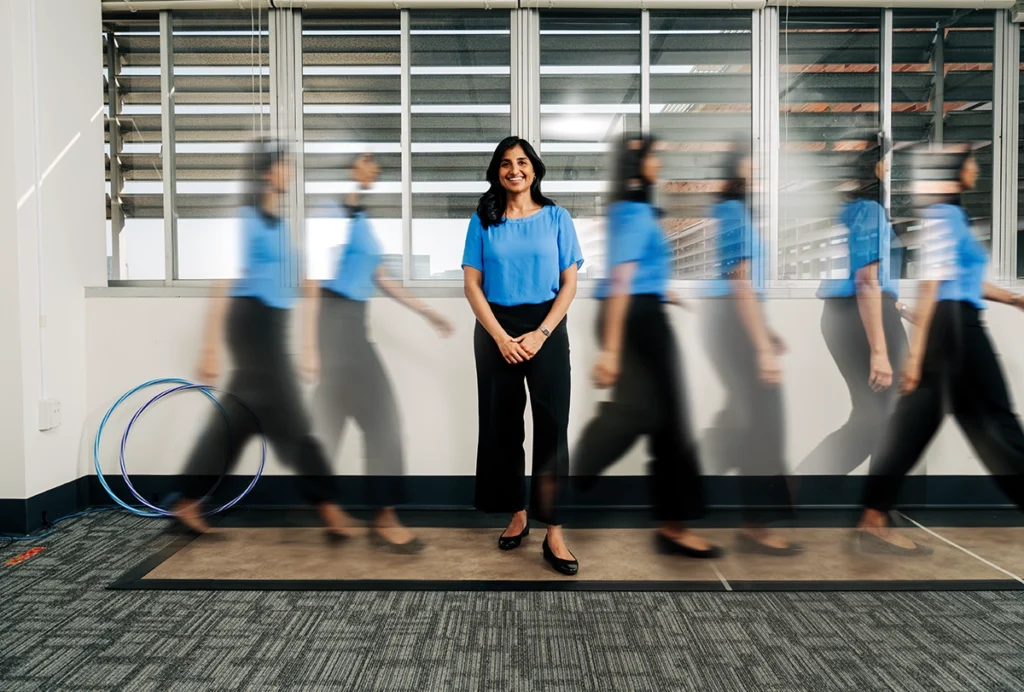
A new look at walking in early childhood: Q&A with Rujuta Wilson
Quantifying toddlers’ gaits promises to improve autism diagnosis and intervention.
A new look at walking in early childhood: Q&A with Rujuta Wilson
Quantifying toddlers’ gaits promises to improve autism diagnosis and intervention.

New tablet-based tools to spot autism draw excitement — and questions
Handheld devices promise to bring autism detection home, but many researchers urge caution.
New tablet-based tools to spot autism draw excitement — and questions
Handheld devices promise to bring autism detection home, but many researchers urge caution.
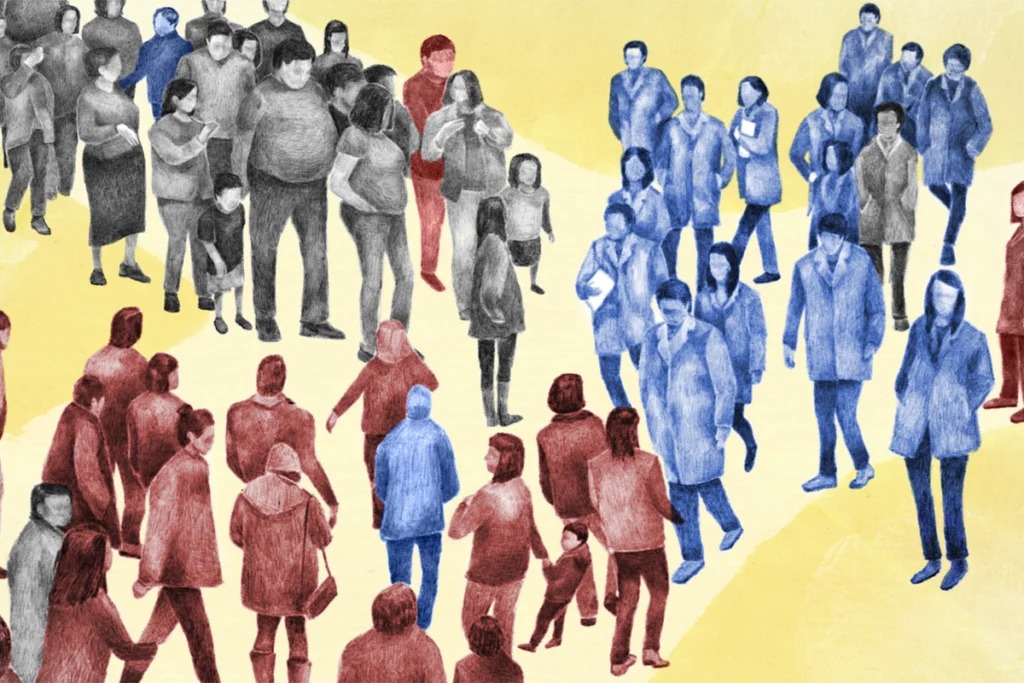
Year in Review: Spectrum’s best in 2023
Here are five must-reads from our coverage of autism research over the past 12 months.
Year in Review: Spectrum’s best in 2023
Here are five must-reads from our coverage of autism research over the past 12 months.
Explore more from The Transmitter
Is it time for neuroscience to shift its focus from a computational mind to a navigating mind?
Andrea Hiott explains her navigational approach to the mind, and why now is the time to embrace seemingly paradoxical findings in neuroscience.
Is it time for neuroscience to shift its focus from a computational mind to a navigating mind?
Andrea Hiott explains her navigational approach to the mind, and why now is the time to embrace seemingly paradoxical findings in neuroscience.
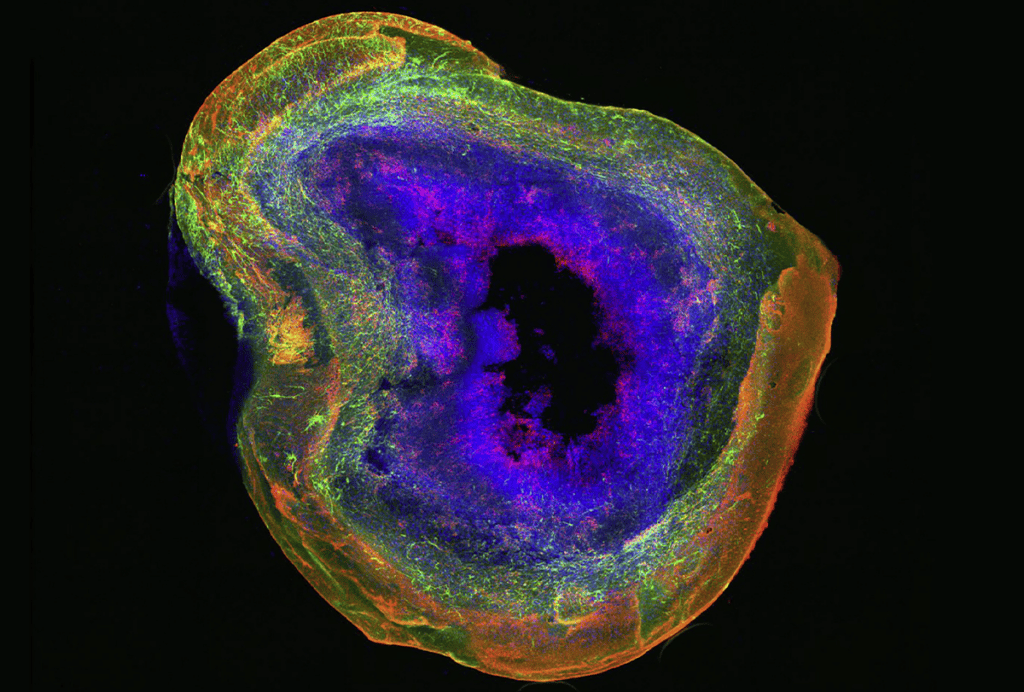
Human brain organoids come of age—but still have room to grow
The U.S. government has touted organoids as an alternative to animals for studying the brain. The model has improved since its debut in 2013, but scientists are still working to overcome key limitations: immaturity, consistency and the lack of vascularization.
Human brain organoids come of age—but still have room to grow
The U.S. government has touted organoids as an alternative to animals for studying the brain. The model has improved since its debut in 2013, but scientists are still working to overcome key limitations: immaturity, consistency and the lack of vascularization.
Finding neuroheterogeneity’s sweet spot
Once thought to be detrimental to memory processing, neuronal diversity—at the right ‘Goldilocks’ dose—is a new boon to theoretical neuroscience.
Finding neuroheterogeneity’s sweet spot
Once thought to be detrimental to memory processing, neuronal diversity—at the right ‘Goldilocks’ dose—is a new boon to theoretical neuroscience.