INSAR 2024
Recent articles

Autism research is becoming more diverse but not yet more global
Hosting the International Society for Autism Research annual meeting—which starts tomorrow—in Australia takes a step in that direction, making it easier for researchers, clinicians and advocates from the Western Pacific Region to participate.
Autism research is becoming more diverse but not yet more global
Hosting the International Society for Autism Research annual meeting—which starts tomorrow—in Australia takes a step in that direction, making it easier for researchers, clinicians and advocates from the Western Pacific Region to participate.
Explore more from The Transmitter

Scientists decry conference’s use of hidden prompts to snare AI peer reviews
The invisible messages, which instruct large language models to use telltale phrases in a peer-review report, are effective in catching artificial-intelligence misuse but also erode trust, some say.
Scientists decry conference’s use of hidden prompts to snare AI peer reviews
The invisible messages, which instruct large language models to use telltale phrases in a peer-review report, are effective in catching artificial-intelligence misuse but also erode trust, some say.
Johannes Jaeger explains why we should care that brains and AI are not the same
From single cells to whole organisms, living beings must continuously regenerate themselves and judge what's important to continue living. Artificial intelligence does not and cannot.
Johannes Jaeger explains why we should care that brains and AI are not the same
From single cells to whole organisms, living beings must continuously regenerate themselves and judge what's important to continue living. Artificial intelligence does not and cannot.
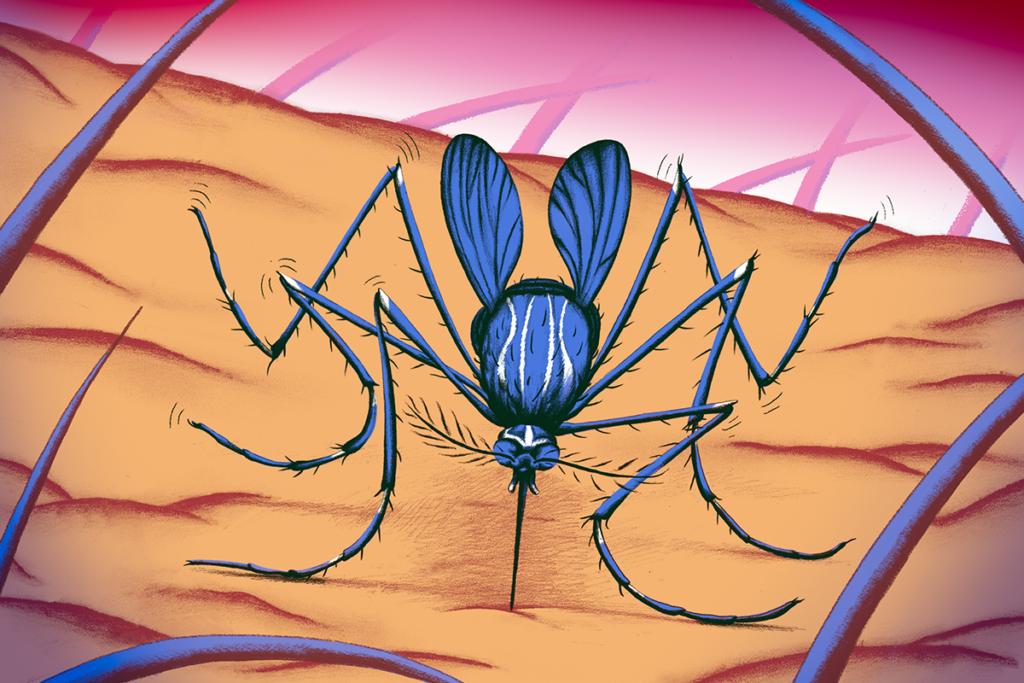
What mosquitos lay bare about proprioception
By comparing the proprioceptive systems of mosquitos and fruit flies, Sweta Agrawal aims to uncover fundamental features of the ability to sense self-movement.
What mosquitos lay bare about proprioception
By comparing the proprioceptive systems of mosquitos and fruit flies, Sweta Agrawal aims to uncover fundamental features of the ability to sense self-movement.