INSAR 2019
Recent articles

Early life experiences may shift severity of autism
A child’s environment exerts a strong influence on the severity of her autism, a study of identical twins suggests.
Early life experiences may shift severity of autism
A child’s environment exerts a strong influence on the severity of her autism, a study of identical twins suggests.


Reactions from INSAR 2019
The autism research community is gathering in Montreal, Canada, this week for the meeting of the International Society for Autism Research.
Reactions from INSAR 2019
The autism research community is gathering in Montreal, Canada, this week for the meeting of the International Society for Autism Research.

U.S. autism prevalence in black children based on few families
A national survey that estimates autism prevalence includes too few black families to yield accurate data for that demographic.
U.S. autism prevalence in black children based on few families
A national survey that estimates autism prevalence includes too few black families to yield accurate data for that demographic.
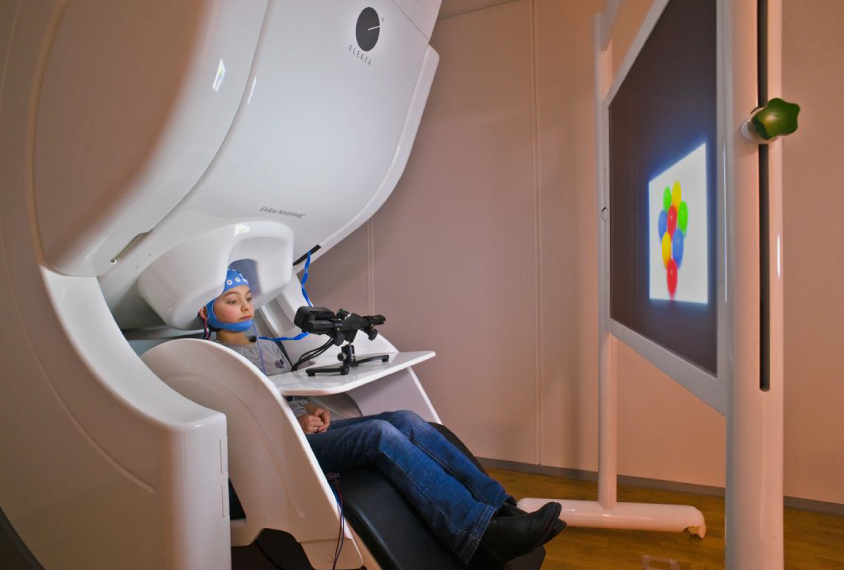
Brains of minimally verbal autistic children respond slowly to sound
Several of the brain’s responses to sound are sluggish in autistic children who speak few or no words, compared with those who are verbal.
Brains of minimally verbal autistic children respond slowly to sound
Several of the brain’s responses to sound are sluggish in autistic children who speak few or no words, compared with those who are verbal.

Signs of autism may be heard early in infancy
Autistic infants as young as 4 months may have fewer verbal exchanges with their caregivers than their peers do.
Signs of autism may be heard early in infancy
Autistic infants as young as 4 months may have fewer verbal exchanges with their caregivers than their peers do.

Many autistic children contemplate suicide, screens suggest
About 10 percent of autistic children have suicidal thoughts and behaviors.
Many autistic children contemplate suicide, screens suggest
About 10 percent of autistic children have suicidal thoughts and behaviors.

Landmark summit on autism health care kicks off
A panel of autism scientists and advocates is charged with a tall order: making recommendations for the care of autistic people worldwide.
Landmark summit on autism health care kicks off
A panel of autism scientists and advocates is charged with a tall order: making recommendations for the care of autistic people worldwide.

Genetic background may alter effect of autism mutations
A person’s genetic makeup can ease or worsen the effect of mutations linked to autism.
Genetic background may alter effect of autism mutations
A person’s genetic makeup can ease or worsen the effect of mutations linked to autism.

First estimate of autism prevalence in Qatar finds high numbers
The prevalence of autism among school-aged children in Qatar is higher than the worldwide average.
First estimate of autism prevalence in Qatar finds high numbers
The prevalence of autism among school-aged children in Qatar is higher than the worldwide average.
Explore more from The Transmitter

Prevalence of profound autism declines with new definition
The updated, more precise definition used in a CDC study includes adaptive scores.
Prevalence of profound autism declines with new definition
The updated, more precise definition used in a CDC study includes adaptive scores.
Is it time for neuroscience to shift its focus from a computational mind to a navigating mind?
Andrea Hiott explains her navigational approach to the mind, and why now is the time to embrace seemingly paradoxical findings in neuroscience.
Is it time for neuroscience to shift its focus from a computational mind to a navigating mind?
Andrea Hiott explains her navigational approach to the mind, and why now is the time to embrace seemingly paradoxical findings in neuroscience.
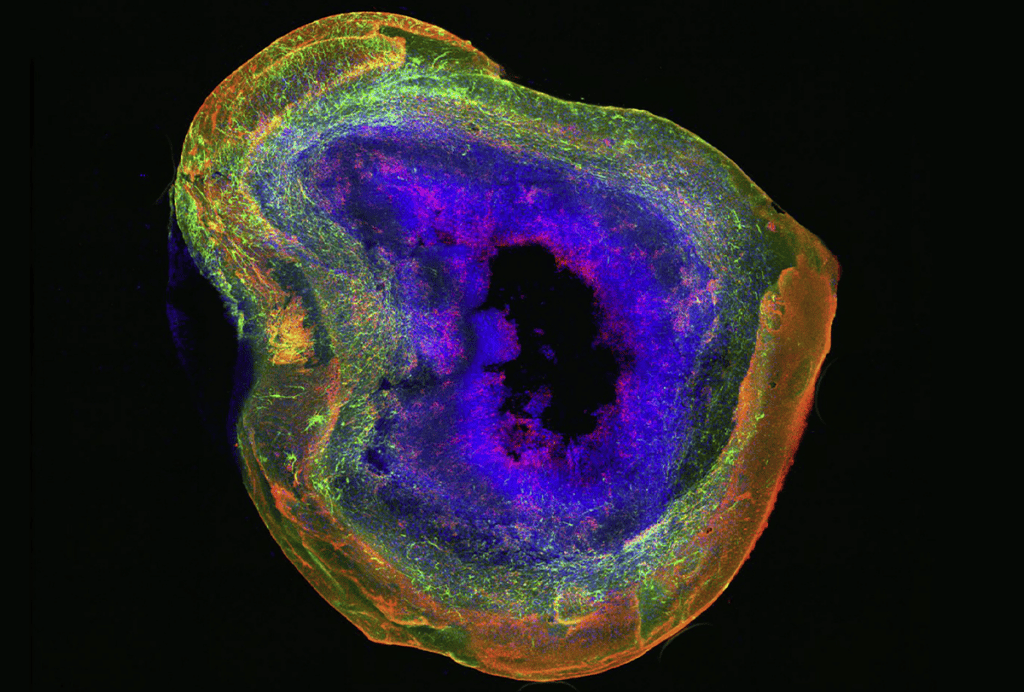
Human brain organoids come of age—but still have room to grow
The U.S. government has touted organoids as an alternative to animals for studying the brain. The model has improved since its debut in 2013, but scientists are still working to overcome key limitations: immaturity, consistency and the lack of vascularization.