Gene therapy
Recent articles
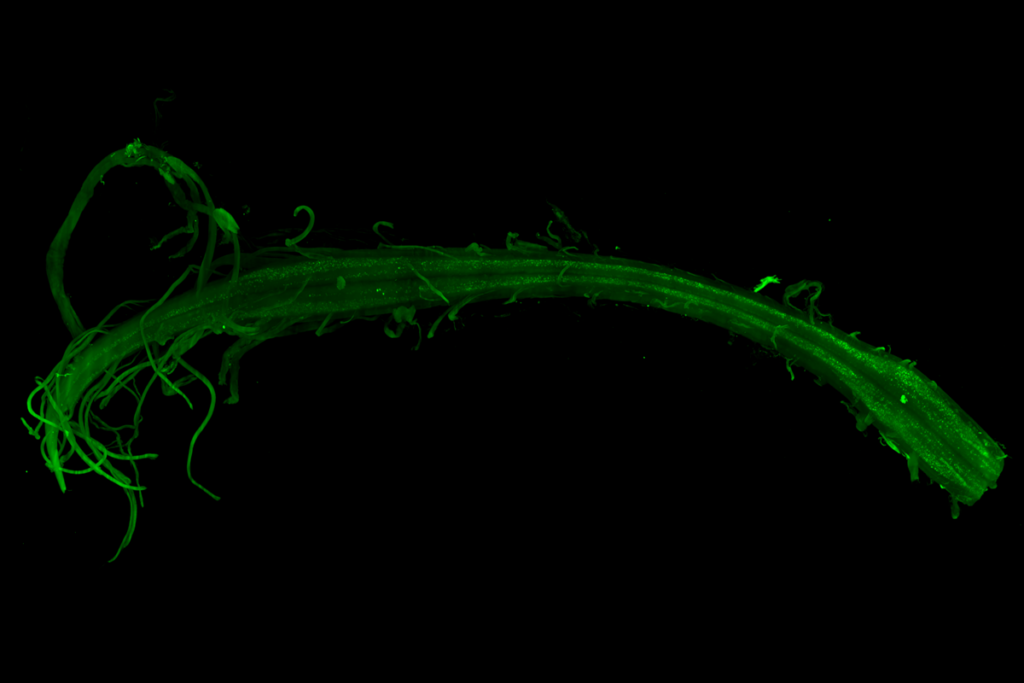
Allen Institute sets sights on treatments for five brain diseases
The Brain Health Accelerator program aims to harness single-cell transcriptomics and cell-type-specific genetic tools to develop treatments for Alzheimer’s, Huntington’s and Parkinson’s diseases, Lewy body dementia and ALS.
Allen Institute sets sights on treatments for five brain diseases
The Brain Health Accelerator program aims to harness single-cell transcriptomics and cell-type-specific genetic tools to develop treatments for Alzheimer’s, Huntington’s and Parkinson’s diseases, Lewy body dementia and ALS.
Advances in genetic medicine took center stage at INSAR
The president of the Autism Science Foundation and parent of a child with profound autism reflects on how advances in the treatment of rare gene variants bring hope to many families.
Advances in genetic medicine took center stage at INSAR
The president of the Autism Science Foundation and parent of a child with profound autism reflects on how advances in the treatment of rare gene variants bring hope to many families.
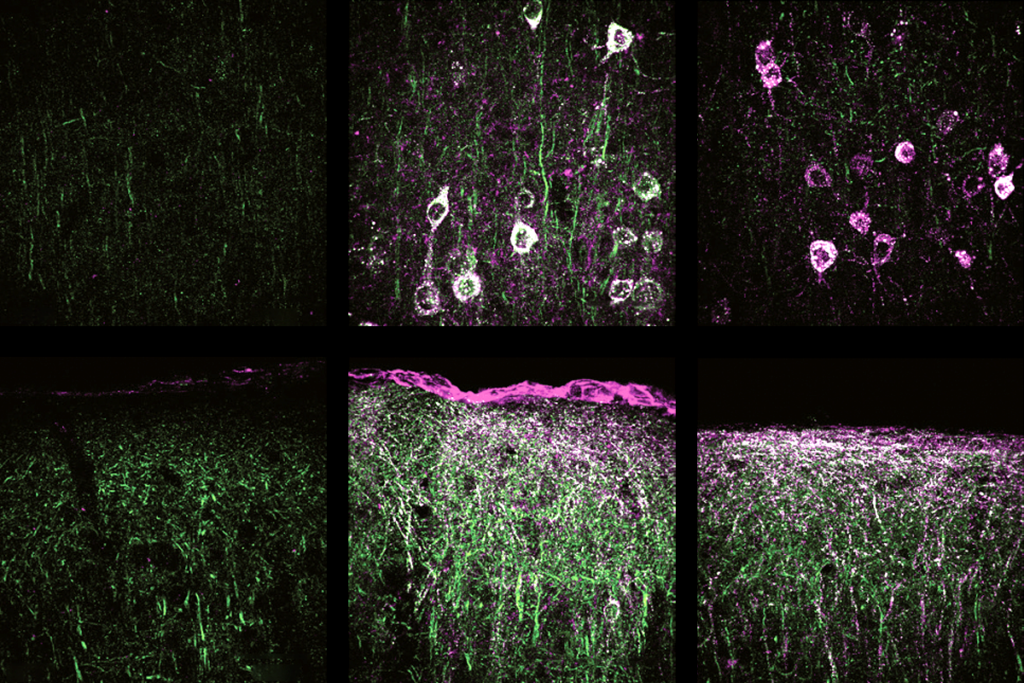
Gene replacement therapy normalizes some traits in SYNGAP1 model mice
The first published virus-based gene therapy for SYNGAP1 deletion yields benefits despite the gene’s long length and complexity.
Gene replacement therapy normalizes some traits in SYNGAP1 model mice
The first published virus-based gene therapy for SYNGAP1 deletion yields benefits despite the gene’s long length and complexity.
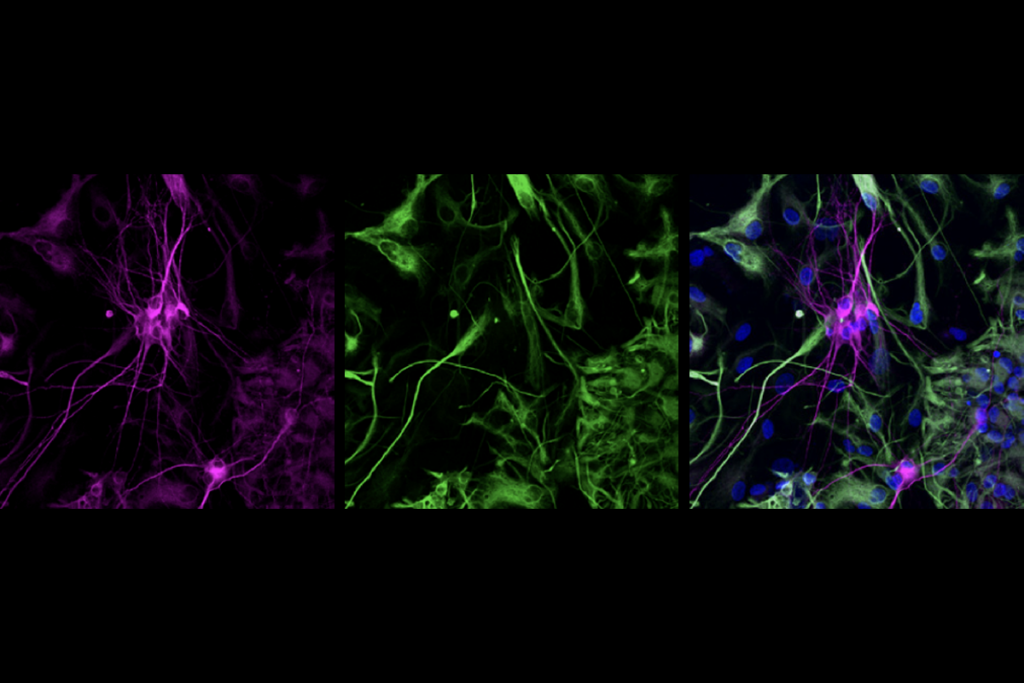
Boosting SCN2A expression reduces seizures in mice
A modified form of CRISPR amps up expression of the gene—a strategy that could apply to other gene variations linked to autism.
Boosting SCN2A expression reduces seizures in mice
A modified form of CRISPR amps up expression of the gene—a strategy that could apply to other gene variations linked to autism.

Expediting clinical trials for profound autism: Q&A with Matthew State
Aligning Research to Impact Autism, a new initiative funded by the Sergey Brin Family Foundation, wants to bring basic science discoveries to the clinic faster.
Expediting clinical trials for profound autism: Q&A with Matthew State
Aligning Research to Impact Autism, a new initiative funded by the Sergey Brin Family Foundation, wants to bring basic science discoveries to the clinic faster.
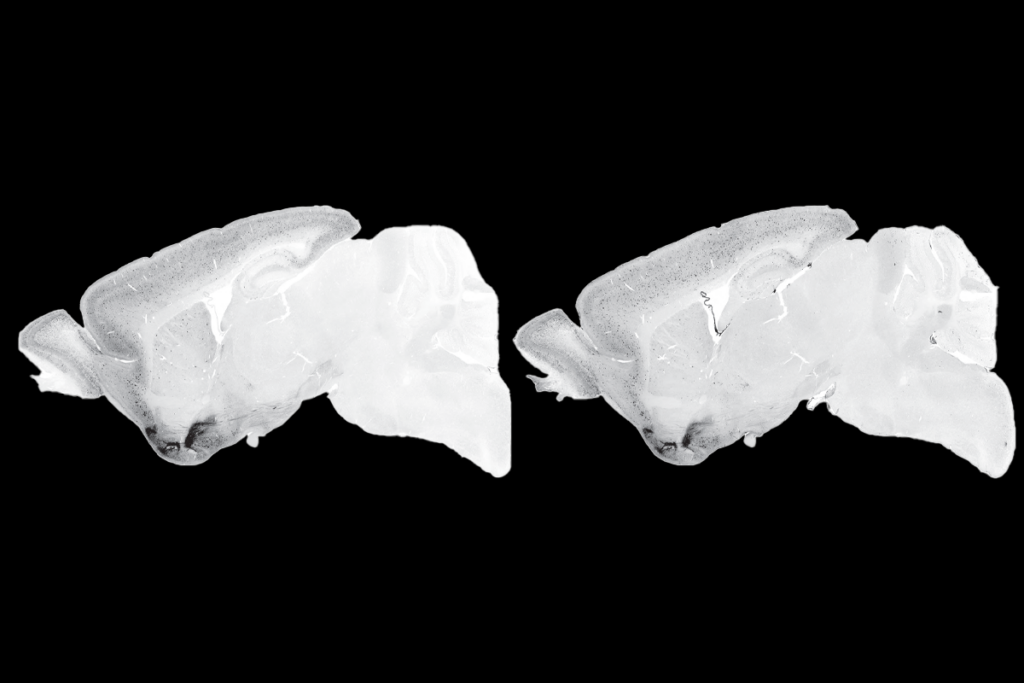
Split gene therapy delivers promise in mice modeling Dravet syndrome
The new approach overcomes viral packaging limitations by delivering SCN1A piecemeal and stitching it together in target cells.
Split gene therapy delivers promise in mice modeling Dravet syndrome
The new approach overcomes viral packaging limitations by delivering SCN1A piecemeal and stitching it together in target cells.
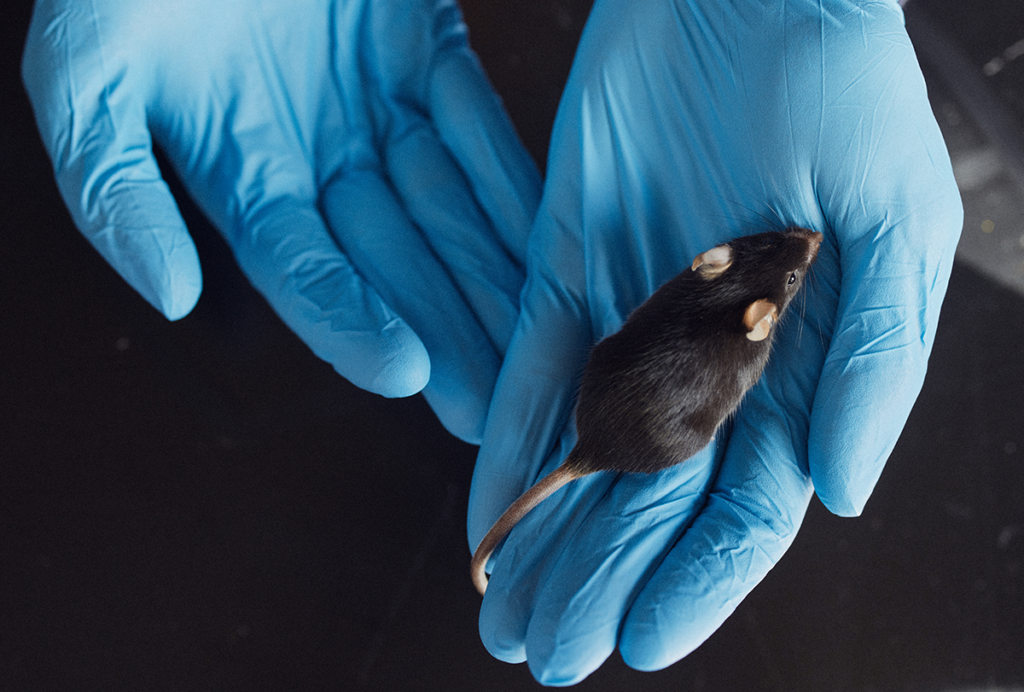
Molecular changes after MECP2 loss may drive Rett syndrome traits
Knocking out the gene in adult mice triggered up- and down-regulated expression of myriad genes weeks before there were changes in neuronal function.
Molecular changes after MECP2 loss may drive Rett syndrome traits
Knocking out the gene in adult mice triggered up- and down-regulated expression of myriad genes weeks before there were changes in neuronal function.
What’s next for brain-directed gene therapy after death in Neurogene trial
The incident highlights that viral vectors can trigger deadly immune responses even when delivered directly to the nervous system.
What’s next for brain-directed gene therapy after death in Neurogene trial
The incident highlights that viral vectors can trigger deadly immune responses even when delivered directly to the nervous system.
Expanding set of viral tools targets almost any brain cell type
Harmless viruses that encase short noncoding DNA elements called enhancers enable cell-type-specific gene delivery across the central nervous system in rodents and primates.
Expanding set of viral tools targets almost any brain cell type
Harmless viruses that encase short noncoding DNA elements called enhancers enable cell-type-specific gene delivery across the central nervous system in rodents and primates.

Leveraging the power of community to strengthen clinical trials for rare genetic syndromes
Families can become not only participants but champions of these research efforts.
Leveraging the power of community to strengthen clinical trials for rare genetic syndromes
Families can become not only participants but champions of these research efforts.
Explore more from The Transmitter
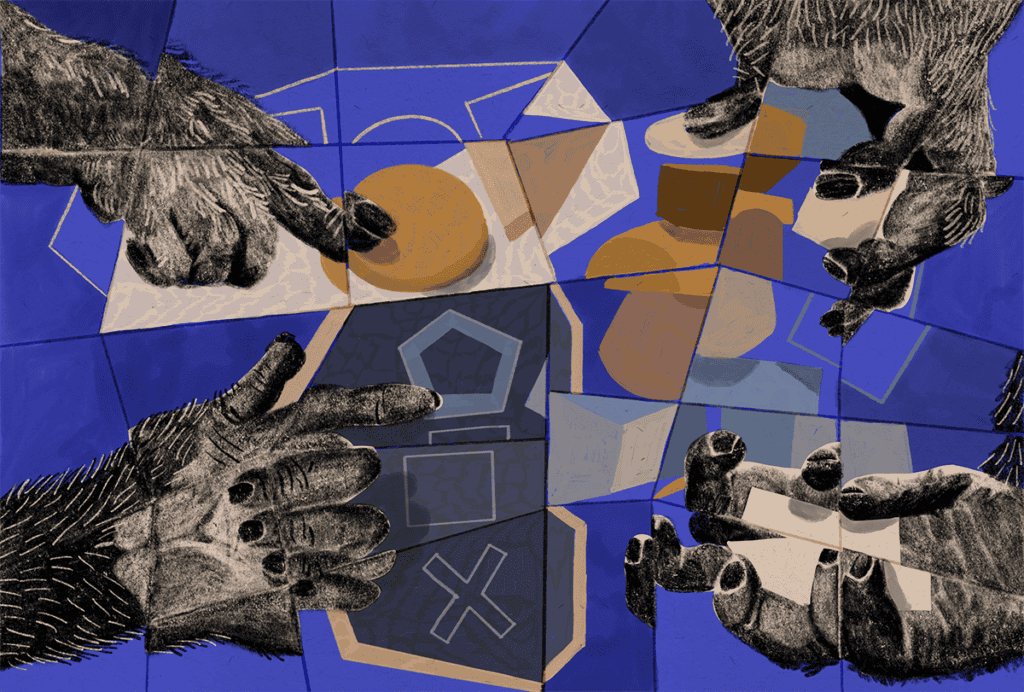
The neuroscience questions that need nonhuman primates
The Transmitter asked 17 neuroscientists what questions might remain unanswered if support for nonhuman primate research continues to decline.
The neuroscience questions that need nonhuman primates
The Transmitter asked 17 neuroscientists what questions might remain unanswered if support for nonhuman primate research continues to decline.
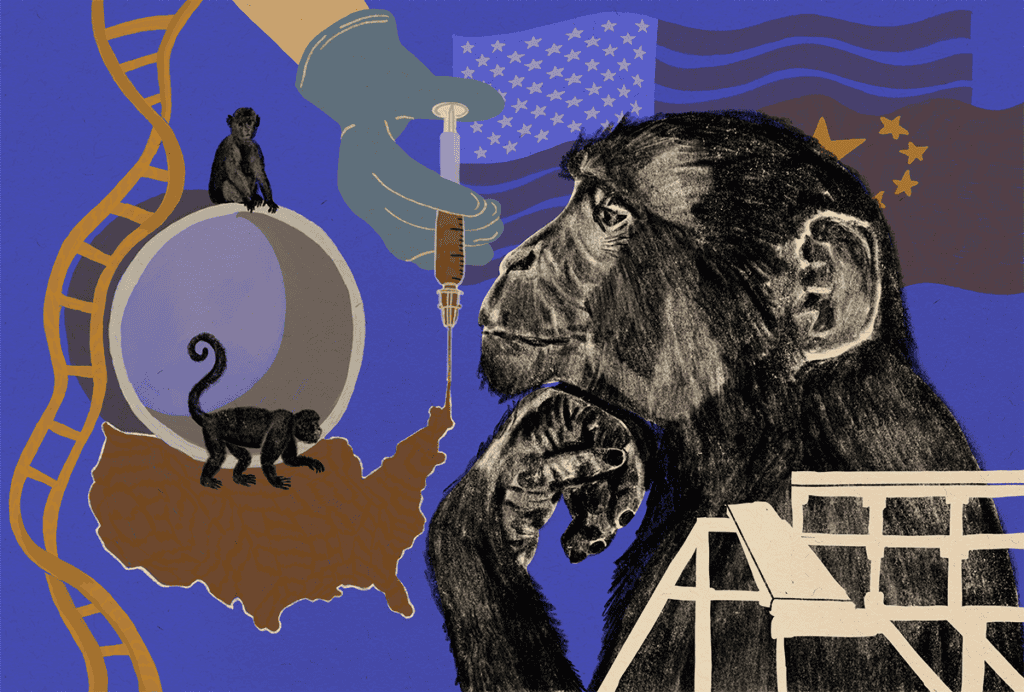
U.S. national primate research centers face an uncertain future
The facilities were meant to last 100 years. Four decades shy of that mark, amid flatlined funds and mounting political pressure, their directors are trying to find a path forward.
U.S. national primate research centers face an uncertain future
The facilities were meant to last 100 years. Four decades shy of that mark, amid flatlined funds and mounting political pressure, their directors are trying to find a path forward.
What if nonhuman primate research goes away?
As the U.S. government takes steps to stop using nonhuman primates in research, The Transmitter investigates what that shift could mean for neuroscience.
What if nonhuman primate research goes away?
As the U.S. government takes steps to stop using nonhuman primates in research, The Transmitter investigates what that shift could mean for neuroscience.