Features
Recent articles
In-depth analysis of important topics in neuroscience
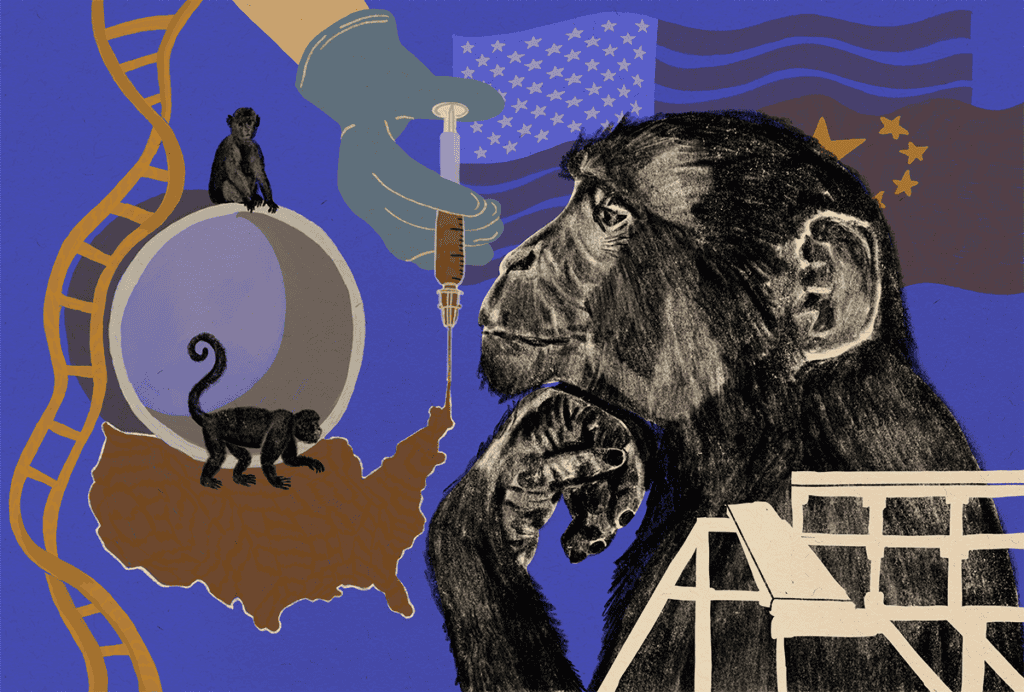
U.S. national primate research centers face an uncertain future
The facilities were meant to last 100 years. Four decades shy of that mark, amid flatlined funds and mounting political pressure, their directors are trying to find a path forward.
U.S. national primate research centers face an uncertain future
The facilities were meant to last 100 years. Four decades shy of that mark, amid flatlined funds and mounting political pressure, their directors are trying to find a path forward.
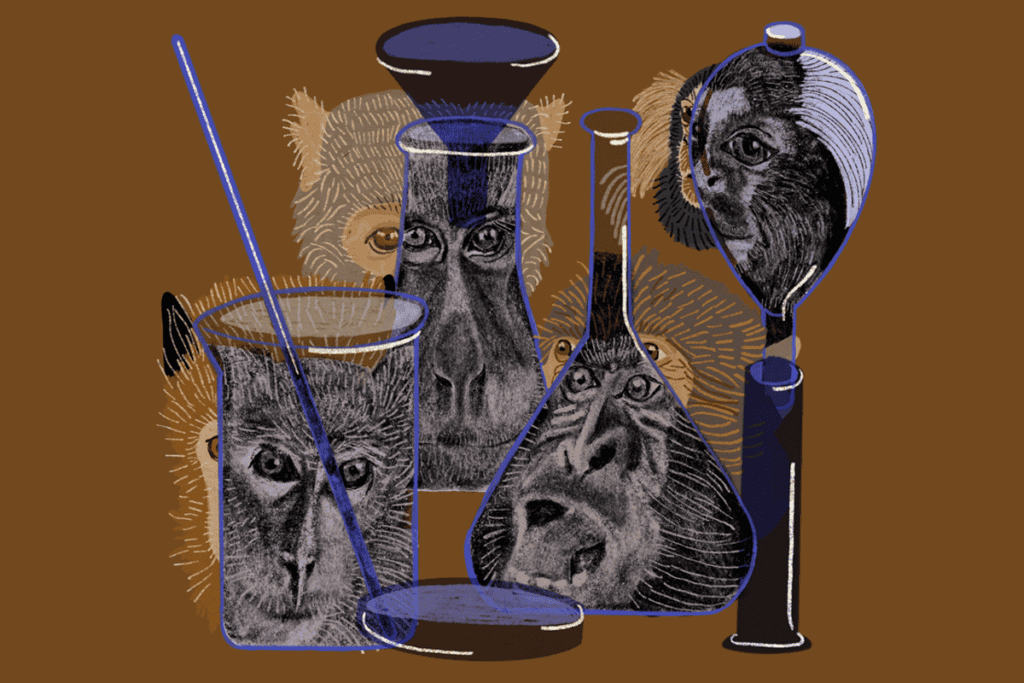
What if nonhuman primate research goes away?
As the U.S. government takes steps to stop using nonhuman primates in research, The Transmitter investigates what that shift could mean for neuroscience.
What if nonhuman primate research goes away?
As the U.S. government takes steps to stop using nonhuman primates in research, The Transmitter investigates what that shift could mean for neuroscience.
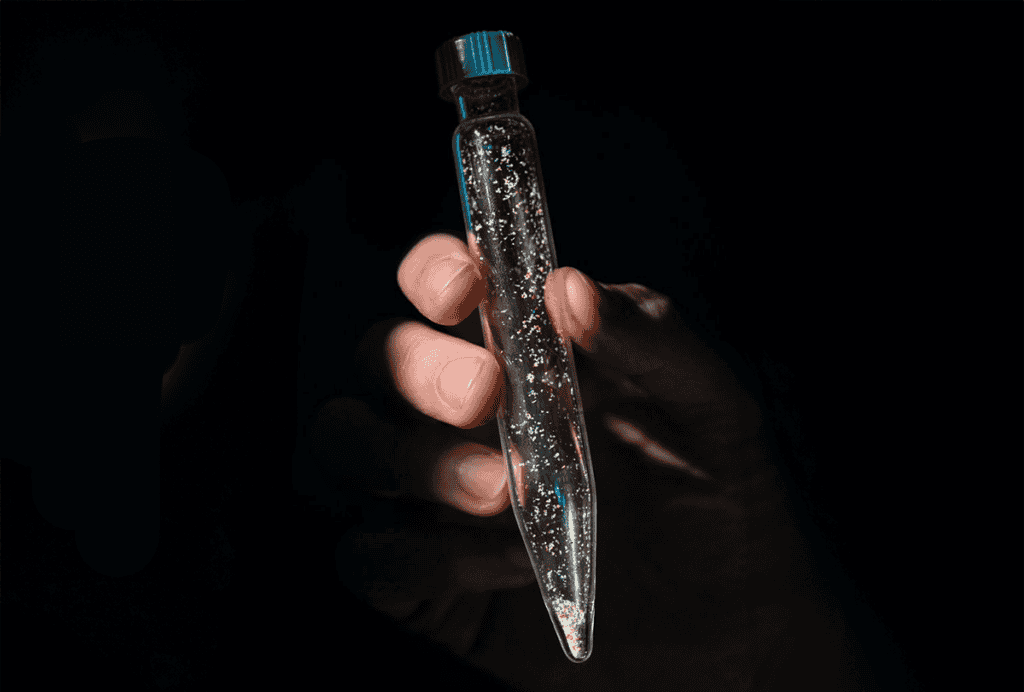
Measuring plastic in the brain: Improving, but incomplete
Meanwhile, researchers are publishing papers without “sufficient quality control,” says analytical chemist Dušan Materić.
Measuring plastic in the brain: Improving, but incomplete
Meanwhile, researchers are publishing papers without “sufficient quality control,” says analytical chemist Dušan Materić.
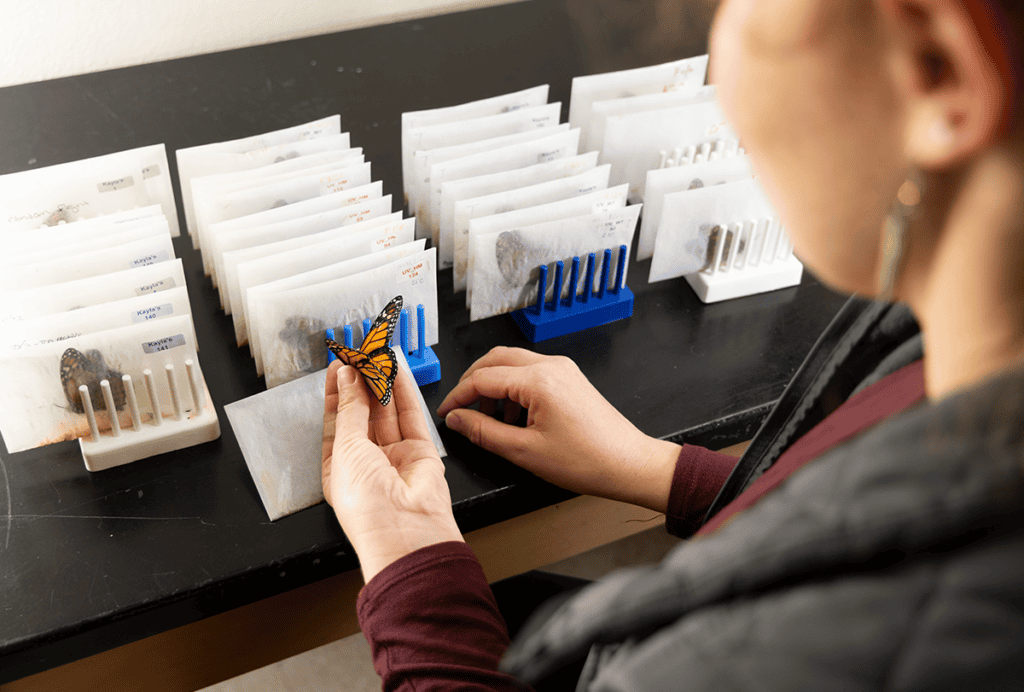
Finally, a new route for the magnetic-sense field
Researchers have dueled for years over how the magnetic sense works. New data from monarch butterflies could finally help settle the debate.
Finally, a new route for the magnetic-sense field
Researchers have dueled for years over how the magnetic sense works. New data from monarch butterflies could finally help settle the debate.

The State of Neuroscience in Latin America
Through interviews with dozens of Latin American neuroscientists, The Transmitter explores how researchers in six countries—Argentina, Brazil, Chile, Colombia, Mexico and Uruguay—conduct high-quality research in the face of numerous obstacles.
The State of Neuroscience in Latin America
Through interviews with dozens of Latin American neuroscientists, The Transmitter explores how researchers in six countries—Argentina, Brazil, Chile, Colombia, Mexico and Uruguay—conduct high-quality research in the face of numerous obstacles.
El Panorama de la Neurociencia en Latinoamérica
A través de entrevistas con decenas de neurocientíficos latinoamericanos, The Transmitter explora cómo los investigadores de seis países —Argentina, Brasil, Chile, Colombia, México y Uruguay— llevan a cabo investigaciones de alta calidad a pesar de numerosos obstáculos.
El Panorama de la Neurociencia en Latinoamérica
A través de entrevistas con decenas de neurocientíficos latinoamericanos, The Transmitter explora cómo los investigadores de seis países —Argentina, Brasil, Chile, Colombia, México y Uruguay— llevan a cabo investigaciones de alta calidad a pesar de numerosos obstáculos.
O estado da neurociência na América Latina
Por meio de entrevistas com dezenas de neurocientistas latino-americanos, a The Transmitter explora como pesquisadores de seis países — Argentina, Brasil, Chile, Colômbia, México e Uruguai — realizam pesquisas de alta qualidade diante de inúmeros obstáculos.
O estado da neurociência na América Latina
Por meio de entrevistas com dezenas de neurocientistas latino-americanos, a The Transmitter explora como pesquisadores de seis países — Argentina, Brasil, Chile, Colômbia, México e Uruguai — realizam pesquisas de alta qualidade diante de inúmeros obstáculos.

Climate neuroscience needs ‘integration’ and ‘guided’ research
Five years after a groundbreaking paper, can a young field move beyond piecemeal studies?
Climate neuroscience needs ‘integration’ and ‘guided’ research
Five years after a groundbreaking paper, can a young field move beyond piecemeal studies?
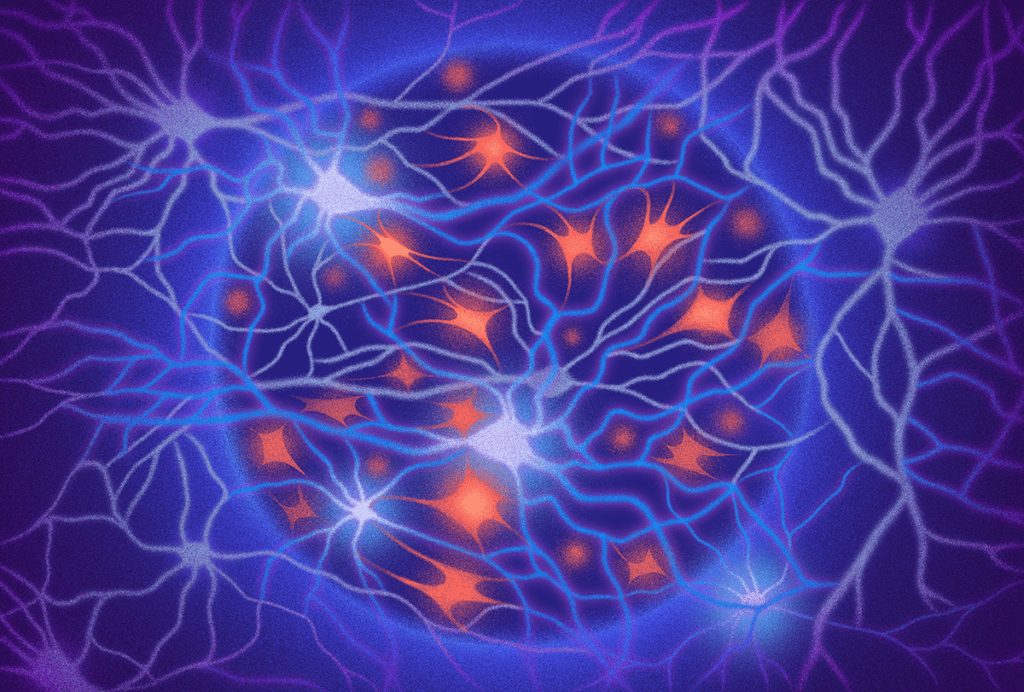
Are parts of the memory trace found in the ‘astroengram?’
Neurons have long taken top billing in memory, but researchers are making the case for astrocytes.
Are parts of the memory trace found in the ‘astroengram?’
Neurons have long taken top billing in memory, but researchers are making the case for astrocytes.

Supported by a $40 million NIH grant, Yale brain shuttle technology raises questions
Yale University claims its STEP platform might be able to deliver gene-editing tools into the brain via multiple routes. Researchers are eager to see more.
Supported by a $40 million NIH grant, Yale brain shuttle technology raises questions
Yale University claims its STEP platform might be able to deliver gene-editing tools into the brain via multiple routes. Researchers are eager to see more.
Explore more from The Transmitter
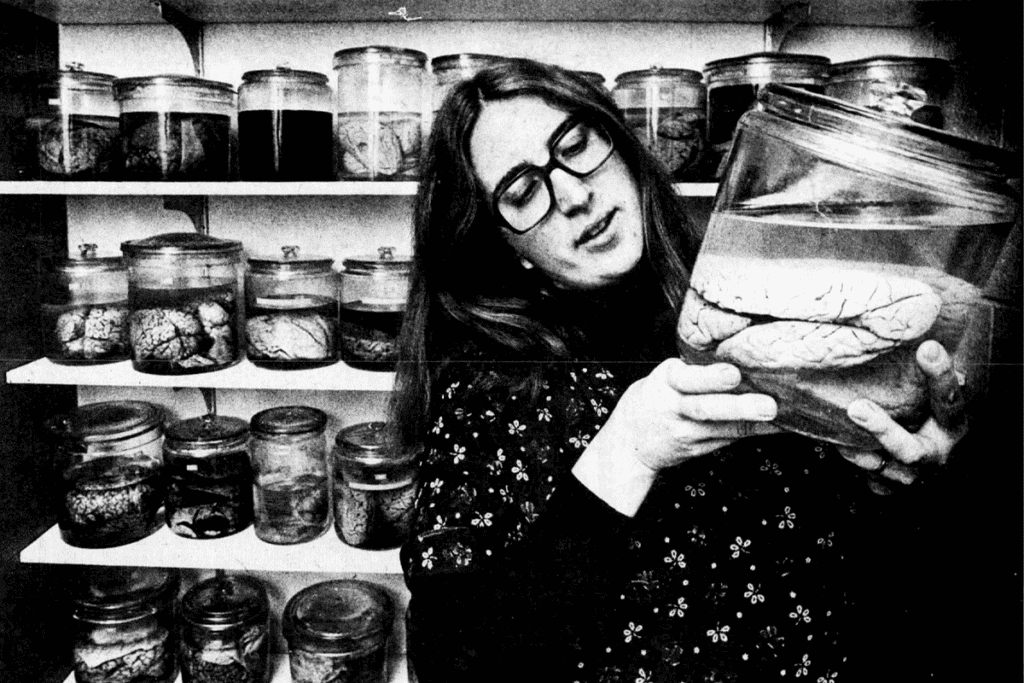
Remembering Barbara Finlay, ‘maverick’ of evolutionary neuroscience
Finlay, who died on 12 September, championed the idea that developmental constraints dictate how evolution sculpts brains, a concept she used to model the timing of hundreds of events and align them across mammalian species.
Remembering Barbara Finlay, ‘maverick’ of evolutionary neuroscience
Finlay, who died on 12 September, championed the idea that developmental constraints dictate how evolution sculpts brains, a concept she used to model the timing of hundreds of events and align them across mammalian species.
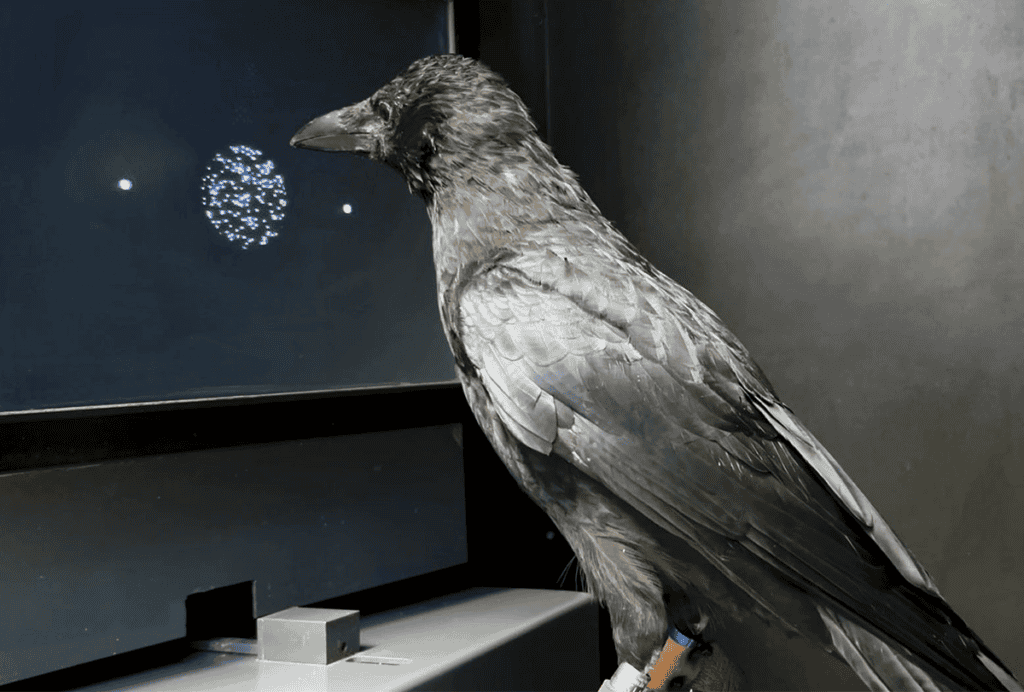
Crows have brains ‘in the fast lane’
The birds accurately complete decision-making tasks twice as fast as primates, although their endbrains look considerably different.
Crows have brains ‘in the fast lane’
The birds accurately complete decision-making tasks twice as fast as primates, although their endbrains look considerably different.

Prevalence of profound autism declines with new definition
The updated, more precise definition used in a CDC study includes adaptive scores.
Prevalence of profound autism declines with new definition
The updated, more precise definition used in a CDC study includes adaptive scores.