Diffusion tensor imaging
Recent articles
Mapping genetic influences on the infant brain: A chat with Rebecca Knickmeyer
Researchers know little about the ways genetic variants affect development in the infant brain. Knickmeyer, who launched the Organization for Imaging Genomics in Infancy, has spent the past five years trying to close the gap.
Mapping genetic influences on the infant brain: A chat with Rebecca Knickmeyer
Researchers know little about the ways genetic variants affect development in the infant brain. Knickmeyer, who launched the Organization for Imaging Genomics in Infancy, has spent the past five years trying to close the gap.
Weak ‘wiring’ in infant brains augurs severe autism features
Babies who are later diagnosed with autism may show aberrant connections between some brain regions in their first year of life.
Weak ‘wiring’ in infant brains augurs severe autism features
Babies who are later diagnosed with autism may show aberrant connections between some brain regions in their first year of life.
Brain scans of babies reveal how nerve tracts mature
Bundles of nerve fibers that bridge brain areas develop rapidly during the first six months of life. Fibers that connect language regions mature more slowly than those linking motor regions.
Brain scans of babies reveal how nerve tracts mature
Bundles of nerve fibers that bridge brain areas develop rapidly during the first six months of life. Fibers that connect language regions mature more slowly than those linking motor regions.
Common brain signature marks autism, attention deficit
Children with autism, attention deficit hyperactivity disorder or obsessive-compulsive disorder all show similar disruptions in brain structure.
Common brain signature marks autism, attention deficit
Children with autism, attention deficit hyperactivity disorder or obsessive-compulsive disorder all show similar disruptions in brain structure.
Motor troubles in Angelman may stem from nerve fiber anomaly
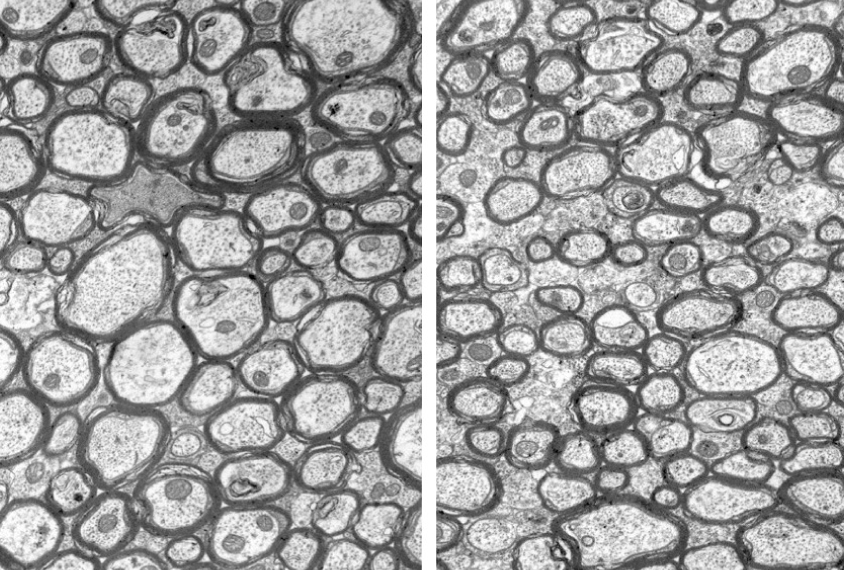
Unusually thin nerve fibers in the brain may underlie the motor difficulties seen in children with Angelman syndrome, an autism-related condition.
Motor troubles in Angelman may stem from nerve fiber anomaly
Unusually thin nerve fibers in the brain may underlie the motor difficulties seen in children with Angelman syndrome, an autism-related condition.

Tightly folded autism brain tied to dense neural connections
An intricately pleated brain may underlie the highly organized connections between nearby neurons in people with autism.
Tightly folded autism brain tied to dense neural connections
An intricately pleated brain may underlie the highly organized connections between nearby neurons in people with autism.
Extra-thick connections mark brains of toddlers with autism
The brains of young children with autism show abnormally dense connections involving the frontal lobe. The excess wiring may disrupt the development of social and language circuits.
Extra-thick connections mark brains of toddlers with autism
The brains of young children with autism show abnormally dense connections involving the frontal lobe. The excess wiring may disrupt the development of social and language circuits.
Thick bridge of nerves may signal autism in infancy
The bundle of nerves that connects the brain’s two hemispheres is abnormally thick in infants who are later diagnosed with autism. The broader the bundle, called the corpus callosum, the more severe a child’s symptoms.
Thick bridge of nerves may signal autism in infancy
The bundle of nerves that connects the brain’s two hemispheres is abnormally thick in infants who are later diagnosed with autism. The broader the bundle, called the corpus callosum, the more severe a child’s symptoms.
Brain structure abnormalities predict repetitive behaviors
Among babies who go on to receive a diagnosis of autism at age 2, alterations in brain structures forecast the severity of repetitive behaviors. The preliminary results were presented Saturday at the 2015 International Meeting for Autism Research in Salt Lake City, Utah.
Brain structure abnormalities predict repetitive behaviors
Among babies who go on to receive a diagnosis of autism at age 2, alterations in brain structures forecast the severity of repetitive behaviors. The preliminary results were presented Saturday at the 2015 International Meeting for Autism Research in Salt Lake City, Utah.
Head movement in scanners skews brain measurements
Even small movements of the head during magnetic resonance imaging can lead to spurious measurements of brain structures, according to a new study.
Head movement in scanners skews brain measurements
Even small movements of the head during magnetic resonance imaging can lead to spurious measurements of brain structures, according to a new study.
Explore more from The Transmitter
Dutch primate center awaits October animal research debate
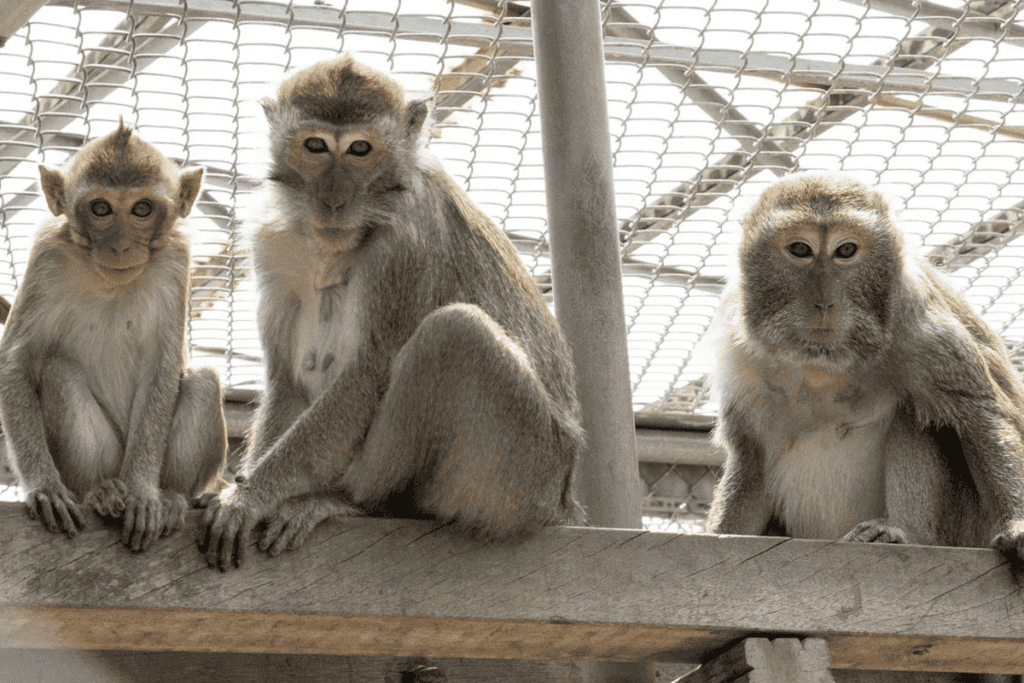
Science is forging ahead at the Biomedical Primate Research Centre in the Netherlands, following a reversal of last year’s mandate to phase out primate studies. But researchers aren’t sure how long the reprieve will last.
Dutch primate center awaits October animal research debate
Science is forging ahead at the Biomedical Primate Research Centre in the Netherlands, following a reversal of last year’s mandate to phase out primate studies. But researchers aren’t sure how long the reprieve will last.
When we sleep, our brain is filled with spontaneous neural activity. What is it doing?
Daniel Levenstein explains how internally generated brain activity during sleep shapes our cognition, and why NeuroAI is such a powerful approach to understanding the brain.
When we sleep, our brain is filled with spontaneous neural activity. What is it doing?
Daniel Levenstein explains how internally generated brain activity during sleep shapes our cognition, and why NeuroAI is such a powerful approach to understanding the brain.
Unconfounding genetic and environmental factors, and more
Here is a roundup of autism-related news and research spotted around the web for the week of 31 August.
Unconfounding genetic and environmental factors, and more
Here is a roundup of autism-related news and research spotted around the web for the week of 31 August.