Virginia Hughes is a freelance writer based in Brooklyn, New York.
Virginia Hughes
Freelance Writer
Simons Foundation
From this contributor

Monkey missing Rett gene prompts primate research debate
Scientists have created a transgenic monkey modeling Rett syndrome, they announced yesterday at the 2014 Society for Neuroscience annual meeting in Washington, D.C. This model and others sparked a lively discussion about the relative value of animal models in research.
Monkey missing Rett gene prompts primate research debate
By
Virginia Hughes
20 November 2014 | 4 min read
Diabetes drug is sweet cure for fragile X in fruit flies
The memory and sleep troubles that accompany fragile X syndrome originate in a glitch in insulin signaling, suggests an unpublished study of fruit flies presented today at the 2014 Society for Neuroscience annual meeting in Washington, D.C. The study points to a widely available diabetes treatment for the syndrome.
Diabetes drug is sweet cure for fragile X in fruit flies
By
Virginia Hughes
19 November 2014 | 3 min read
Imaging lights up dynamics of neurons’ connections in mice
Researchers have developed a way to capture dynamic changes in the part of the neuron that sends out signals, they reported yesterday at the 2014 Society for Neuroscience annual meeting in Washington, D.C.
Imaging lights up dynamics of neurons’ connections in mice
By
Virginia Hughes
19 November 2014 | 3 min read
Cesarean birth alters immune system, social behavior in mice
Mice born via cesarean section show subtle social deficits and increased immune and stress responses, suggesting a link between microbe exposure during birth and behavior. Researchers presented the unpublished work today at the 2014 Society for Neuroscience annual meeting in Washington, D.C.
Cesarean birth alters immune system, social behavior in mice
By
Virginia Hughes
18 November 2014 | 4 min read
Deaf mouse study hints at gap between squeaks, speech
Do mice use their high-pitched vocalizations to communicate, just as people use speech? It’s not likely, according to an unpublished study of deaf mice presented yesterday at the 2014 Society for Neuroscience annual meeting in Washington, D.C.
Deaf mouse study hints at gap between squeaks, speech
By
Virginia Hughes
18 November 2014 | 3 min read
Explore more from The Transmitter
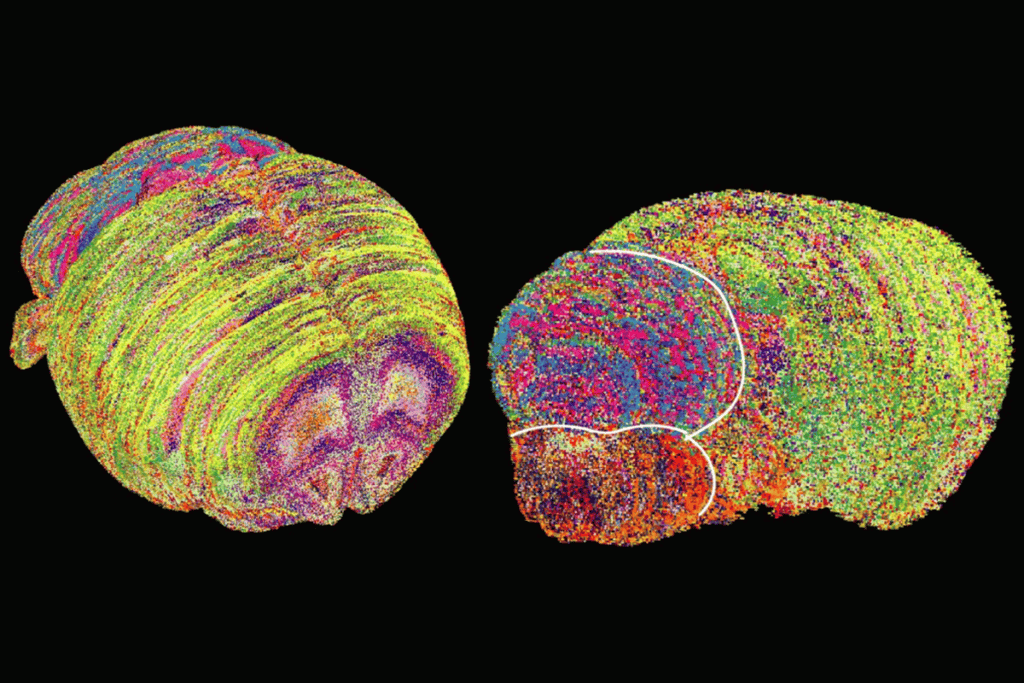
Lipids enter brain mapping limelight
Two new studies, including the first whole-brain lipid atlas in mice, uncover unforeseen complexity and influence during pregnancy and aging.
Lipids enter brain mapping limelight
Two new studies, including the first whole-brain lipid atlas in mice, uncover unforeseen complexity and influence during pregnancy and aging.
By
Lauren Schenkman
27 October 2026 | 6 min read
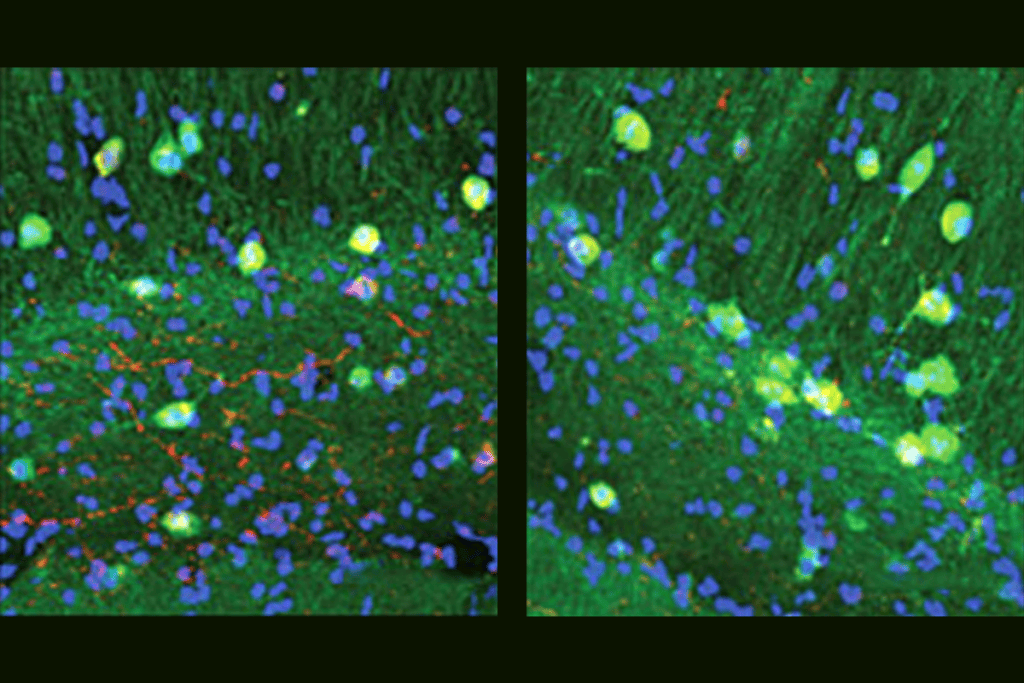
Behavioral phenomics in zebrafish; and more
Here is a roundup of autism-related news and research spotted around the web for the week of 26 October.
Behavioral phenomics in zebrafish; and more
Here is a roundup of autism-related news and research spotted around the web for the week of 26 October.
By
Jill Adams
27 October 2026 | 2 min read

Neuroscience gave AI its start. What happens now?
David Sussillo maps the two fields' divergent paths, and where they might still meet.
Neuroscience gave AI its start. What happens now?
David Sussillo maps the two fields' divergent paths, and where they might still meet.
By
Emily Singer
27 October 2026 | 10 min read