Susan Bookheimer is Joaquin Fuster Professor of Cognitive Neuroscience at the University of California, Los Angeles.

Susan Bookheimer
Professor
University of California, Los Angeles
From this contributor

Where’s the funding for translational research in autism?
A dearth of funding hobbles autism researchers’ ability to do what we can truly call translational science.
Where’s the funding for translational research in autism?
By
Susan Bookheimer
23 January 2018 | 6 min read
Explore more from The Transmitter

Creating community through grant support
Fiona Sanderson, a senior program manager at the Brain Canada Foundation, shares how she got into grant administration and how she helps connect researchers with funding and one another.
Creating community through grant support
Fiona Sanderson, a senior program manager at the Brain Canada Foundation, shares how she got into grant administration and how she helps connect researchers with funding and one another.
By
Katie Moisse
14 October 2026 | 7 min read
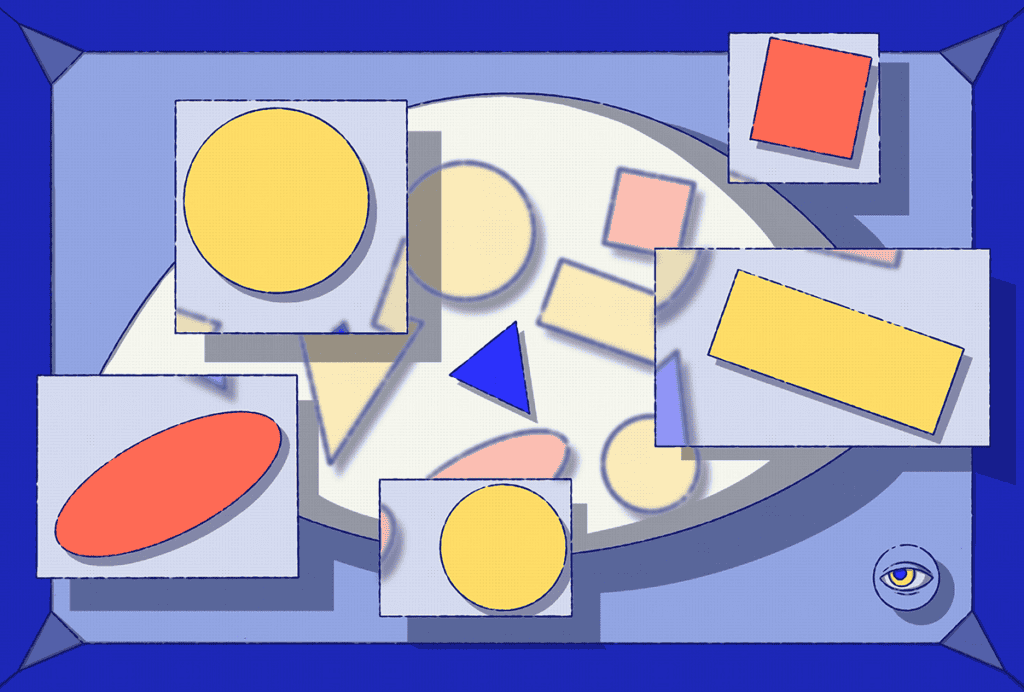
This paper changed my life: A first glimpse into the ‘middle’ of brain processing
Work by Jeffrey Moran and Robert Desimone showed that monkeys could focus their attention on different stimuli in their visual field without shifting their gaze. Their work marked a key milestone in the emergence of cognitive neuroscience.
This paper changed my life: A first glimpse into the ‘middle’ of brain processing
Work by Jeffrey Moran and Robert Desimone showed that monkeys could focus their attention on different stimuli in their visual field without shifting their gaze. Their work marked a key milestone in the emergence of cognitive neuroscience.
By
Earl K. Miller
14 October 2026 | 3 min read
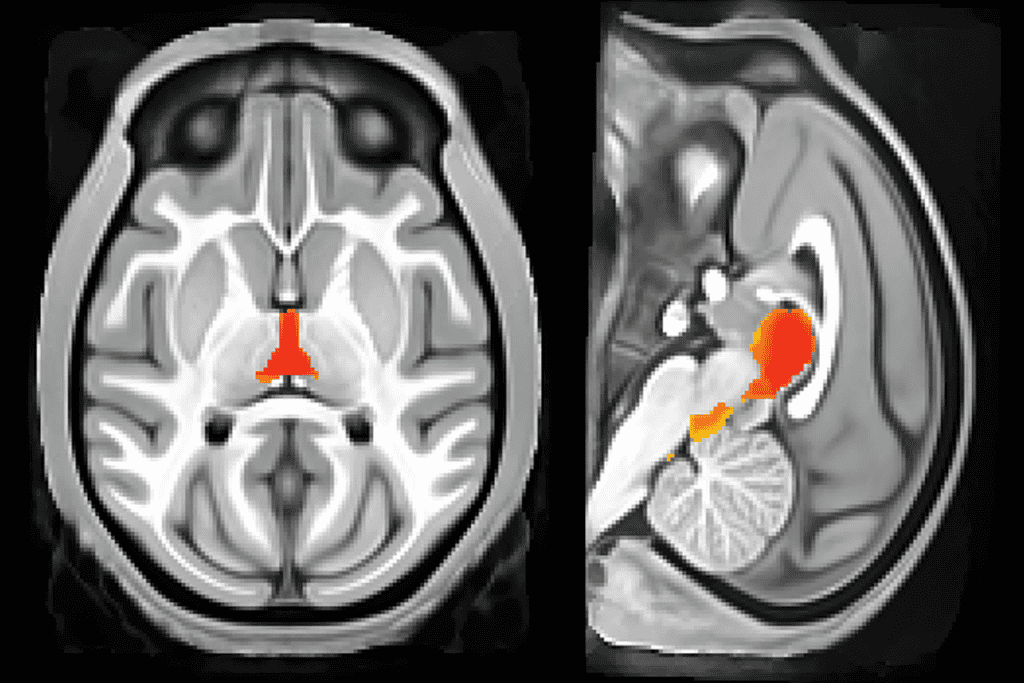
Acetaminophen effects on developing brain organoids; and more
Here is a roundup of autism-related news and research spotted around the web for the week of 12 October.
Acetaminophen effects on developing brain organoids; and more
Here is a roundup of autism-related news and research spotted around the web for the week of 12 October.
By
Jill Adams
13 October 2026 | 1 min read