Richard Drury
Photographer
From this contributor
Scientists decry conference’s use of hidden prompts to snare AI peer reviews
The invisible messages, which instruct large language models to use telltale phrases in a peer-review report, are effective in catching artificial-intelligence misuse but also erode trust, some say.
Scientists decry conference’s use of hidden prompts to snare AI peer reviews
Data duplications flagged in highly cited gut-brain studies
The duplications are a product of “inadvertent errors,” the authors say.
Data duplications flagged in highly cited gut-brain studies
Lack of reviewers threatens robustness of neuroscience literature
Simple math suggests that small groups of scientists can significantly bias peer review.
Lack of reviewers threatens robustness of neuroscience literature
Largest leucovorin-autism trial retracted
A reanalysis of the data revealed errors and failed to replicate the results.
Largest leucovorin-autism trial retracted
NIH scraps policy that classified basic research in people as clinical trials
The policy aimed to increase the transparency of research in humans but created “a bureaucratic nightmare” for basic neuroscientists.
NIH scraps policy that classified basic research in people as clinical trials
Explore more from The Transmitter
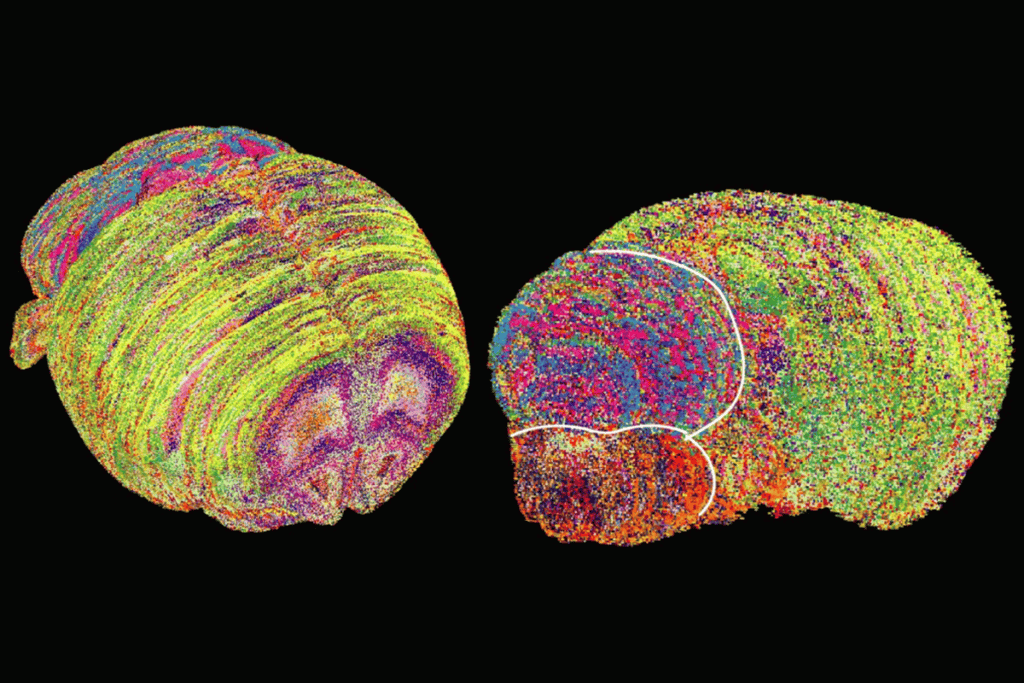
Lipids enter brain mapping limelight
Two new studies, including the first whole-brain lipid atlas in mice, uncover unforeseen complexity and influence during pregnancy and aging.
Lipids enter brain mapping limelight
Two new studies, including the first whole-brain lipid atlas in mice, uncover unforeseen complexity and influence during pregnancy and aging.
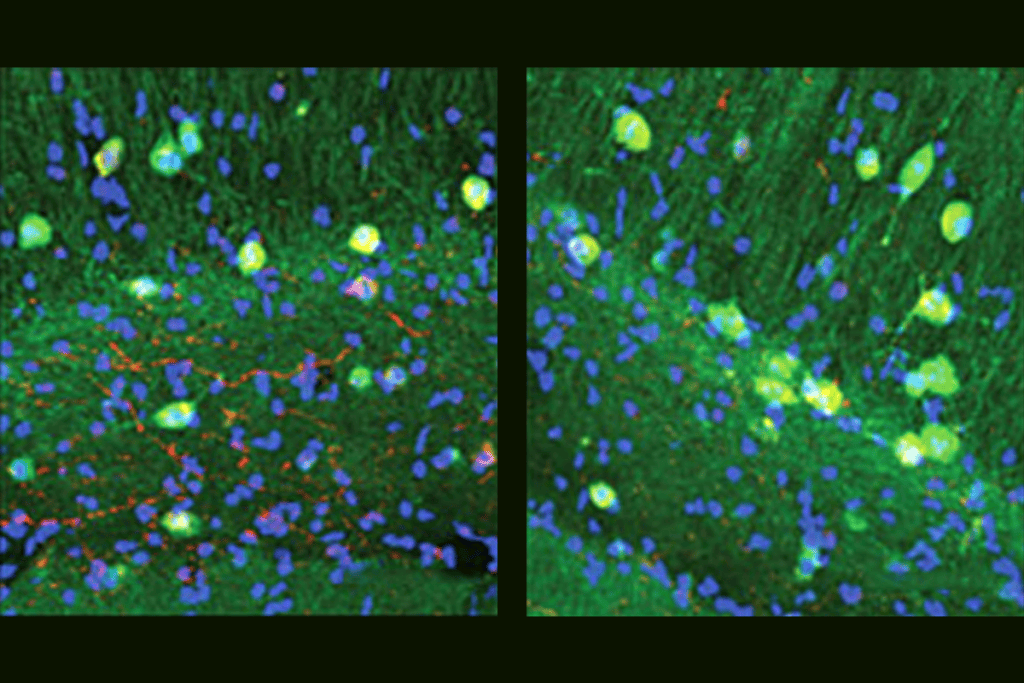
Behavioral phenomics in zebrafish; and more
Here is a roundup of autism-related news and research spotted around the web for the week of 26 October.
Behavioral phenomics in zebrafish; and more
Here is a roundup of autism-related news and research spotted around the web for the week of 26 October.
Neuroscience gave AI its start. What happens now?
David Sussillo maps the two fields' divergent paths, and where they might still meet.
Neuroscience gave AI its start. What happens now?
David Sussillo maps the two fields' divergent paths, and where they might still meet.