Matthew Maenner is surveillance team lead for the National Center on Birth Defects and Developmental Disabilities at the U.S. Centers for Disease Control and Prevention.

Matthew Maenner
Surveillance team lead
National Center on Birth Defects and Developmental Disabilities
From this contributor

Q&A with Matthew Maenner: Estimating autism prevalence quickly
A new method to track autism prevalence in 11 U.S. states is twice as fast as the old approach — and yields similar results.
Q&A with Matthew Maenner: Estimating autism prevalence quickly
By
Peter Hess
13 July 2021 | 6 min read
Explore more from The Transmitter
The relationship between structure and function in cortical networks
Michael Reimann explains how the shape of neurons puts strong constraints on how they are wired in a network, and how this affects their structure-function relationships.
The relationship between structure and function in cortical networks
Michael Reimann explains how the shape of neurons puts strong constraints on how they are wired in a network, and how this affects their structure-function relationships.
By
Gaute Einevoll
28 October 2026 | 1 min read
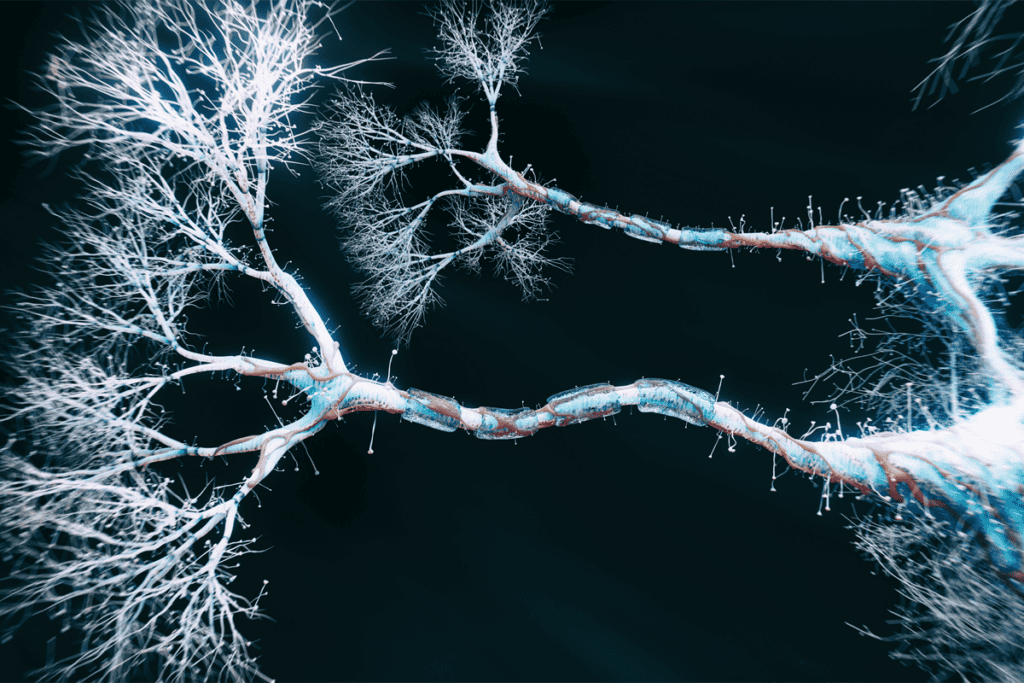
How brains prevent ‘catastrophic forgetting’
Dendrite-specific inhibition lets overlapping neuronal assemblies form across brain areas without erasing existing memories, a new modeling study suggests.
How brains prevent ‘catastrophic forgetting’
Dendrite-specific inhibition lets overlapping neuronal assemblies form across brain areas without erasing existing memories, a new modeling study suggests.
By
Natalia Mesa
28 October 2026 | 6 min read
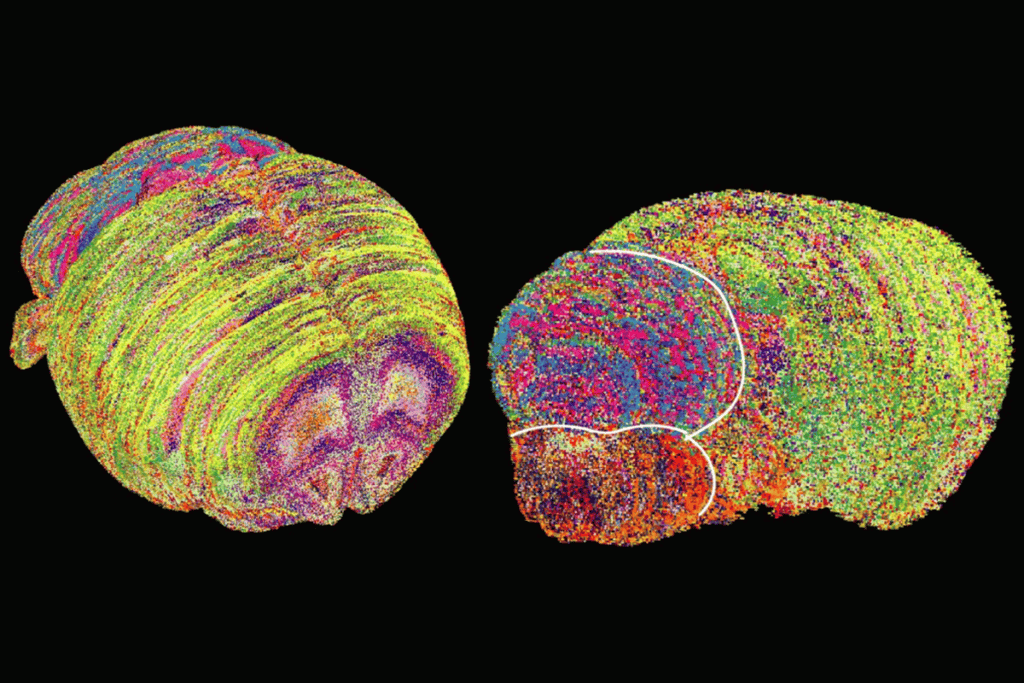
Lipids enter brain mapping limelight
Two new studies, including the first whole-brain lipid atlas in mice, uncover unforeseen complexity and influence during pregnancy and aging.
Lipids enter brain mapping limelight
Two new studies, including the first whole-brain lipid atlas in mice, uncover unforeseen complexity and influence during pregnancy and aging.
By
Lauren Schenkman
27 October 2026 | 6 min read