Marta Zaraska is a freelance science journalist whose work has appeared in The Washington Post, Scientific American and The Boston Globe, among other publications. She has written two literary novels and contributed to two travel books published by National Geographic. Her nonfiction book “Meathooked: The History and Science of Our 2.5-Million-Year Obsession With Meat,” was published in 2016 by Basic Books and chosen by Nature as one of “the best science picks” in March 2016.

Marta Zaraska
From this contributor
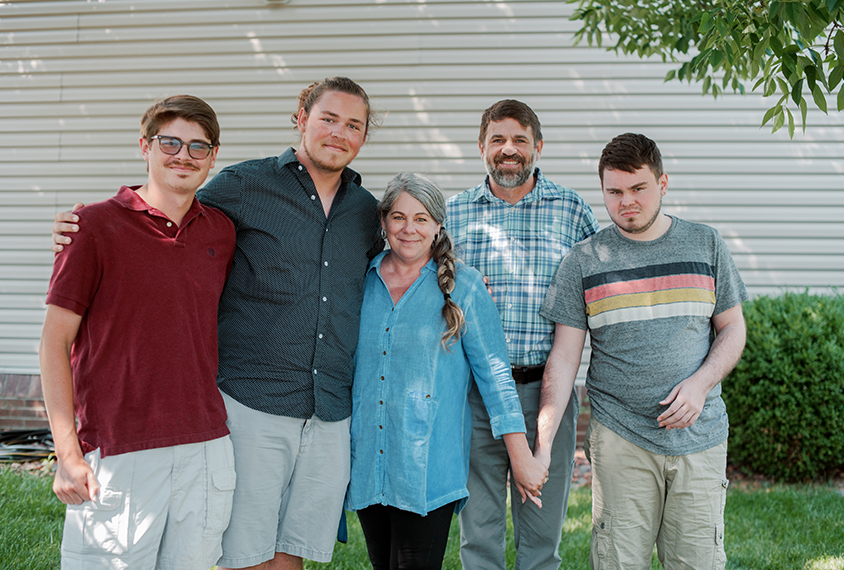
Moving for autism care
Disparities in state services for autism are driving families to relocate. But not everyone can afford to move, and others find that their new home also has faults.
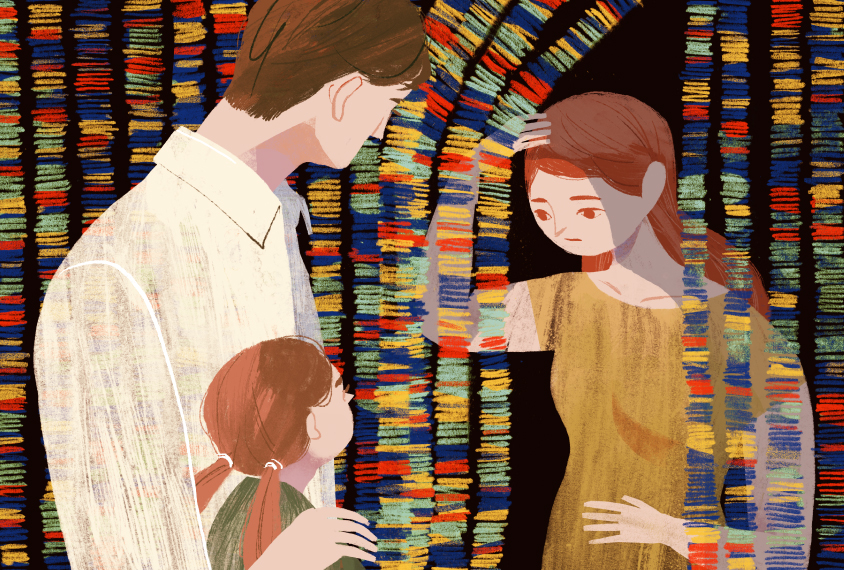
The problems with prenatal testing for autism
As prenatal testing improves, it presents a host of thorny issues — from what to test and how to interpret the results, to what to do about them.
The problems with prenatal testing for autism
By
Marta Zaraska
14 August 2019 | 12 min read

Europe’s race to ramp up genetic tests for autism
Many countries in Europe are reckoning with the growing demand for genetic tests for autistic people — and the accompanying ethical and scientific considerations.
Europe’s race to ramp up genetic tests for autism
By
Marta Zaraska
13 February 2019 | 14 min read

France faces down its outdated notions about autism
After lagging behind other countries for decades, France is working on a new national plan for autism.
France faces down its outdated notions about autism
By
Marta Zaraska
10 January 2018 | 18 min read
Explore more from The Transmitter
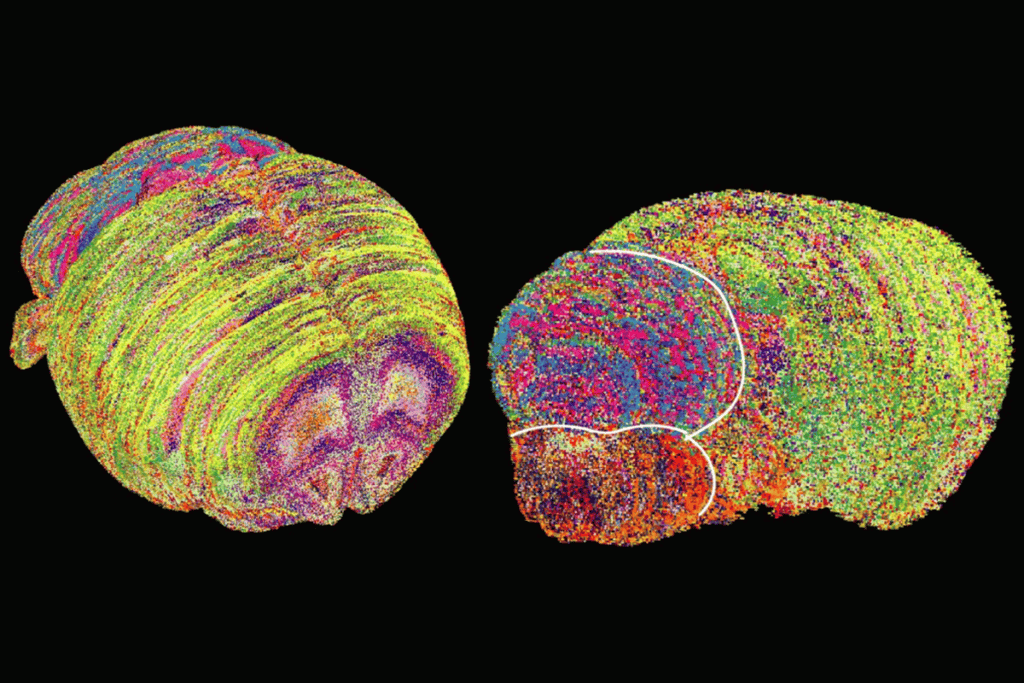
Lipids enter brain mapping limelight
Two new studies, including the first whole-brain lipid atlas in mice, uncover unforeseen complexity and influence during pregnancy and aging.
Lipids enter brain mapping limelight
Two new studies, including the first whole-brain lipid atlas in mice, uncover unforeseen complexity and influence during pregnancy and aging.
By
Lauren Schenkman
27 October 2026 | 6 min read
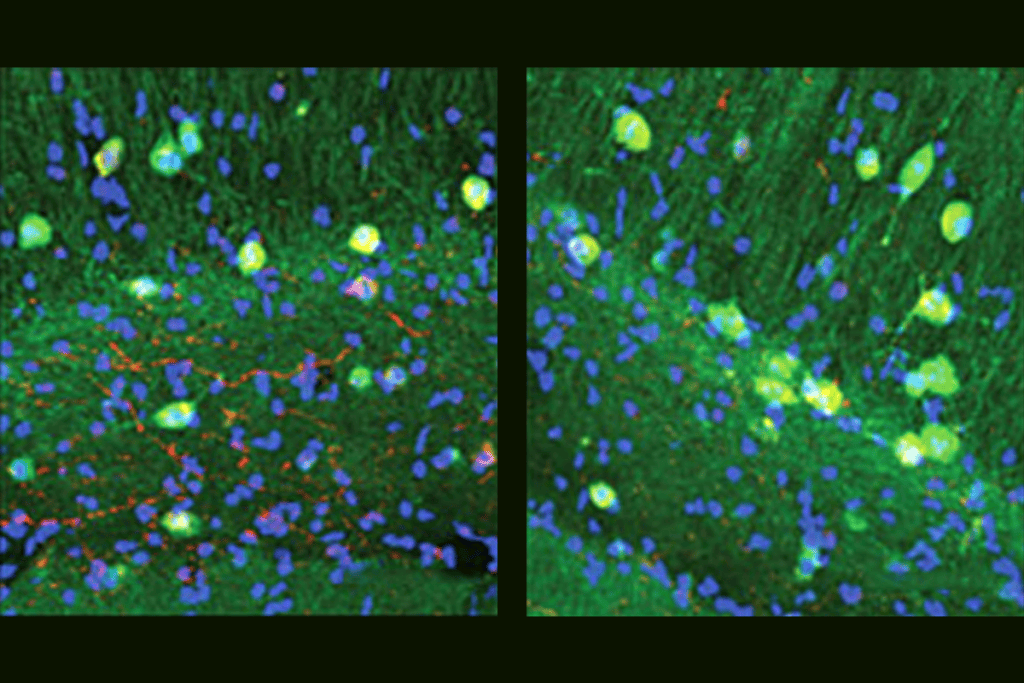
Behavioral phenomics in zebrafish; and more
Here is a roundup of autism-related news and research spotted around the web for the week of 26 October.
Behavioral phenomics in zebrafish; and more
Here is a roundup of autism-related news and research spotted around the web for the week of 26 October.
By
Jill Adams
27 October 2026 | 2 min read

Neuroscience gave AI its start. What happens now?
David Sussillo maps the two fields' divergent paths, and where they might still meet.
Neuroscience gave AI its start. What happens now?
David Sussillo maps the two fields' divergent paths, and where they might still meet.
By
Emily Singer
27 October 2026 | 10 min read