Liana Marks works at Milestones, a nonprofit in Northampton, MA, teaching sexuality classes for adults. She has contributed to Whole Selves (www.wholeselves.org/), a healthy relationships curriculum for students with intellectual disabilities and autism.
Liana Marks
Teacher
Milestones
From this contributor
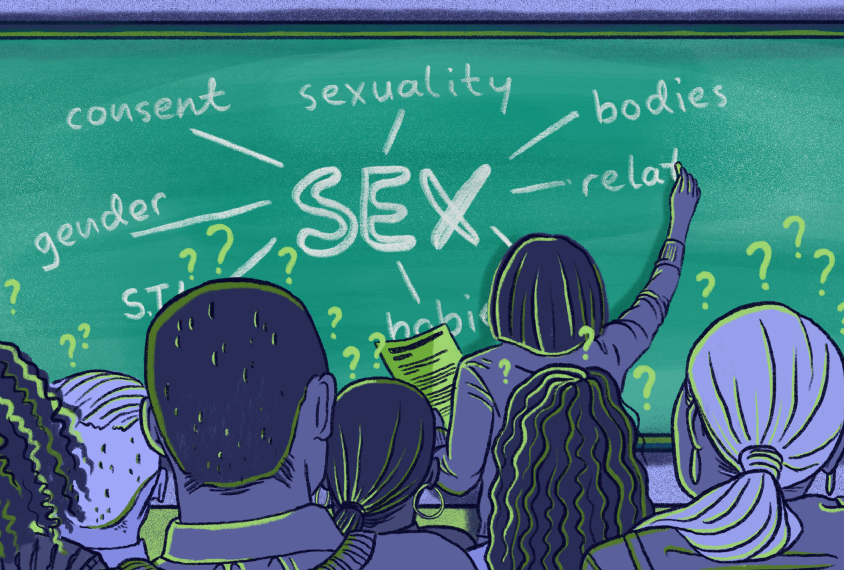
Why adults with autism need sex education
Too few students with autism or intellectual disabilities have sex education. That omission may prevent them from forming fulfilling romantic relationships, and it may make them targets of abuse.
Explore more from The Transmitter
Commentary: Citation graphs may underestimate neuroscience’s influence on AI
An alternative, albeit less quantitative, way to trace this history is through the people who carried ideas between the fields.
Commentary: Citation graphs may underestimate neuroscience’s influence on AI
An alternative, albeit less quantitative, way to trace this history is through the people who carried ideas between the fields.
By
Anthony Zador
26 October 2026 | 5 min read
Commentary: The rising absolute number of neuro-inspired AI papers represents a substantial footprint
Many of the design choices present in the current generation of artificial-intelligence tools parallel purported properties of the brain.
Commentary: The rising absolute number of neuro-inspired AI papers represents a substantial footprint
Many of the design choices present in the current generation of artificial-intelligence tools parallel purported properties of the brain.
By
Kim Stachenfeld
26 October 2026 | 2 min read
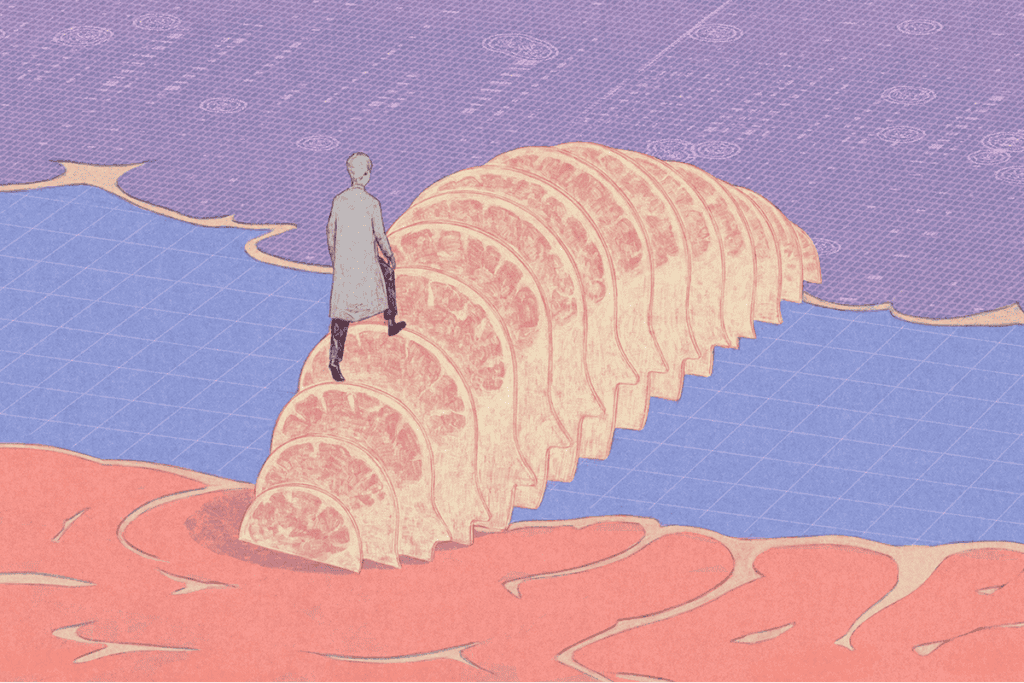
Examining the bridge between neuroscience and AI
A citation analysis reveals that the connection between the two fields is real and gaining momentum. But it’s also narrow and tool-heavy; we need to find ways to widen it.
Examining the bridge between neuroscience and AI
A citation analysis reveals that the connection between the two fields is real and gaining momentum. But it’s also narrow and tool-heavy; we need to find ways to widen it.
By
Renato Duarte
26 October 2026 | 12 min read