Jen Monnier is an intern at Spectrum. She is a journalist in New York City, covering medicine, technology and ecosystems. She’s also a graduate student at New York University’s Science, Health and Environmental Reporting program.
Jen Monnier
From this contributor
Early interventions, explained
The accepted wisdom in autism research holds that early intervention offers the best promise for an autistic child’s well-being. But how effective are these therapies?
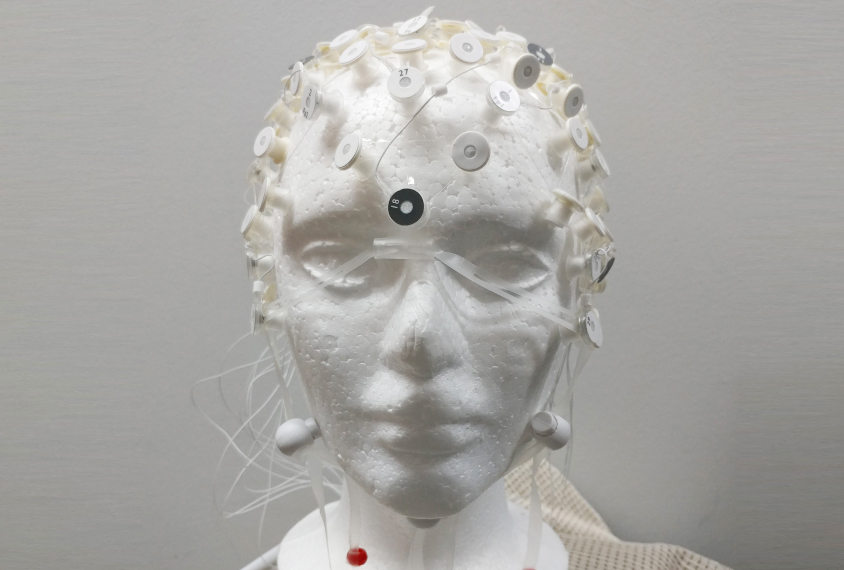
Multipart device monitors various senses in babies
A new assemblage of tools precisely gauges a baby’s biological response to sights, sounds and tactile stimuli all at once.
Multipart device monitors various senses in babies
By
Jen Monnier
17 August 2018 | 2 min read
New consortium may create projects, funding for autism research
A newly formed group of leaders from the U.S. National Institutes of Health (NIH) is poised to generate funding opportunities for child health research, including autism science.
New consortium may create projects, funding for autism research
By
Jen Monnier
2 August 2018 | 3 min read
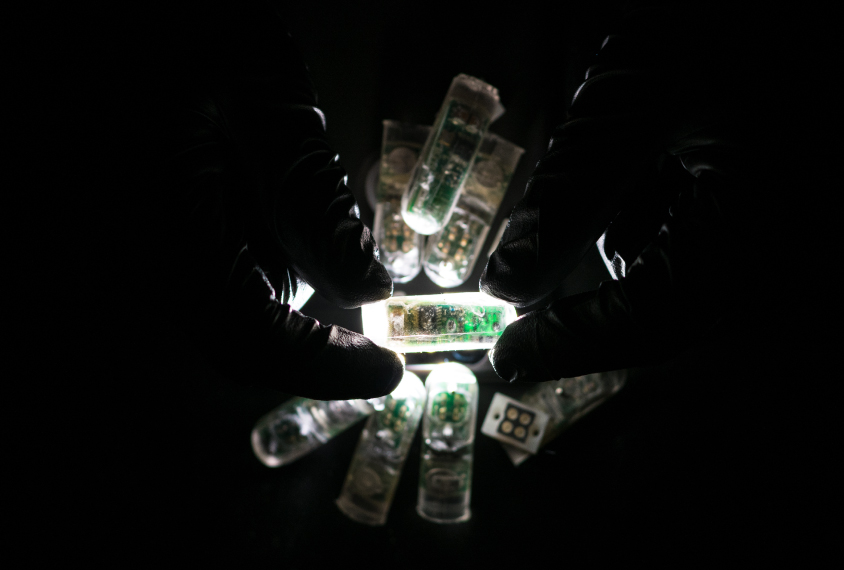
Glowing capsule illuminates problems in gut
An ingestible electronic capsule enables researchers to instantaneously detect molecules associated with gastrointestinal issues.
Explore more from The Transmitter
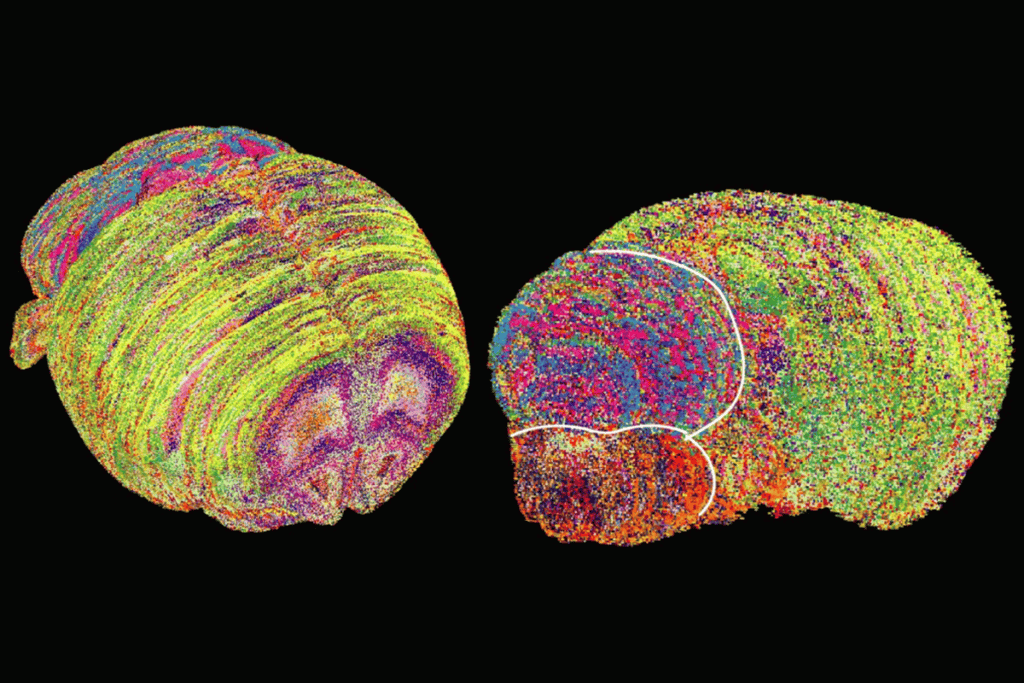
Lipids enter brain mapping limelight
Two new studies, including the first whole-brain lipid atlas in mice, uncover unforeseen complexity and influence during pregnancy and aging.
Lipids enter brain mapping limelight
Two new studies, including the first whole-brain lipid atlas in mice, uncover unforeseen complexity and influence during pregnancy and aging.
By
Lauren Schenkman
27 October 2026 | 6 min read
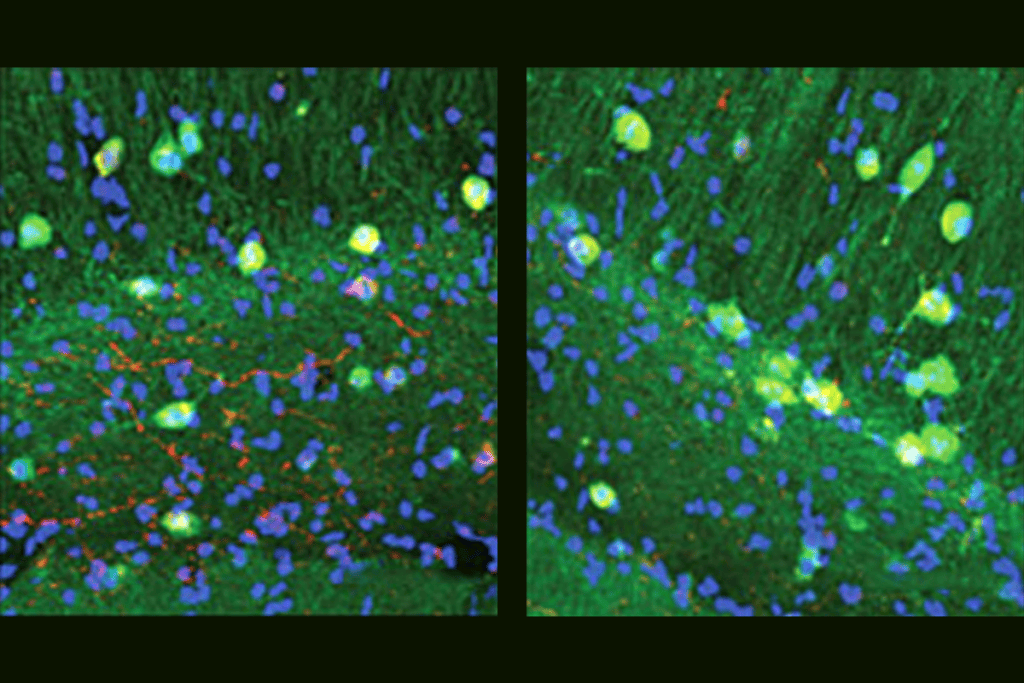
Behavioral phenomics in zebrafish; and more
Here is a roundup of autism-related news and research spotted around the web for the week of 26 October.
Behavioral phenomics in zebrafish; and more
Here is a roundup of autism-related news and research spotted around the web for the week of 26 October.
By
Jill Adams
27 October 2026 | 2 min read
Neuroscience gave AI its start. What happens now?
David Sussillo maps the two fields' divergent paths, and where they might still meet.
Neuroscience gave AI its start. What happens now?
David Sussillo maps the two fields' divergent paths, and where they might still meet.
By
Emily Singer
27 October 2026 | 10 min read