Itziar Barrios
Illustrator
From this contributor
Year in Review: Spectrum’s best in 2023
Here are five must-reads from our coverage of autism research over the past 12 months.
Letter to the editor: Researchers must bridge disconnect at ‘autism crossroads’
Two groups of researchers respond to Spectrum’s article about the power struggle among researchers, self-advocates and families, calling on their autistic and non-autistic colleagues to work collaboratively and promote equity in autism research.
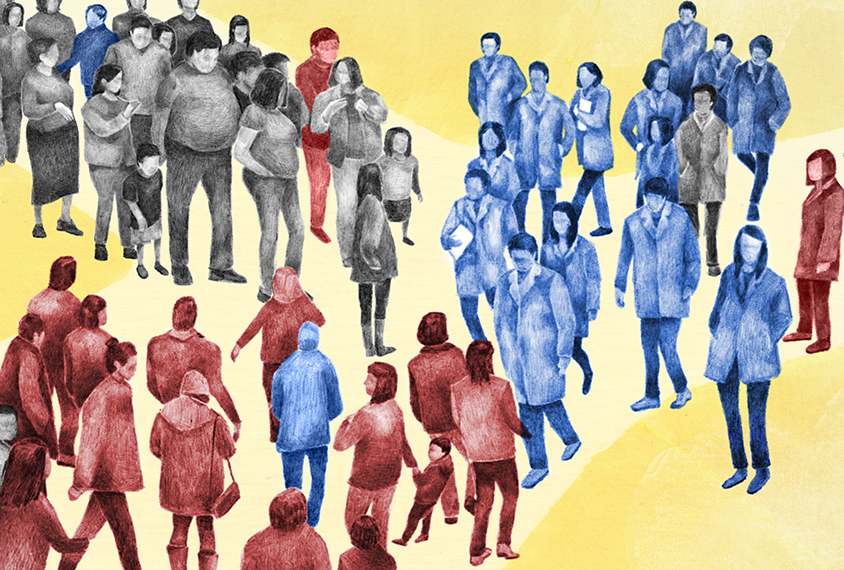
Autism research at the crossroads
The power struggle between researchers, autistic self-advocates and parents is threatening progress across the field.
Explore more from The Transmitter
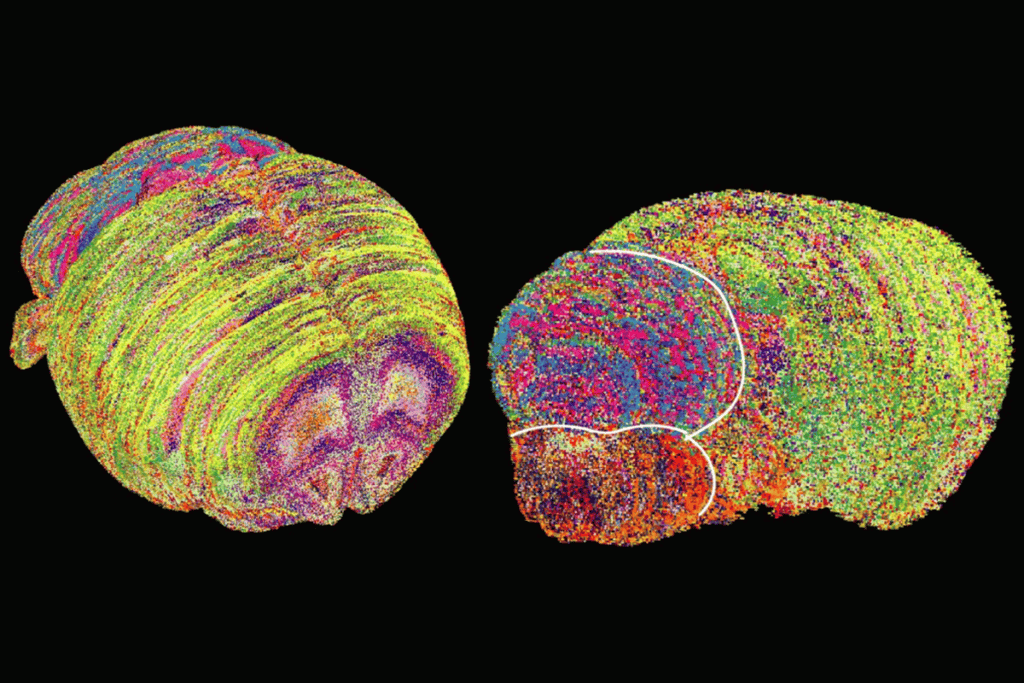
Lipids enter brain mapping limelight
Two new studies, including the first whole-brain lipid atlas in mice, uncover unforeseen complexity and influence during pregnancy and aging.
Lipids enter brain mapping limelight
Two new studies, including the first whole-brain lipid atlas in mice, uncover unforeseen complexity and influence during pregnancy and aging.
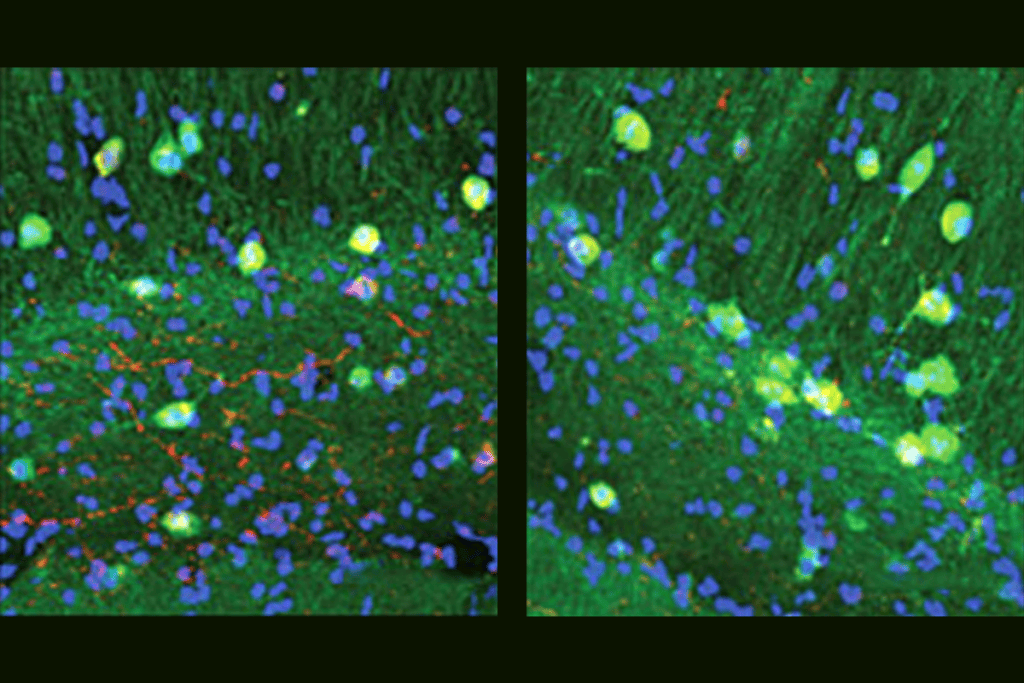
Behavioral phenomics in zebrafish; and more
Here is a roundup of autism-related news and research spotted around the web for the week of 26 October.
Behavioral phenomics in zebrafish; and more
Here is a roundup of autism-related news and research spotted around the web for the week of 26 October.
Neuroscience gave AI its start. What happens now?
David Sussillo maps the two fields' divergent paths, and where they might still meet.
Neuroscience gave AI its start. What happens now?
David Sussillo maps the two fields' divergent paths, and where they might still meet.