Hilde Geurts is professor of clinical neuropsychology at the University of Amsterdam in the Netherlands and senior researcher in the autism clinic of Leo Kannerhuis.

Hilde Geurts
Professor
University of Amsterdam
From this contributor

Validating autism subtypes: A crucial but often overlooked step in research
Studies of autism subtypes rarely validate their results, and this has led to a proliferation of autism subtypes of questionable utility. But reliable subtyping can help improve the prognosis for and care of autistic people.
Validating autism subtypes: A crucial but often overlooked step in research
By
Hilde Geurts, Joost Agelink van Rentergem
31 August 2021 | 5 min read
Explore more from The Transmitter
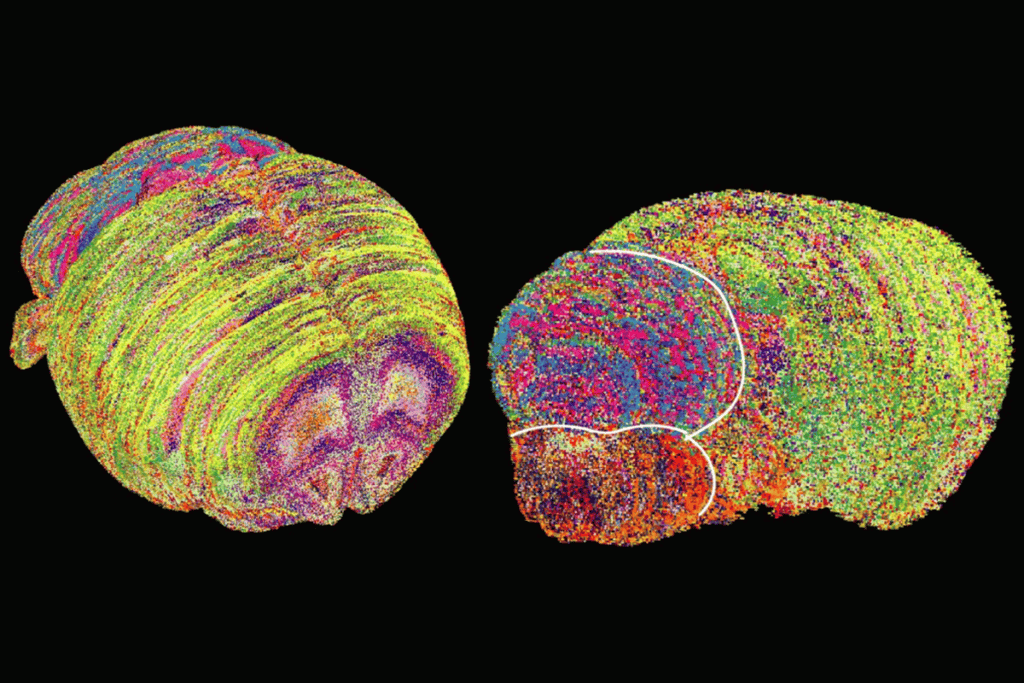
Lipids enter brain mapping limelight
Two new studies, including the first whole-brain lipid atlas in mice, uncover unforeseen complexity and influence during pregnancy and aging.
Lipids enter brain mapping limelight
Two new studies, including the first whole-brain lipid atlas in mice, uncover unforeseen complexity and influence during pregnancy and aging.
By
Lauren Schenkman
27 October 2026 | 6 min read
Behavioral phenomics in zebrafish; and more
Here is a roundup of autism-related news and research spotted around the web for the week of 26 October.
Behavioral phenomics in zebrafish; and more
Here is a roundup of autism-related news and research spotted around the web for the week of 26 October.
By
Jill Adams
27 October 2026 | 2 min read

Neuroscience gave AI its start. What happens now?
David Sussillo maps the two fields' divergent paths, and where they might still meet.
Neuroscience gave AI its start. What happens now?
David Sussillo maps the two fields' divergent paths, and where they might still meet.
By
Emily Singer
27 October 2026 | 10 min read