Evdokia Anagnostou is a child neurologist and senior scientist at Holland Bloorview Kids Rehabilitation Hospital in Toronto, Canada. She is also professor of pediatrics at the University of Toronto.
Evdokia Anagnostou
Senior scientist
Holland Bloorview Kids Rehabilitation Hospital
From this contributor

Social perception problems cut across disorders
The ability to recognize emotions varies along a continuum that spans autism, attention deficit hyperactivity disorder and obsessive-compulsive disorder.
Social perception problems cut across disorders
By
Danielle Baribeau, Evdokia Anagnostou
29 September 2015 | 5 min read
Frontline diagnosis of autism
Targeted training opportunities and comprehensive guidelines can help community physicians diagnose many cases of autism, say Evdokia Anagnostou and Jessica Brian.
Frontline diagnosis of autism
By
Evdokia Anagnostou, Jessica Brian
11 March 2014 | 3 min read
Explore more from The Transmitter
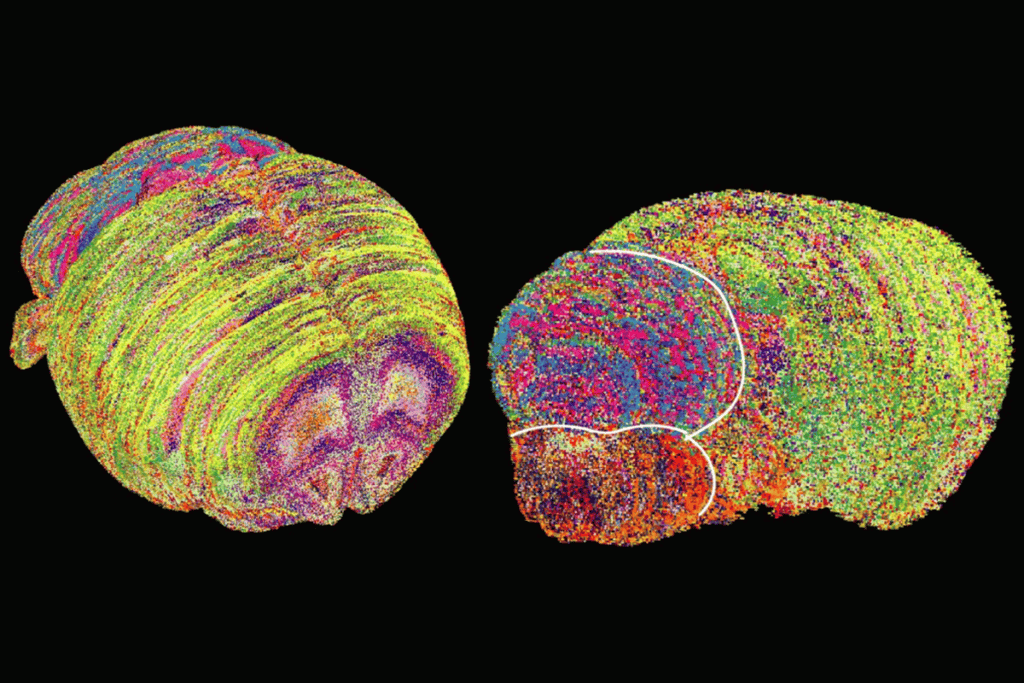
Lipids enter brain mapping limelight
Two new studies, including the first whole-brain lipid atlas in mice, uncover unforeseen complexity and influence during pregnancy and aging.
Lipids enter brain mapping limelight
Two new studies, including the first whole-brain lipid atlas in mice, uncover unforeseen complexity and influence during pregnancy and aging.
By
Lauren Schenkman
27 October 2026 | 6 min read
Behavioral phenomics in zebrafish; and more
Here is a roundup of autism-related news and research spotted around the web for the week of 26 October.
Behavioral phenomics in zebrafish; and more
Here is a roundup of autism-related news and research spotted around the web for the week of 26 October.
By
Jill Adams
27 October 2026 | 2 min read

Neuroscience gave AI its start. What happens now?
David Sussillo maps the two fields' divergent paths, and where they might still meet.
Neuroscience gave AI its start. What happens now?
David Sussillo maps the two fields' divergent paths, and where they might still meet.
By
Emily Singer
27 October 2026 | 10 min read