Dalbert B. Vilarino
Illustrator
From this contributor
Bringing basic biology back to INSAR
As the International Society for Autism Research has grown over the past two decades, basic science has become less central, Christine Wu Nordahl says. This year, she and other meeting organizers aimed to change that.
To understand decision-making, we need to truly challenge lab animals
Complex, multidimensional tasks that unfold over time could reveal how different brain areas work together to support decisions.
To understand decision-making, we need to truly challenge lab animals
From reductionism to dynamical systems: How two books influenced my thinking across 30 years of neuroscience
Nicole Rust describes her career-changing literary journey of joy, free will and the evolution of a field.
How did consciousness evolve? An excerpt from ‘A History of Bodies, Brains, and Minds: The Evolution of Life and Consciousness’
In his new book, to be published in September, neuroscientist Francisco Aboitiz links consciousness back to the earliest days of biological life.
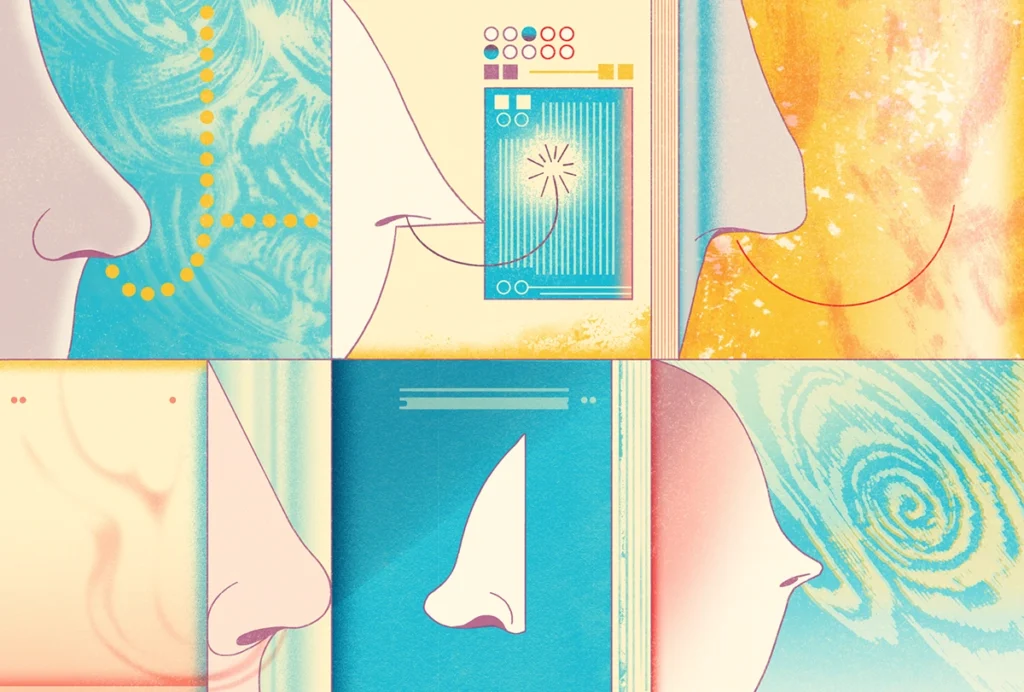
Consciously smelling—an edited excerpt from ‘Stinking Philosophy! Smell Perception, Cognition, and Consciousness’
In his new book, published earlier this month, Benjamin Young tackles the debates and central questions surrounding olfactory perception, cognition and consciousness.
Consciously smelling—an edited excerpt from ‘Stinking Philosophy! Smell Perception, Cognition, and Consciousness’
Explore more from The Transmitter
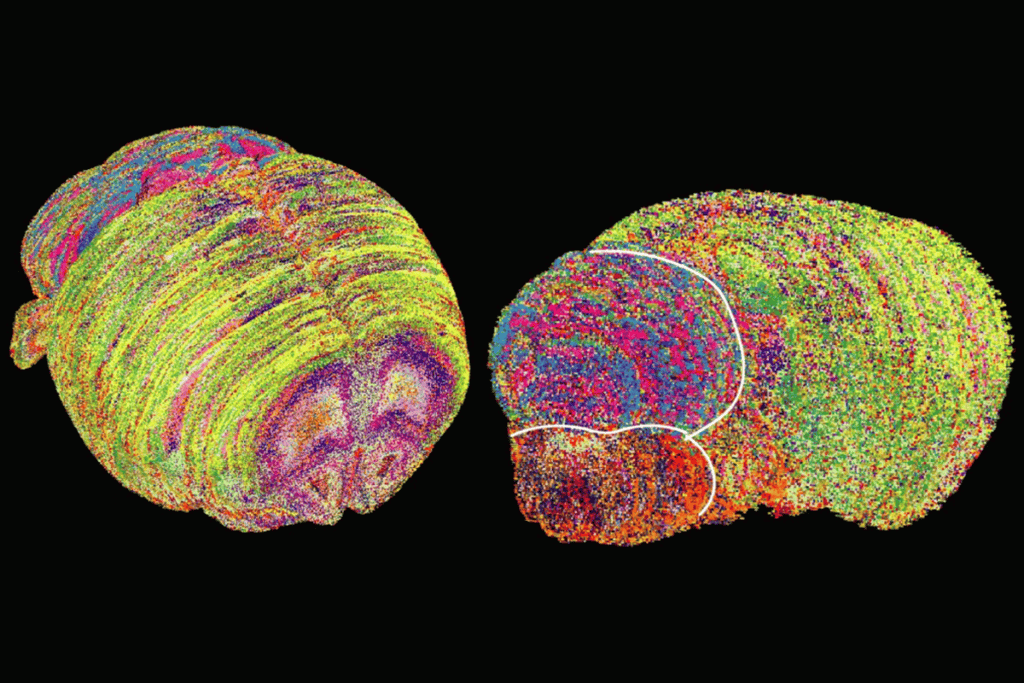
Lipids enter brain mapping limelight
Two new studies, including the first whole-brain lipid atlas in mice, uncover unforeseen complexity and influence during pregnancy and aging.
Lipids enter brain mapping limelight
Two new studies, including the first whole-brain lipid atlas in mice, uncover unforeseen complexity and influence during pregnancy and aging.
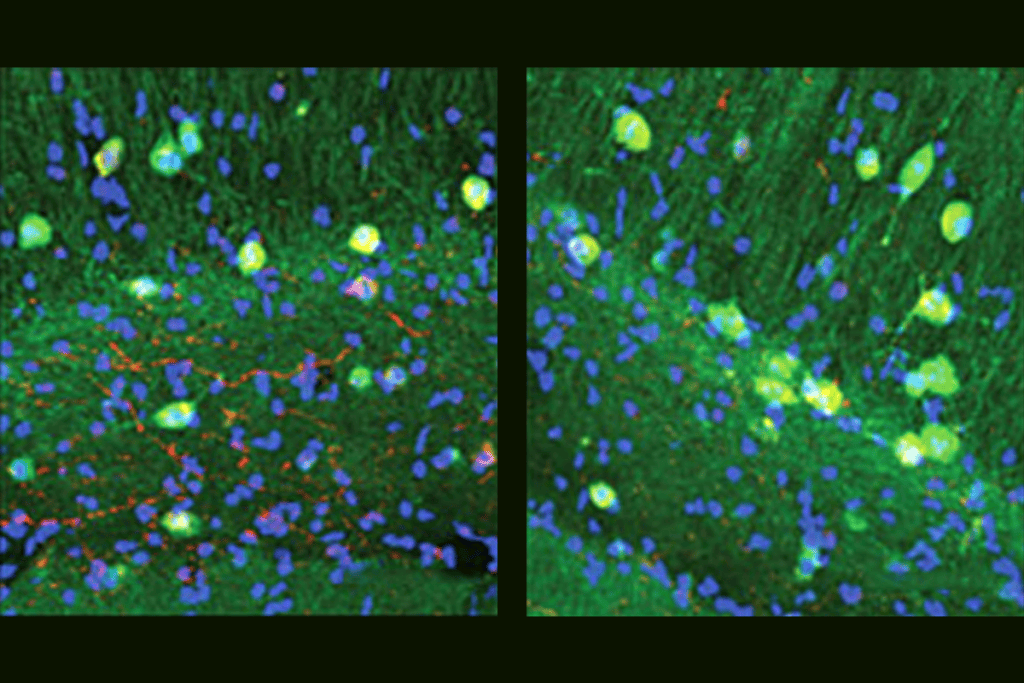
Behavioral phenomics in zebrafish; and more
Here is a roundup of autism-related news and research spotted around the web for the week of 26 October.
Behavioral phenomics in zebrafish; and more
Here is a roundup of autism-related news and research spotted around the web for the week of 26 October.
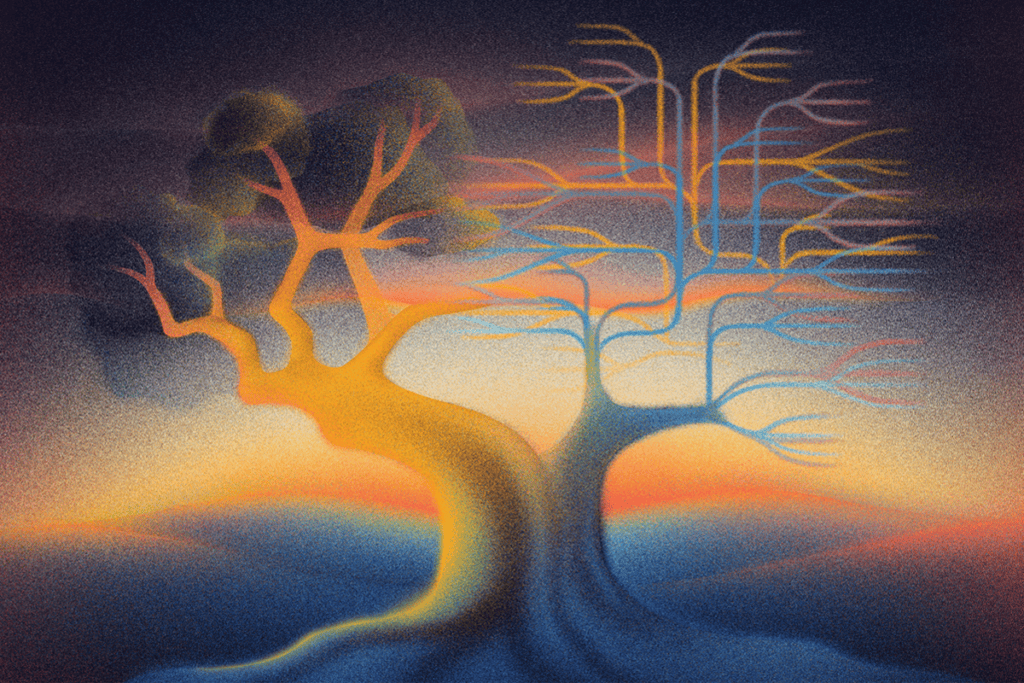
Neuroscience gave AI its start. What happens now?
David Sussillo maps the two fields' divergent paths, and where they might still meet.
Neuroscience gave AI its start. What happens now?
David Sussillo maps the two fields' divergent paths, and where they might still meet.