Ari Ne’eman
President and Co-founder
Autistic Self Advocacy Network
From this contributor
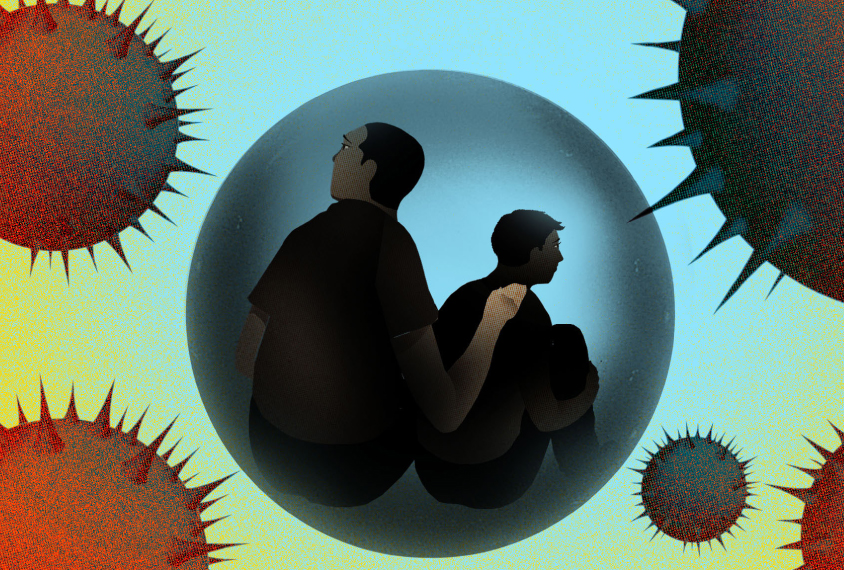
How governments should maintain disability services during the pandemic
People with disabilities are at increased risk of medical and other complications from coronavirus infection. There is a lot that governments can do to help them.
How governments should maintain disability services during the pandemic
Questions for Ari Ne’eman: Partnering with participants
Autistic adults should be partners in the research process, not just ‘subjects’ in a study, says Ari Ne’eman.
Questions for Ari Ne’eman: Partnering with participants
Will new DSM-5 autism criteria impact services?
The newest edition of the Diagnostic and Statistical Manual of Mental Disorders is an imperfect document, but it is far from the calamity that many have accused it of being, says Ari Ne’eman.
Explore more from The Transmitter
Commentary: Citation graphs may underestimate neuroscience’s influence on AI
An alternative, albeit less quantitative, way to trace this history is through the people who carried ideas between the fields.
Commentary: Citation graphs may underestimate neuroscience’s influence on AI
An alternative, albeit less quantitative, way to trace this history is through the people who carried ideas between the fields.
Commentary: The rising absolute number of neuro-inspired AI papers represents a substantial footprint
Many of the design choices present in the current generation of artificial-intelligence tools parallel purported properties of the brain.
Commentary: The rising absolute number of neuro-inspired AI papers represents a substantial footprint
Many of the design choices present in the current generation of artificial-intelligence tools parallel purported properties of the brain.
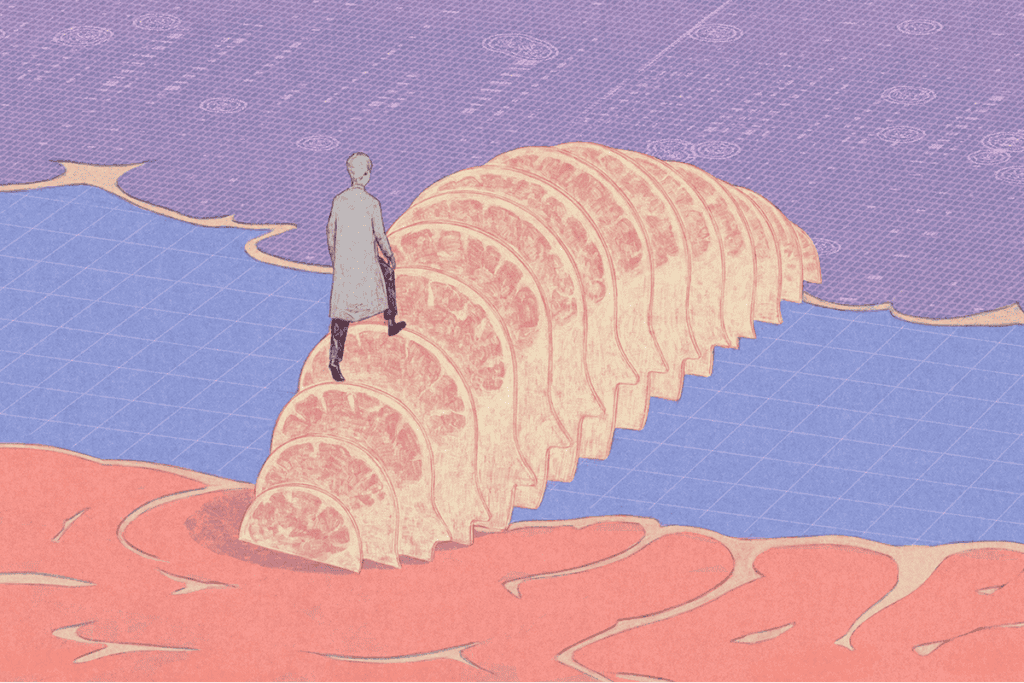
Examining the bridge between neuroscience and AI
A citation analysis reveals that the connection between the two fields is real and gaining momentum. But it’s also narrow and tool-heavy; we need to find ways to widen it.
Examining the bridge between neuroscience and AI
A citation analysis reveals that the connection between the two fields is real and gaining momentum. But it’s also narrow and tool-heavy; we need to find ways to widen it.