Andrea Anderson
Freelance Writer
SFARI
From this contributor

Aging fathers, selfish testes and neurocognitive disorders
Certain mutations may hijack the normal mechanisms of sperm production, leading to an enrichment of mutant sperm in older fathers, and to the paternal-age effect in autism.
Aging fathers, selfish testes and neurocognitive disorders
Exploring sleep in children with autism
Many children with autism have problems with sleep, which can worsen symptoms of the disorder. A better understanding of sleep in autism may help reveal the mechanisms of autism and point to potential treatments, say Ruth O'Hara and Michelle Primeau.
Exploring sleep in children with autism
A global vision for autism with community solutions
A global approach to understanding autism that respects the uniqueness of different communities is not a choice, but a necessity, says Mayada Elsabbagh.
A global vision for autism with community solutions
Amygdala and autism’s checkered history
To understand the amygdala’s role in autism, researchers should study its connections with other brain structures and explore its role in development, says Ralph Adolphs.
Small pieces of RNA may pave path to autism
The discovery of microRNAs that regulate gene expression has changed our view of cellular biochemistry. It may also change our perception of neuropsychiatric disorders such as autism, says Peng Jin.
Explore more from The Transmitter
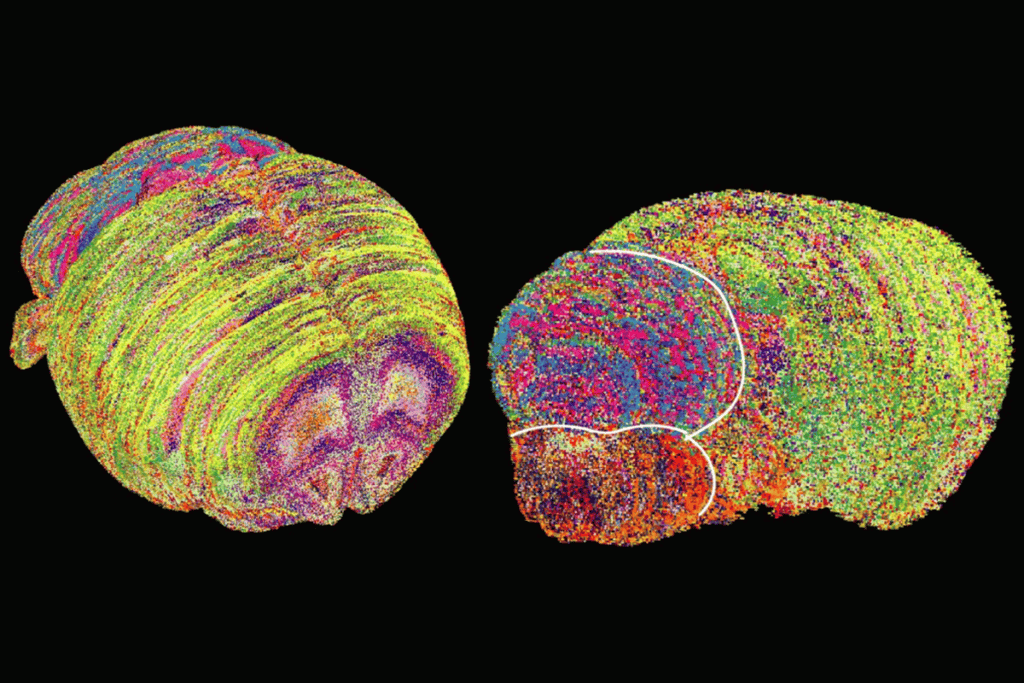
Lipids enter brain mapping limelight
Two new studies, including the first whole-brain lipid atlas in mice, uncover unforeseen complexity and influence during pregnancy and aging.
Lipids enter brain mapping limelight
Two new studies, including the first whole-brain lipid atlas in mice, uncover unforeseen complexity and influence during pregnancy and aging.
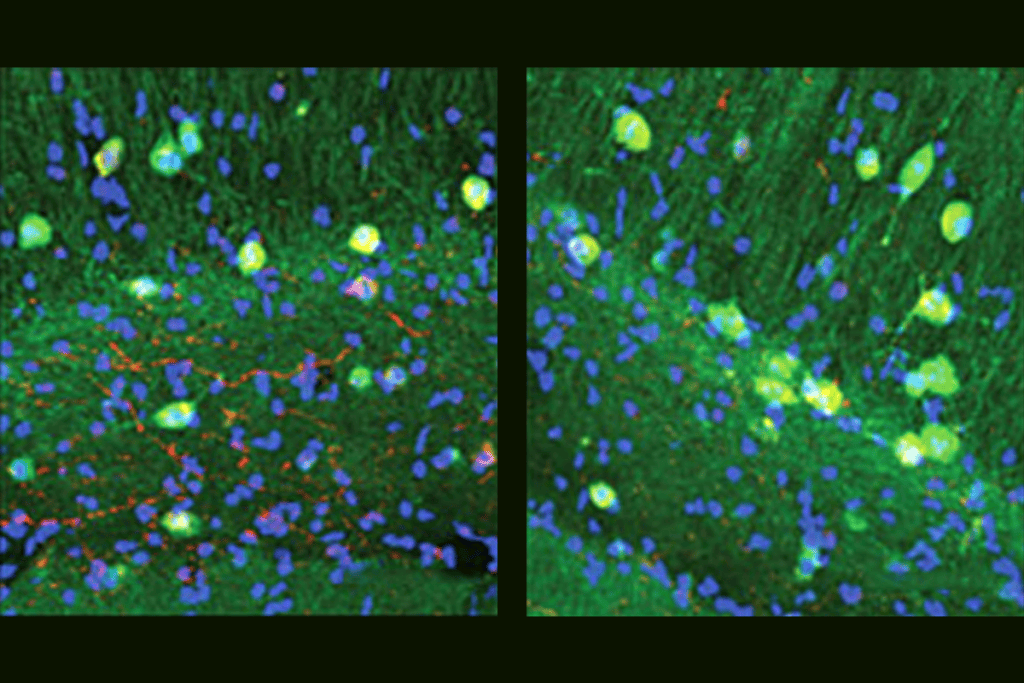
Behavioral phenomics in zebrafish; and more
Here is a roundup of autism-related news and research spotted around the web for the week of 26 October.
Behavioral phenomics in zebrafish; and more
Here is a roundup of autism-related news and research spotted around the web for the week of 26 October.
Neuroscience gave AI its start. What happens now?
David Sussillo maps the two fields' divergent paths, and where they might still meet.
Neuroscience gave AI its start. What happens now?
David Sussillo maps the two fields' divergent paths, and where they might still meet.