Amy Yee is an award-winning journalist whose articles have appeared in The New York Times, The Economist, The Wall Street Journal, The Washington Post, on NPR and in other publications. She is a former correspondent for The Financial Times, based in India and New York. Her article about climate change in the Sundarbans mangrove forest of Bangladesh was a Notable Essay in The Best American Essays 2015.
Amy Yee
Freelance Writer
Spectrum
From this contributor

Autism’s full spectrum
Minority families often miss out on treatment or get left out of research — an ethical failure. New projects are illuminating autism’s diverse shades.
Explore more from The Transmitter
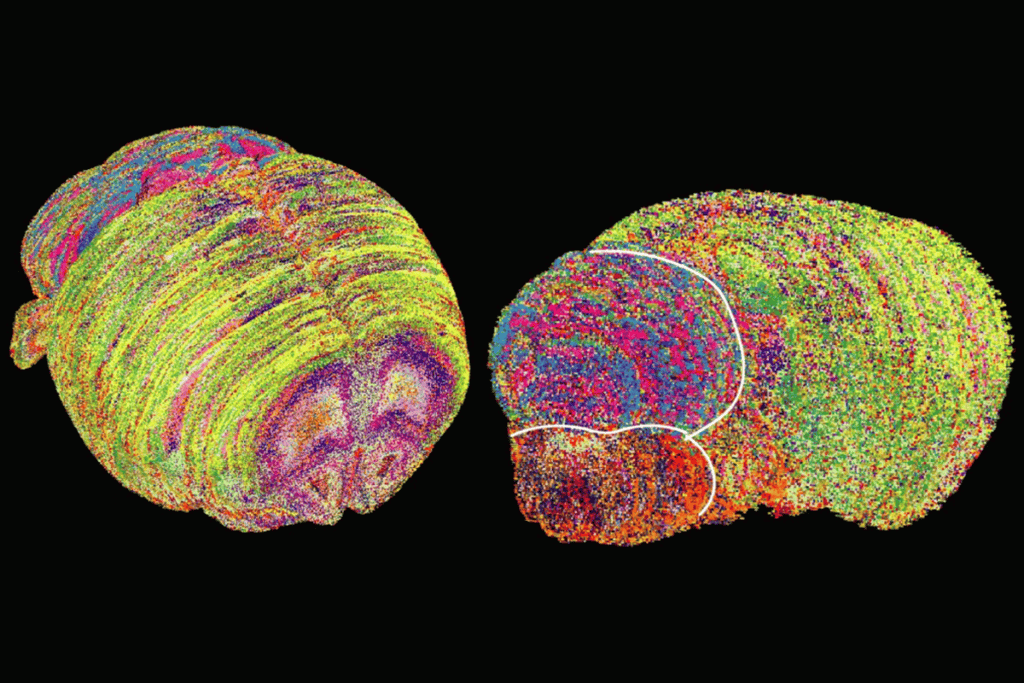
Lipids enter brain mapping limelight
Two new studies, including the first whole-brain lipid atlas in mice, uncover unforeseen complexity and influence during pregnancy and aging.
Lipids enter brain mapping limelight
Two new studies, including the first whole-brain lipid atlas in mice, uncover unforeseen complexity and influence during pregnancy and aging.
By
Lauren Schenkman
27 October 2026 | 6 min read
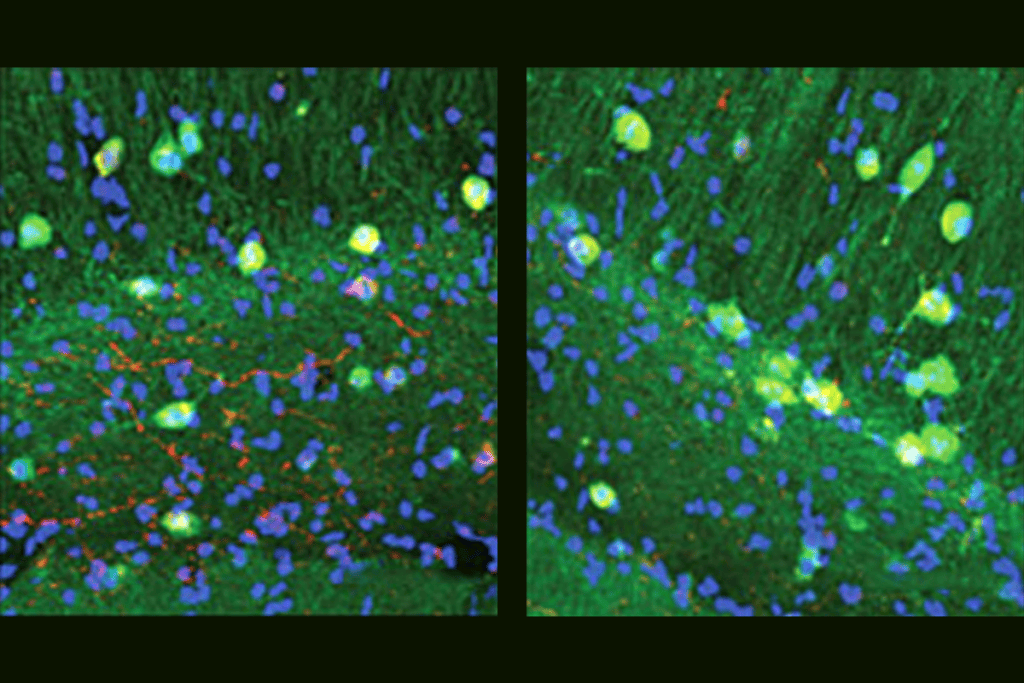
Behavioral phenomics in zebrafish; and more
Here is a roundup of autism-related news and research spotted around the web for the week of 26 October.
Behavioral phenomics in zebrafish; and more
Here is a roundup of autism-related news and research spotted around the web for the week of 26 October.
By
Jill Adams
27 October 2026 | 2 min read
Neuroscience gave AI its start. What happens now?
David Sussillo maps the two fields' divergent paths, and where they might still meet.
Neuroscience gave AI its start. What happens now?
David Sussillo maps the two fields' divergent paths, and where they might still meet.
By
Emily Singer
27 October 2026 | 10 min read