Amy Pearson is senior lecturer in psychology at the University of Sunderland in the United Kingdom.

Amy Pearson
Senior lecturer in psychology
University of Sunderland
From this contributor

Open science in autism research: A chat with Amy Pearson and Daniel Poole
The two psychologists share tips to help autism researchers adopt established methods and make their work more transparent and reproducible.
Open science in autism research: A chat with Amy Pearson and Daniel Poole
By
Emily Harris
26 August 2022 | 5 min read
Explore more from The Transmitter
The relationship between structure and function in cortical networks
Michael Reimann explains how the shape of neurons puts strong constraints on how they are wired in a network, and how this affects their structure-function relationships.
The relationship between structure and function in cortical networks
Michael Reimann explains how the shape of neurons puts strong constraints on how they are wired in a network, and how this affects their structure-function relationships.
By
Gaute Einevoll
28 October 2026 | 1 min read
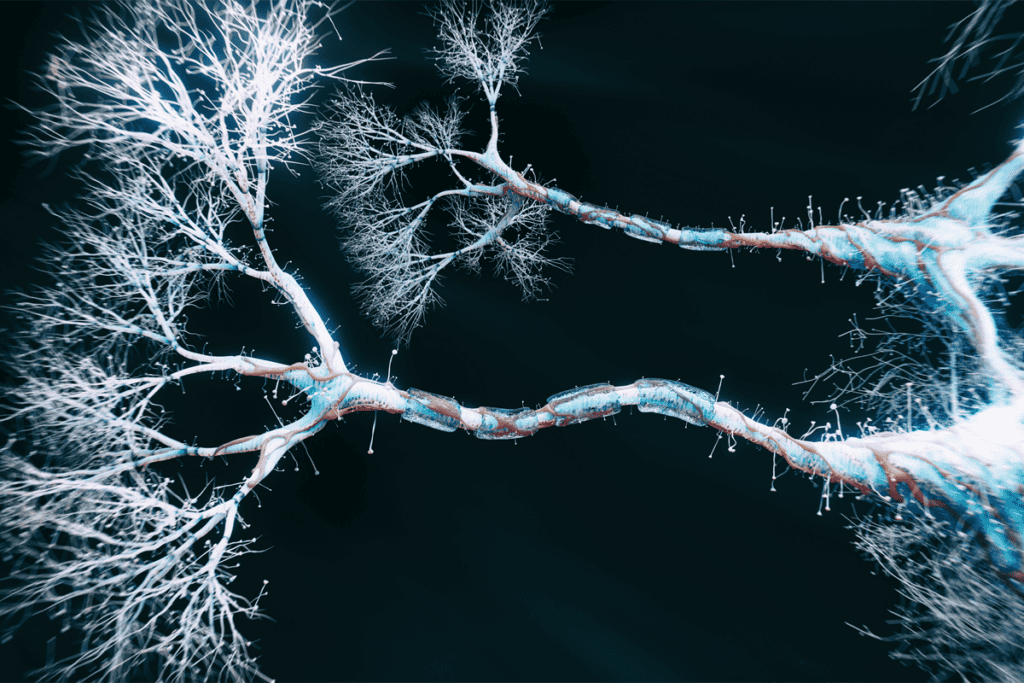
How brains prevent ‘catastrophic forgetting’
Dendrite-specific inhibition lets overlapping neuronal assemblies form across brain areas without erasing existing memories, a new modeling study suggests.
How brains prevent ‘catastrophic forgetting’
Dendrite-specific inhibition lets overlapping neuronal assemblies form across brain areas without erasing existing memories, a new modeling study suggests.
By
Natalia Mesa
28 October 2026 | 6 min read
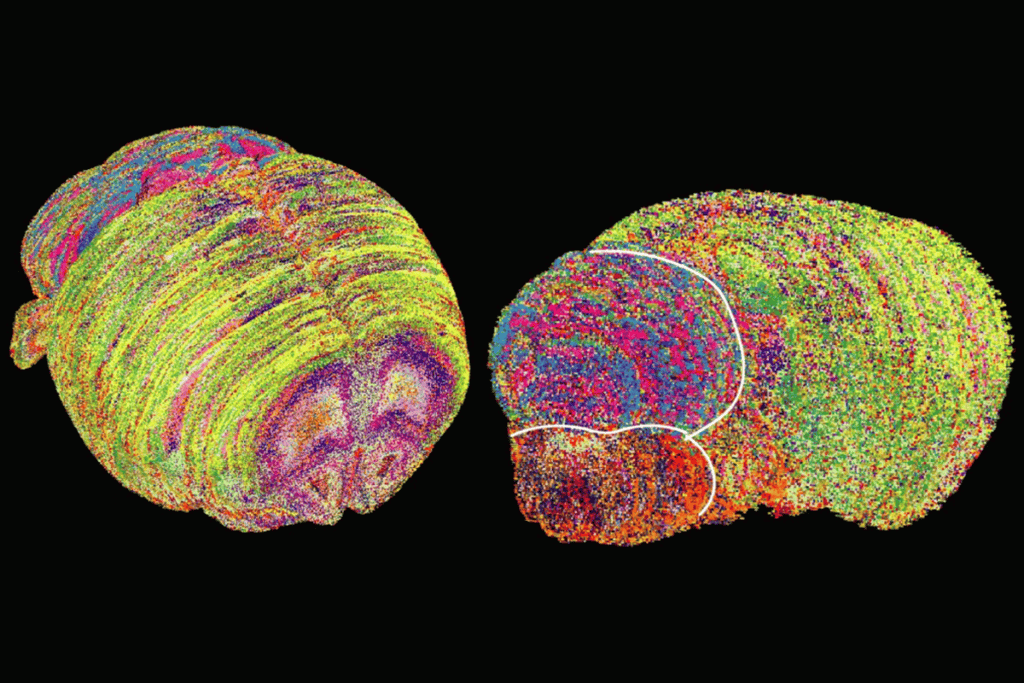
Lipids enter brain mapping limelight
Two new studies, including the first whole-brain lipid atlas in mice, uncover unforeseen complexity and influence during pregnancy and aging.
Lipids enter brain mapping limelight
Two new studies, including the first whole-brain lipid atlas in mice, uncover unforeseen complexity and influence during pregnancy and aging.
By
Lauren Schenkman
27 October 2026 | 6 min read