
Luca Mazzucato.

Luca Mazzucato

Assistant professor of biology and mathematics
University of Oregon

Luca Mazzucato is assistant professor of biology and mathematics at the University of Oregon. His lab investigates the neural mechanisms of optimal performance in decision-making and sensory perception, and develops brain-computer interfaces to improve cognitive function in primates.

Mazzucato obtained his Ph.D. in theoretical physics at the International School for Advanced Studies (SISSA) and worked on string theory for several years before switching to neuroscience. He was a Swartz Fellow in Theoretical Neurobiology and a research scientist at Columbia University’s Center for Theoretical Neuroscience. He started his lab at the University of Oregon in 2018.

He is the recipient of a National Science Foundation CAREER Award and numerous National Institutes of Health awards. He also runs the Science and Comics Initiative at the University of Oregon, where he works with comic artists to explain neuroscience.
Explore more from The Transmitter

A stack of papers topped by many paper shreddings against a red background.

Exclusive: Springer Nature retracts, removes nearly 40 publications that trained neural networks on ‘bonkers’ dataset

The dataset contains images of children’s faces downloaded from websites about autism, which sparked concerns at Springer Nature about consent and reliability.

By Calli McMurray
8 December 2025 | 5 min read
Research image of a virtual environment simulating an animal’s viewpoint close to the ground.

Seeing the world as animals do: How to leverage generative AI for ecological neuroscience

Generative artificial intelligence will offer a new way to see, simulate and hypothesize about how animals experience their worlds. In doing so, it could help bridge the long-standing gap between neural function and behavior.

By Shahab Bakhtiari
8 December 2025 | 8 min read

Psilocybin rewires specific mouse cortical networks in lasting ways

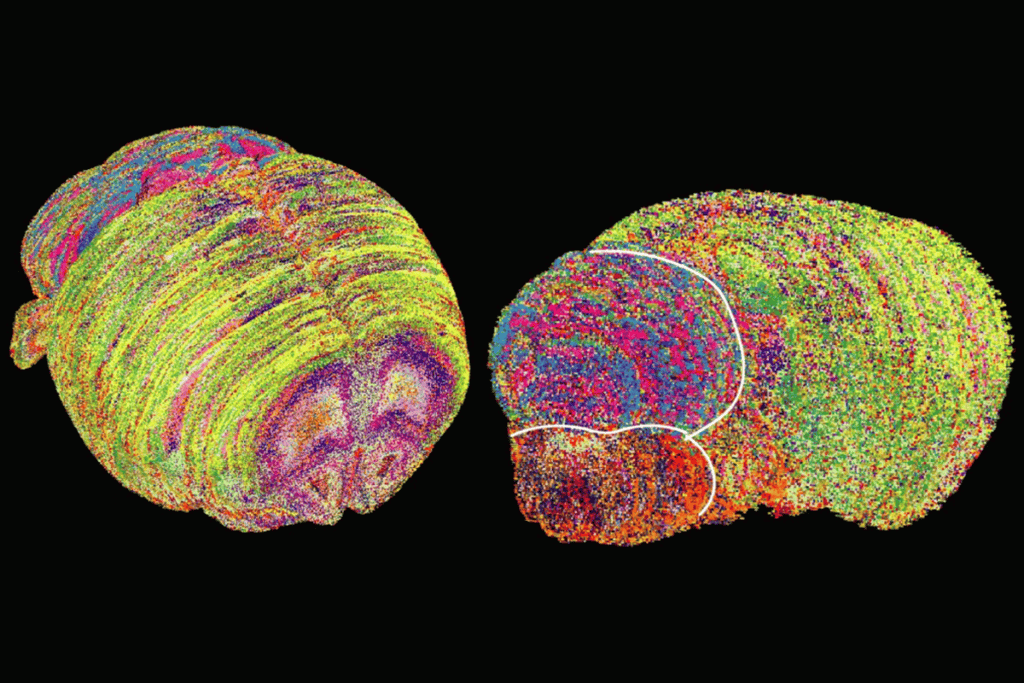
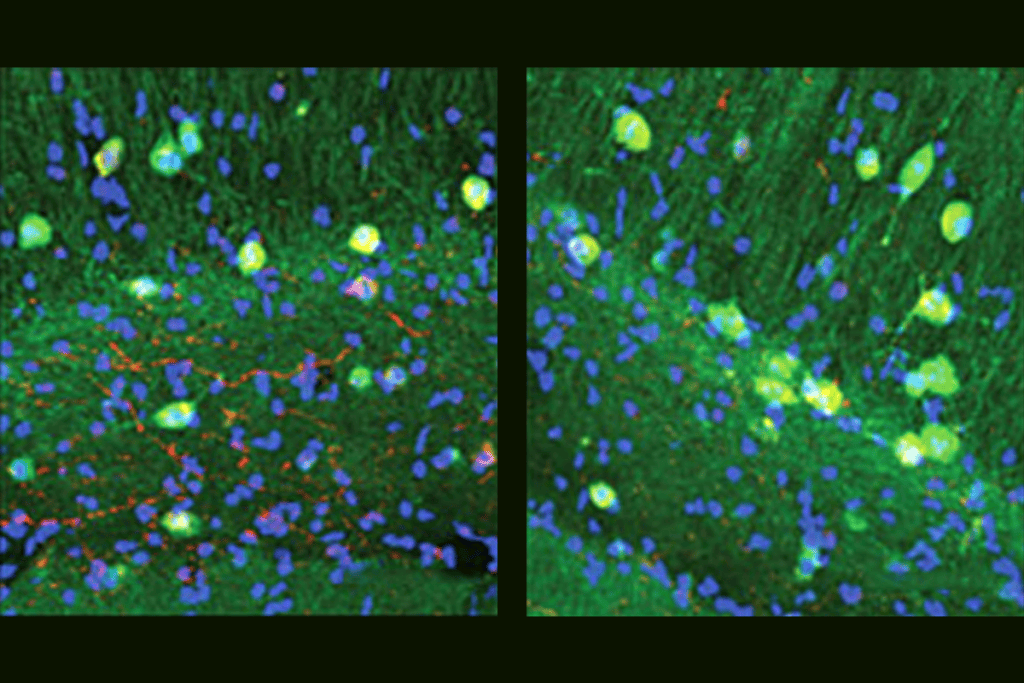
Neuronal activity induced by the psychedelic drug strengthens inputs from sensory brain areas and weakens cortico-cortical recurrent loops.

By Siddhant Pusdekar
5 December 2025 | 0 min watch

privacy consent banner

Privacy Preference

We use cookies to provide you with the best online experience. By clicking “Accept All,” you help us understand how our site is used and enhance its performance. You can change your choice at any time. To learn more, please visit our Privacy Policy.