Kevin Pelphrey is Harrison-Wood Professor of Neurology at the University of Virginia in Charlottesville.

Harrison-Wood Professor of Neurology
University of Virginia
Kevin Pelphrey is Harrison-Wood Professor of Neurology at the University of Virginia in Charlottesville.
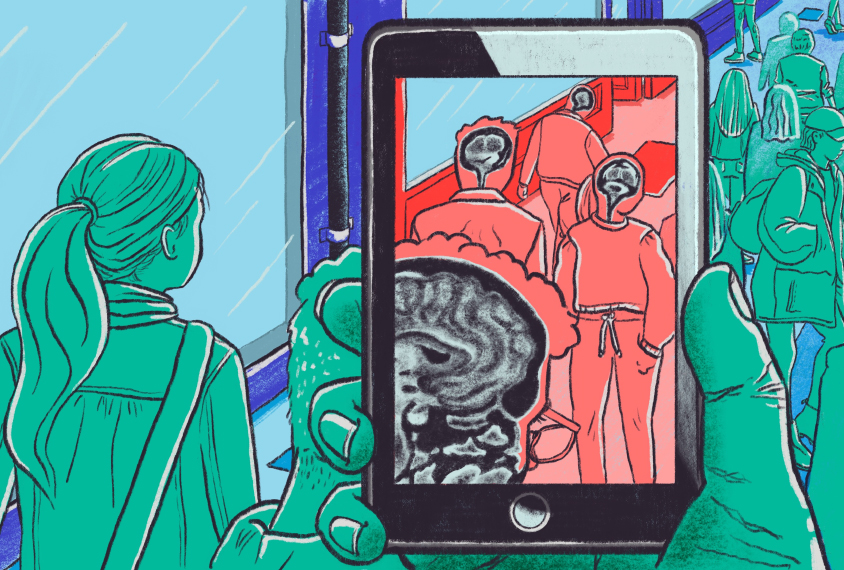
Can brain scans, in the wrong hands, compromise research participants' identity? The risk is minimal.
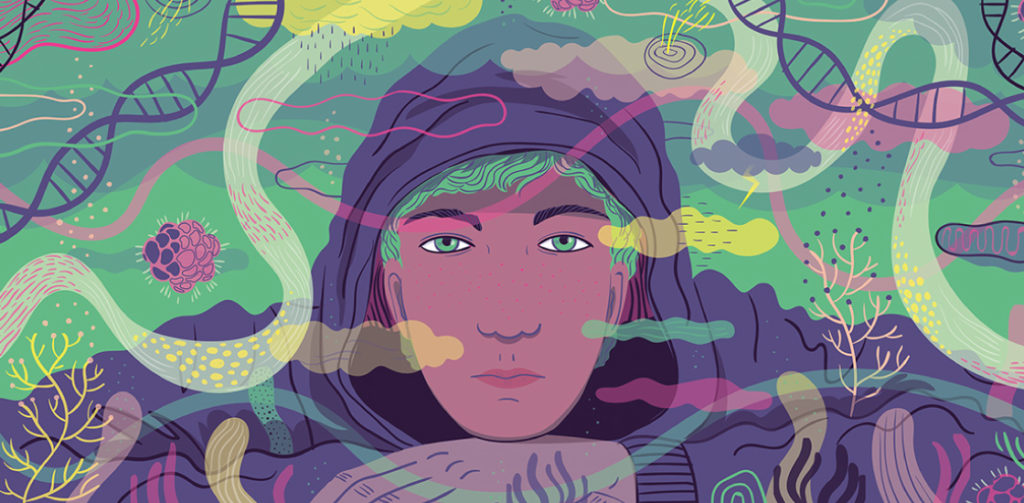
Examining the teenage years presents a major opportunity for understanding and treating autism.

Apps, robots and brain imaging can help children with autism improve their social skills and connect with other people.
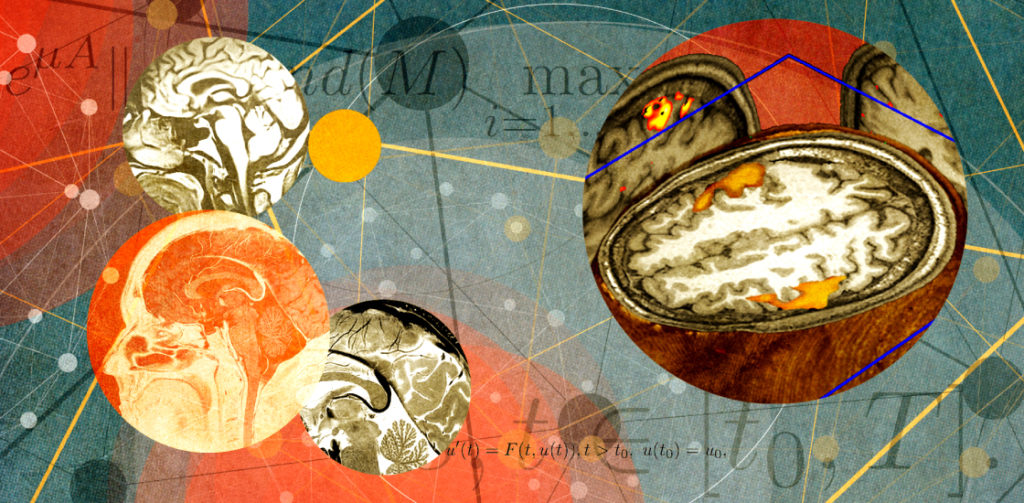
A bug in brain imaging software casts doubt on the results of some autism studies, but it’s way too soon to write off the powerful imaging technique.

Restaurants can be stressful for my daughter Frances, who has autism, but her difficulties led me to try to better understand and treat her type of situational anxiety.
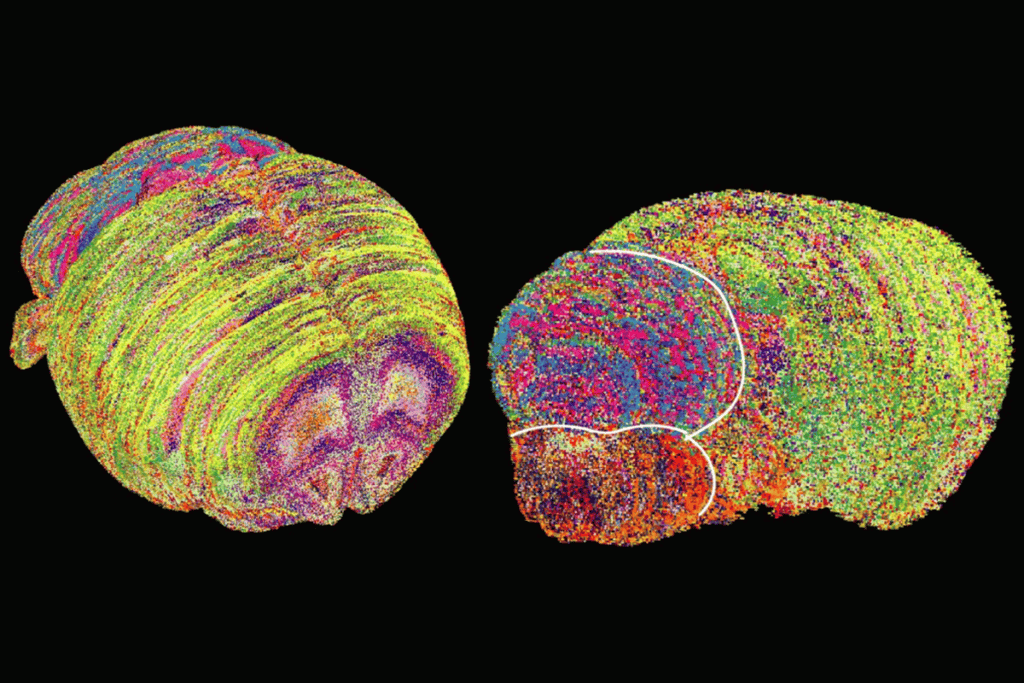
Two new studies, including the first whole-brain lipid atlas in mice, uncover unforeseen complexity and influence during pregnancy and aging.
Two new studies, including the first whole-brain lipid atlas in mice, uncover unforeseen complexity and influence during pregnancy and aging.
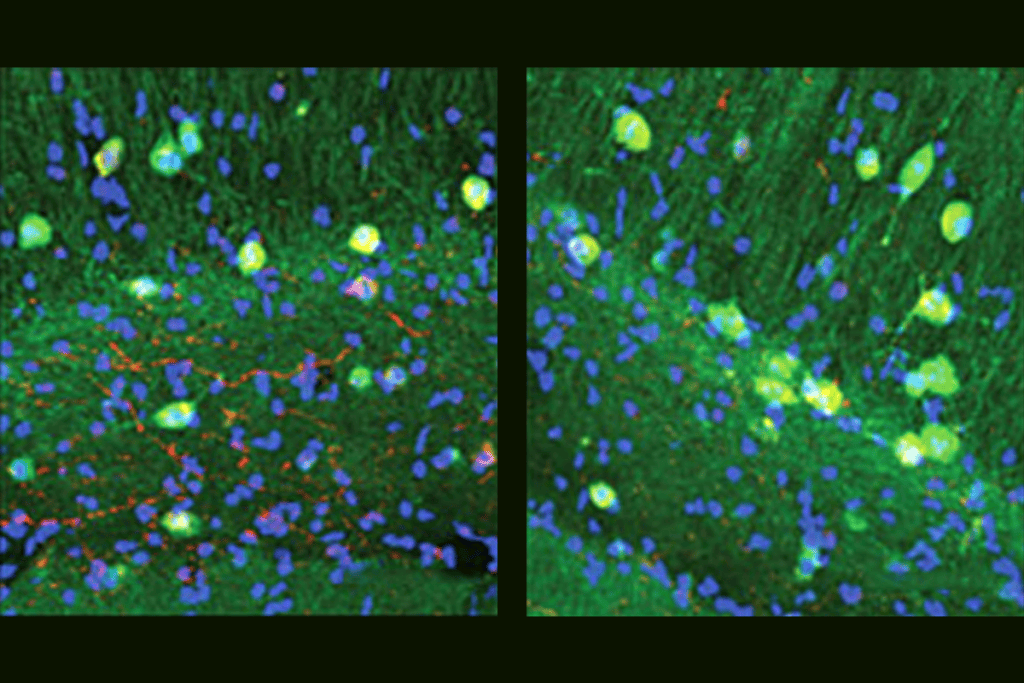
Here is a roundup of autism-related news and research spotted around the web for the week of 26 October.
Here is a roundup of autism-related news and research spotted around the web for the week of 26 October.

David Sussillo maps the two fields' divergent paths, and where they might still meet.
David Sussillo maps the two fields' divergent paths, and where they might still meet.