Anxiety
Recent articles
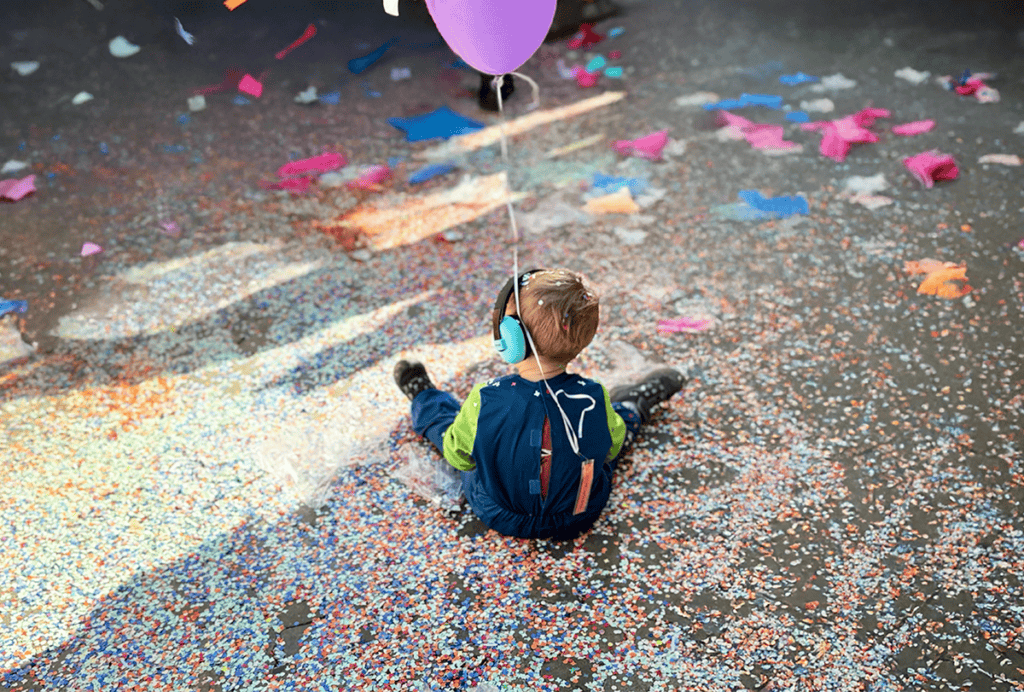
Sensory over-responsivity tied to autism, anxiety but not other conditions
Negative reactions to sensations track with certain neurodevelopmental traits in more than 15,000 children—pointing to shared neurobiological roots.
Sensory over-responsivity tied to autism, anxiety but not other conditions
Negative reactions to sensations track with certain neurodevelopmental traits in more than 15,000 children—pointing to shared neurobiological roots.
Brainstem neurons add new element to ‘already complex’ anxiety circuitry
Precise optogenetic modulation of a medullary neuron population reveals their role in anxiety-like behaviors.
Brainstem neurons add new element to ‘already complex’ anxiety circuitry
Precise optogenetic modulation of a medullary neuron population reveals their role in anxiety-like behaviors.

Study questions DSM-5’s combining of autism traits
Sensory traits and restricted and repetitive behaviors are best understood as distinct but related characteristics, the new work suggests.
Study questions DSM-5’s combining of autism traits
Sensory traits and restricted and repetitive behaviors are best understood as distinct but related characteristics, the new work suggests.
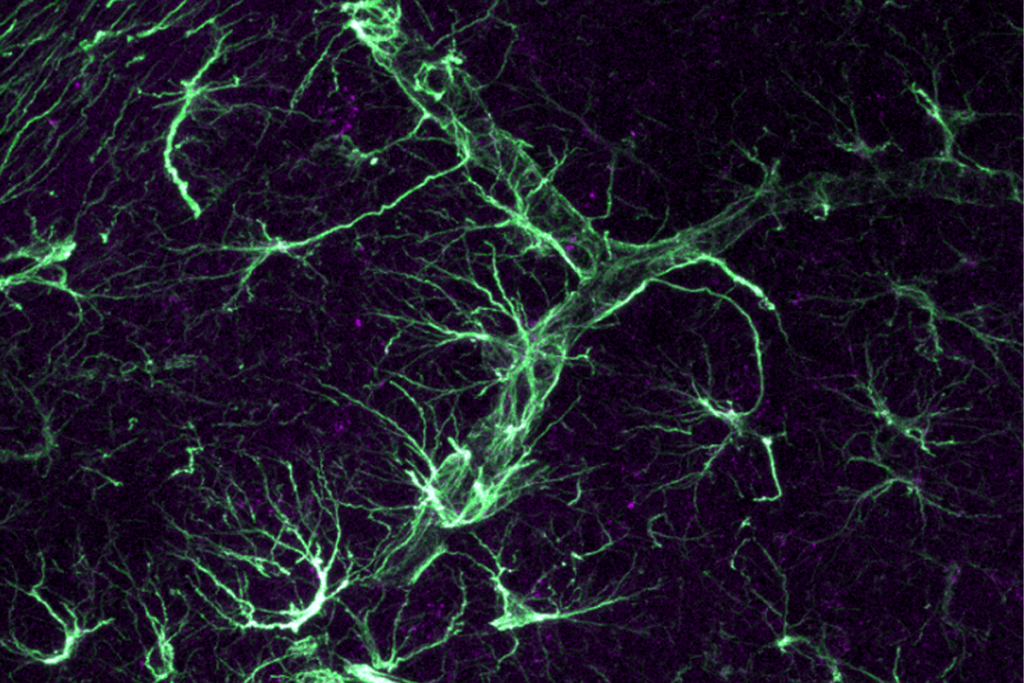
Astrocytes in mouse amygdala encode emotional state
The glial cells’ activity reliably tracks with freezing, hesitancy and other behaviors reminiscent of anxiety.
Astrocytes in mouse amygdala encode emotional state
The glial cells’ activity reliably tracks with freezing, hesitancy and other behaviors reminiscent of anxiety.

Data duplications flagged in highly cited gut-brain studies
The duplications are a product of “inadvertent errors,” the authors say.
Data duplications flagged in highly cited gut-brain studies
The duplications are a product of “inadvertent errors,” the authors say.
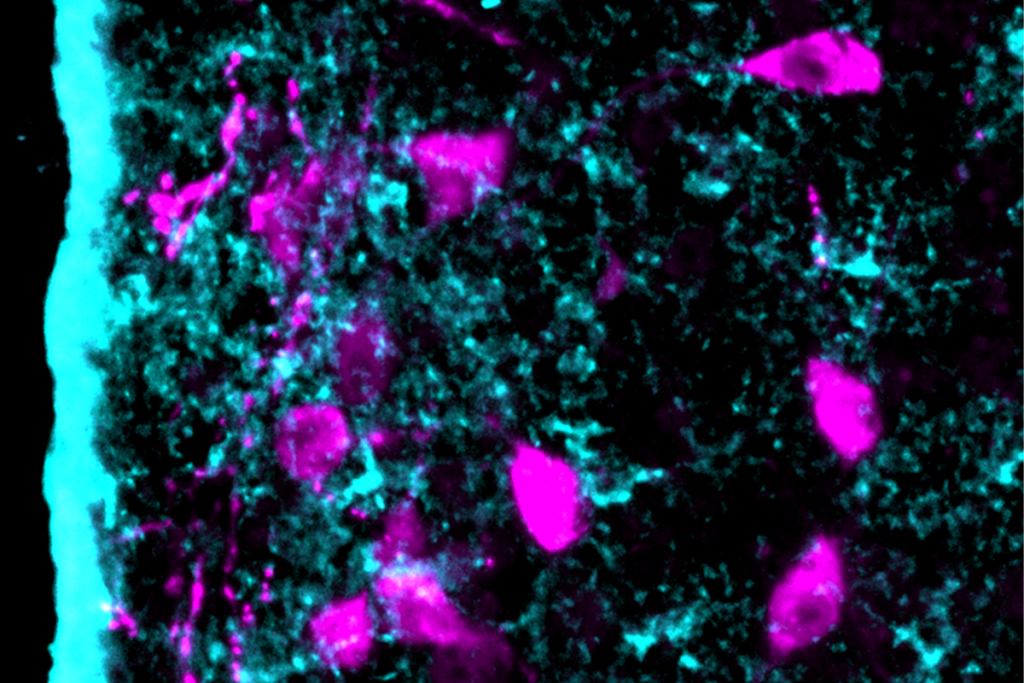
Astrocytes orchestrate oxytocin’s social effects in mice
The cells amplify oxytocin—and may be responsible for sex differences in social behavior, two preprints find.
Astrocytes orchestrate oxytocin’s social effects in mice
The cells amplify oxytocin—and may be responsible for sex differences in social behavior, two preprints find.
Why emotion research is stuck—and how to move it forward
Studying how organisms infer indirect threats and understand changing contexts can establish a common framework that bridges species and levels of analysis.
Why emotion research is stuck—and how to move it forward
Studying how organisms infer indirect threats and understand changing contexts can establish a common framework that bridges species and levels of analysis.
Perimenopause: An important—and understudied—transition for the brain
Many well-known perimenopause symptoms arise in the brain, but we still know little about the specific mechanisms at play. More research—in both animals and humans—is essential.
Perimenopause: An important—and understudied—transition for the brain
Many well-known perimenopause symptoms arise in the brain, but we still know little about the specific mechanisms at play. More research—in both animals and humans—is essential.
Why we need basic science to better understand the neurobiology of psychedelics
Despite the many psychedelics clinical trials underway, there is still much we don’t know about how these drugs work. Preclinical studies represent our best viable avenue to answer these lingering questions.
Why we need basic science to better understand the neurobiology of psychedelics
Despite the many psychedelics clinical trials underway, there is still much we don’t know about how these drugs work. Preclinical studies represent our best viable avenue to answer these lingering questions.
Emotion research has a communication conundrum
In 2025, the words we use to describe emotions matter, but their definitions are controversial. Here, I unpack the different positions in this space and the rationales behind them—and I invite 13 experts to chime in.
Emotion research has a communication conundrum
In 2025, the words we use to describe emotions matter, but their definitions are controversial. Here, I unpack the different positions in this space and the rationales behind them—and I invite 13 experts to chime in.
Explore more from The Transmitter
Is it time for neuroscience to shift its focus from a computational mind to a navigating mind?
Andrea Hiott explains her navigational approach to the mind, and why now is the time to embrace seemingly paradoxical findings in neuroscience.
Is it time for neuroscience to shift its focus from a computational mind to a navigating mind?
Andrea Hiott explains her navigational approach to the mind, and why now is the time to embrace seemingly paradoxical findings in neuroscience.
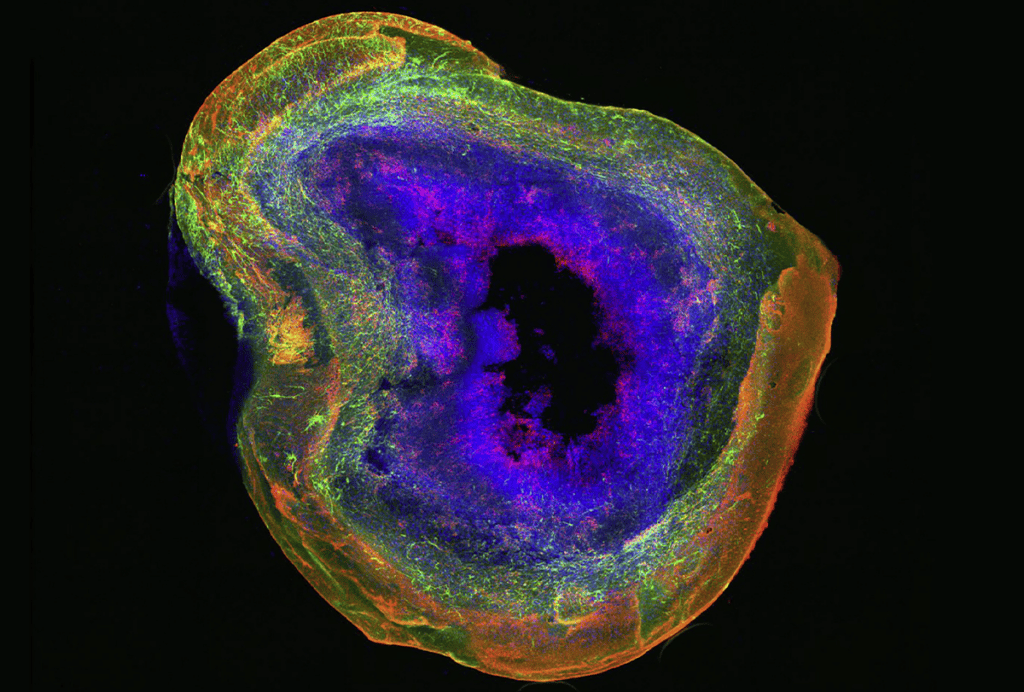
Human brain organoids come of age—but still have room to grow
The U.S. government has touted organoids as an alternative to animals for studying the brain. The model has improved since its debut in 2013, but scientists are still working to overcome key limitations: immaturity, consistency and the lack of vascularization.
Human brain organoids come of age—but still have room to grow
The U.S. government has touted organoids as an alternative to animals for studying the brain. The model has improved since its debut in 2013, but scientists are still working to overcome key limitations: immaturity, consistency and the lack of vascularization.
Finding neuroheterogeneity’s sweet spot
Once thought to be detrimental to memory processing, neuronal diversity—at the right ‘Goldilocks’ dose—is a new boon to theoretical neuroscience.
Finding neuroheterogeneity’s sweet spot
Once thought to be detrimental to memory processing, neuronal diversity—at the right ‘Goldilocks’ dose—is a new boon to theoretical neuroscience.