Vocalization
Recent articles
Still no proof for facilitated spelling methods
A systematic review into whether the “rapid prompting method” or “spelling to communicate” can help autistic people express themselves comes up empty yet again.
Still no proof for facilitated spelling methods
A systematic review into whether the “rapid prompting method” or “spelling to communicate” can help autistic people express themselves comes up empty yet again.

Top neuroscience prize winners in 2025
The awards recognize lifetime achievements and new discoveries.
Top neuroscience prize winners in 2025
The awards recognize lifetime achievements and new discoveries.
Hitting city streets to record rat behaviors: Q&A with Emily Mackevicius, Ralph Peterson
Capturing the rodents’ vocalizations and movements in the wild offers an opportunity to study naturalistic behaviors in a complex urban environment, Mackevicius and Peterson say.
Hitting city streets to record rat behaviors: Q&A with Emily Mackevicius, Ralph Peterson
Capturing the rodents’ vocalizations and movements in the wild offers an opportunity to study naturalistic behaviors in a complex urban environment, Mackevicius and Peterson say.

Some minimally verbal autistic people show signs of written-language familiarity, study suggests
But researchers not involved in the work worry the findings could be used to support discredited facilitated-communication techniques.
Some minimally verbal autistic people show signs of written-language familiarity, study suggests
But researchers not involved in the work worry the findings could be used to support discredited facilitated-communication techniques.
Abundant motor proteins disrupt cries in FOXP2 mice
Knocking down the gene that codes for the proteins normalizes the vocalizations.
Abundant motor proteins disrupt cries in FOXP2 mice
Knocking down the gene that codes for the proteins normalizes the vocalizations.
Lacking autism-linked gene, female birds tune out favorite songs
The gene, FOXP1, influences an animal’s motivation to listen to social communication, a new study suggests.
Lacking autism-linked gene, female birds tune out favorite songs
The gene, FOXP1, influences an animal’s motivation to listen to social communication, a new study suggests.

Beyond the bench: Learning new moves with dancer-scientist Constantina Theofanopoulou
Theofanopoulou shares how flamenco stepped up the pace of her social-communication research, and what’s behind the ‘no fear’ ethos in her new lab.
Beyond the bench: Learning new moves with dancer-scientist Constantina Theofanopoulou
Theofanopoulou shares how flamenco stepped up the pace of her social-communication research, and what’s behind the ‘no fear’ ethos in her new lab.
New software flags autism rat model’s telltale squeaks
By breaking rodent vocalizations into parts, TrackUSF distinguishes rats with mutations in the SHANK3 gene from their wildtype counterparts.
New software flags autism rat model’s telltale squeaks
By breaking rodent vocalizations into parts, TrackUSF distinguishes rats with mutations in the SHANK3 gene from their wildtype counterparts.
Researchers publish new dataset on minimally verbal autistic people
Researchers at the Massachusetts Institute of Technology published the first repository of vocalizations from minimally verbal autistic people. Those with few or no spoken words still produce a range of phonemes, or units of sound, that may serve as developmental markers or intervention targets.
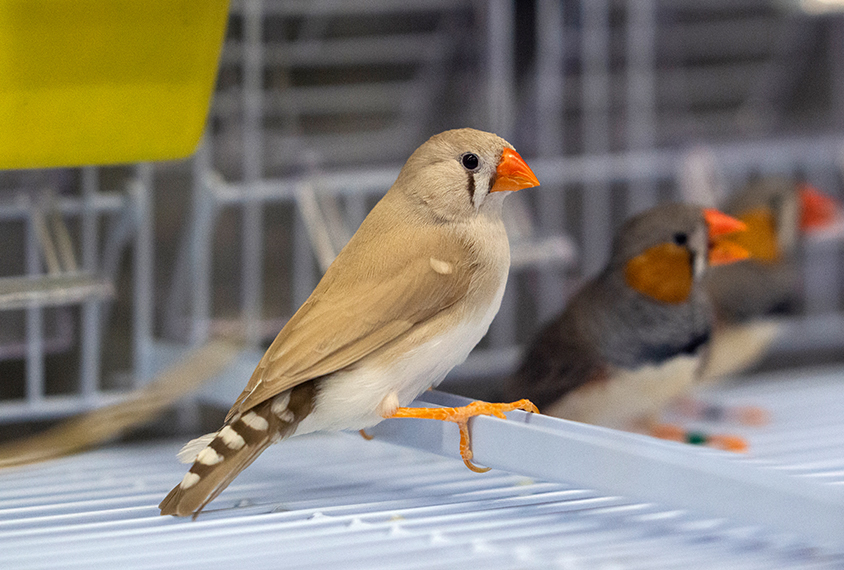
Birdsong-related DNA sequences tied to autism-linked genes
Genes that appear to play a role in some birds' ability to learn songs are frequently mutated in autistic people.
Birdsong-related DNA sequences tied to autism-linked genes
Genes that appear to play a role in some birds' ability to learn songs are frequently mutated in autistic people.
Explore more from The Transmitter
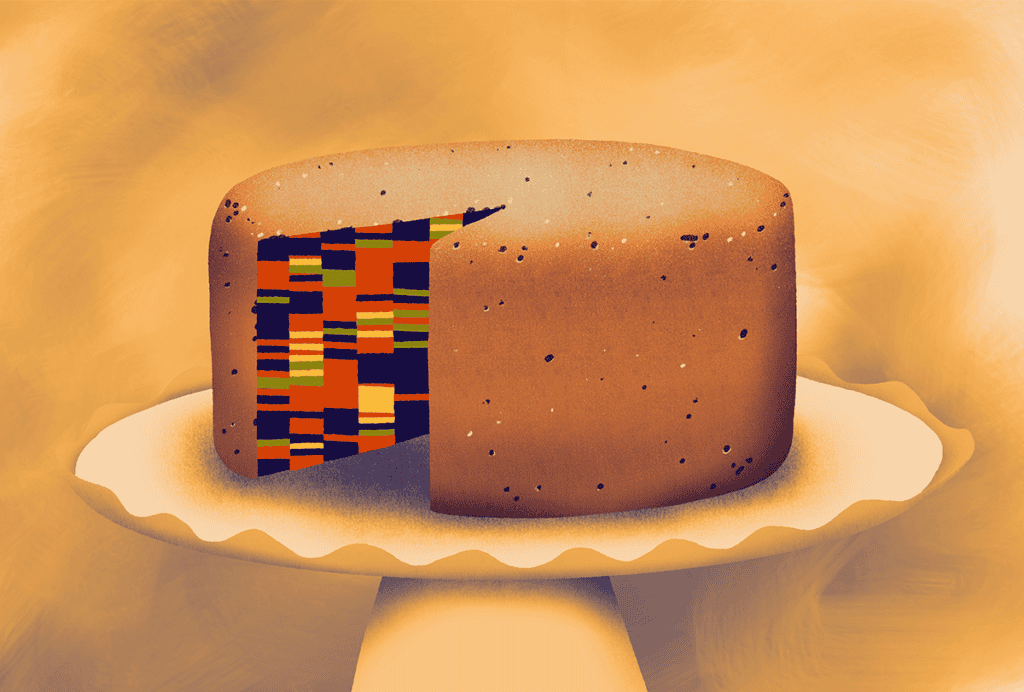
The genome offers a recipe, not a blueprint, for the brain
During brain development, genes set the rules and turn the knobs; self-organization does much of the rest.
The genome offers a recipe, not a blueprint, for the brain
During brain development, genes set the rules and turn the knobs; self-organization does much of the rest.

Autism research involving monkeys contends with uphill battle
Macaques and marmosets recapitulate the condition’s core traits better than mice can, but funding uncertainty and challenges at primate centers in the United States could make this work difficult to continue.
Autism research involving monkeys contends with uphill battle
Macaques and marmosets recapitulate the condition’s core traits better than mice can, but funding uncertainty and challenges at primate centers in the United States could make this work difficult to continue.
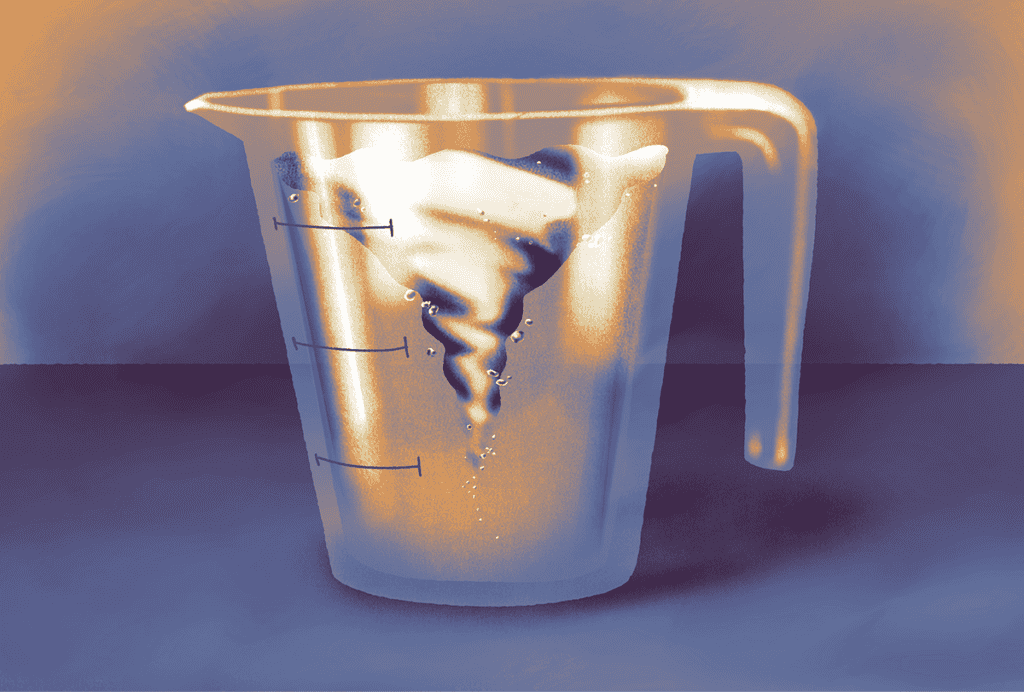
When is self-organization a mechanism in brain development?
Retinal waves offer a powerful example of a self-organizing system that can build structure without external guidance. The field would do well to embrace such phenomena more broadly as a type of mechanistic explanation.
When is self-organization a mechanism in brain development?
Retinal waves offer a powerful example of a self-organizing system that can build structure without external guidance. The field would do well to embrace such phenomena more broadly as a type of mechanistic explanation.