Autism and the arts
Recent articles
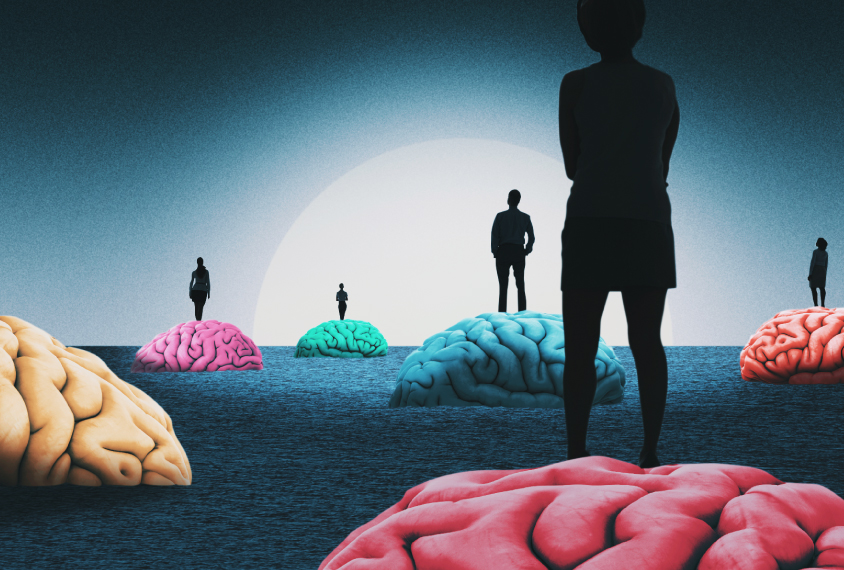
Book Review: ‘Nobody’s Normal’ chronicles the intertwined history of mental illness and stigma
Anthropologist and autism expert Richard Roy Grinker’s latest title reveals how our definitions of mental illnesses and notions of ‘normality’ reek of cultural biases that stop many from seeking help.
Book Review: ‘Nobody’s Normal’ chronicles the intertwined history of mental illness and stigma
Anthropologist and autism expert Richard Roy Grinker’s latest title reveals how our definitions of mental illnesses and notions of ‘normality’ reek of cultural biases that stop many from seeking help.
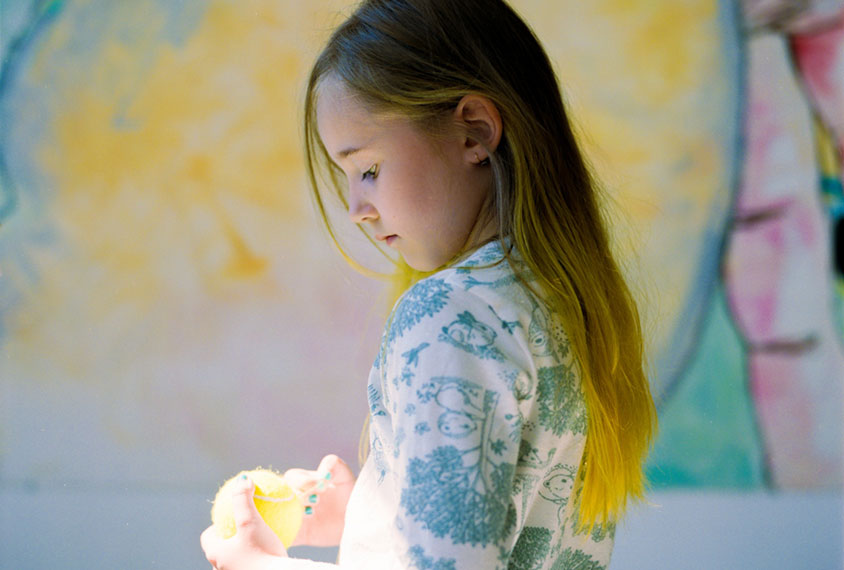
Inside a summer camp for autistic children in Russia
Photographs show how a camp in St. Petersburg this summer helped children on the spectrum and their families find some fun during the pandemic.
Inside a summer camp for autistic children in Russia
Photographs show how a camp in St. Petersburg this summer helped children on the spectrum and their families find some fun during the pandemic.
Explore more from The Transmitter
Commentary: Citation graphs may underestimate neuroscience’s influence on AI
An alternative, albeit less quantitative, way to trace this history is through the people who carried ideas between the fields.
Commentary: Citation graphs may underestimate neuroscience’s influence on AI
An alternative, albeit less quantitative, way to trace this history is through the people who carried ideas between the fields.
Commentary: The rising absolute number of neuro-inspired AI papers represents a substantial footprint
Many of the design choices present in the current generation of artificial-intelligence tools parallel purported properties of the brain.
Commentary: The rising absolute number of neuro-inspired AI papers represents a substantial footprint
Many of the design choices present in the current generation of artificial-intelligence tools parallel purported properties of the brain.
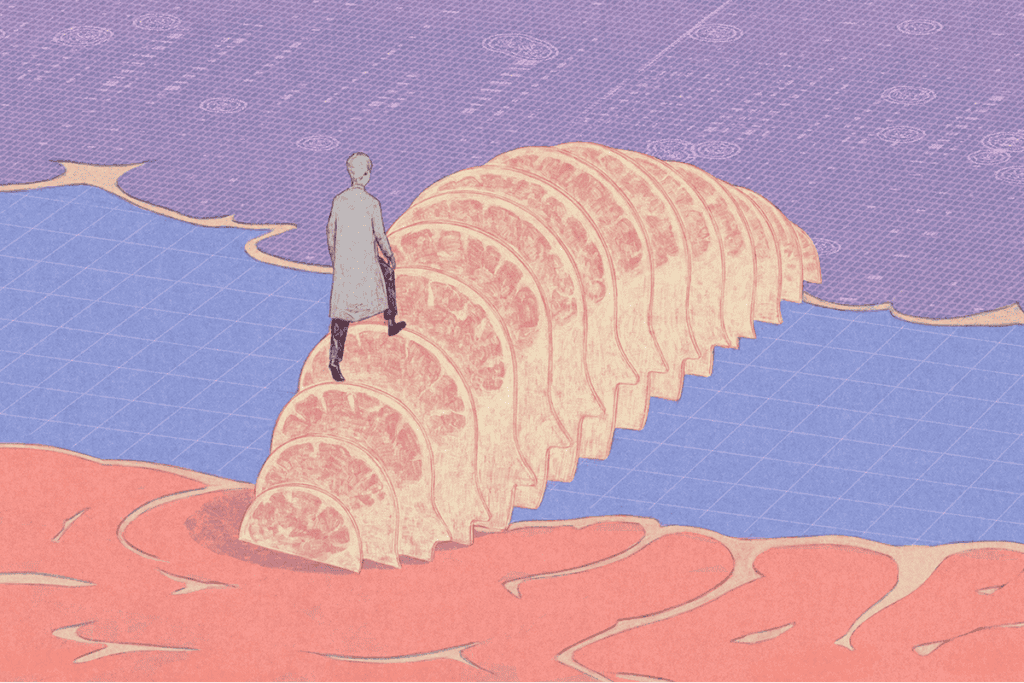
Examining the bridge between neuroscience and AI
A citation analysis reveals that the connection between the two fields is real and gaining momentum. But it’s also narrow and tool-heavy; we need to find ways to widen it.
Examining the bridge between neuroscience and AI
A citation analysis reveals that the connection between the two fields is real and gaining momentum. But it’s also narrow and tool-heavy; we need to find ways to widen it.