Adults with autism
Recent articles

Sex bias in autism drops as age at diagnosis rises
The disparity begins to level out after age 10, raising questions about why so many autistic girls go undiagnosed earlier in childhood.
Sex bias in autism drops as age at diagnosis rises
The disparity begins to level out after age 10, raising questions about why so many autistic girls go undiagnosed earlier in childhood.
Meet the Autism Data Science Initiative grantees
The awarded projects plan to study gene-and-environment interactions in people, stem cells and organoids, as well as predictors of positive life outcomes in autistic youth and adults.
Meet the Autism Data Science Initiative grantees
The awarded projects plan to study gene-and-environment interactions in people, stem cells and organoids, as well as predictors of positive life outcomes in autistic youth and adults.
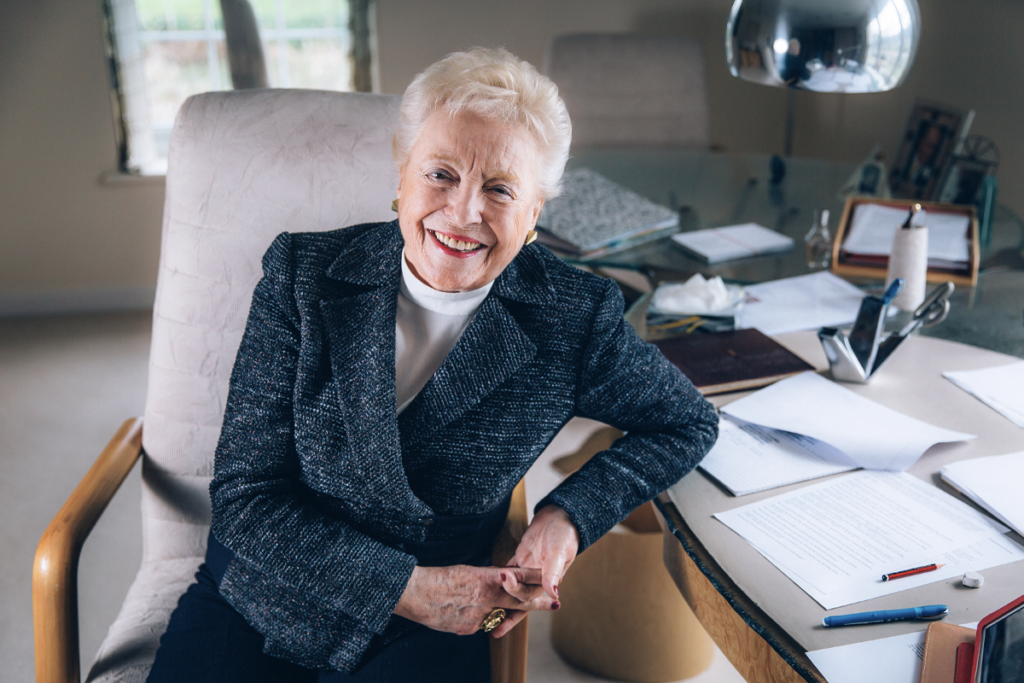
In memoriam: Stephanie “Steve” Shirley, autism philanthropist
Fueled by business success and her son, she played an outsized role in British autism research.
In memoriam: Stephanie “Steve” Shirley, autism philanthropist
Fueled by business success and her son, she played an outsized role in British autism research.
Spectrum 2024: Year in review
We round up our most notable autism stories of the past 12 months.
Spectrum 2024: Year in review
We round up our most notable autism stories of the past 12 months.
In updated U.S. autism bill, Congress calls for funding boost, expanded scope
The current Autism CARES Act sunsets in late September.
In updated U.S. autism bill, Congress calls for funding boost, expanded scope
The current Autism CARES Act sunsets in late September.
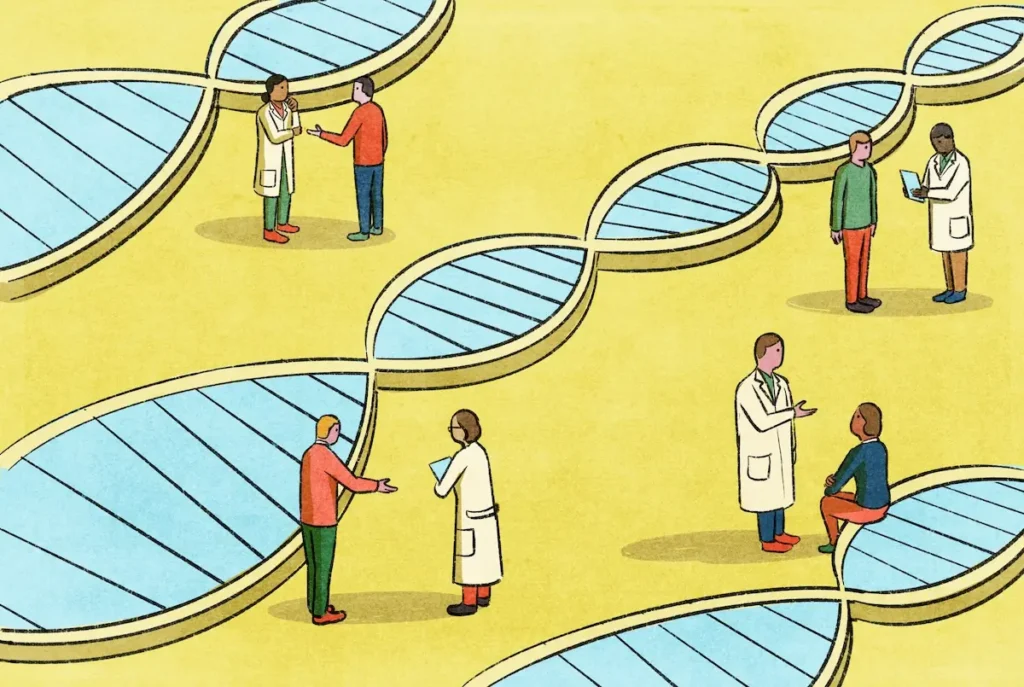
Building an autism research registry: Q&A with Tony Charman
A purpose-built database of participants who have shared genomic and behavioral data could give clinical trials a boost, Charman says.
Building an autism research registry: Q&A with Tony Charman
A purpose-built database of participants who have shared genomic and behavioral data could give clinical trials a boost, Charman says.
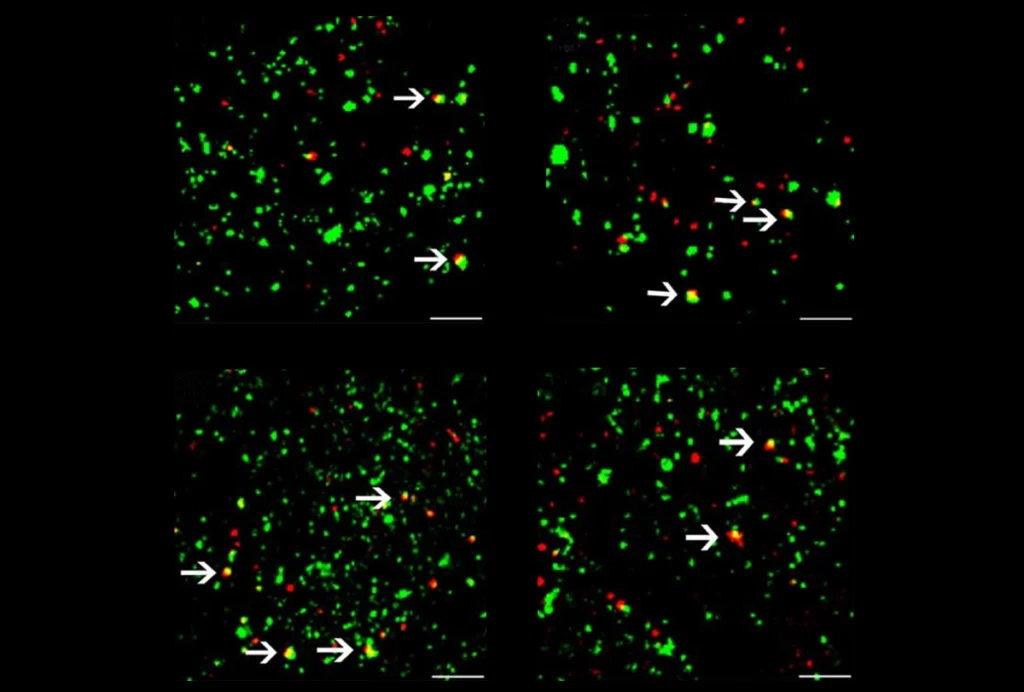
Synaptic anomalies in autistic people support imbalance hypothesis
Increased excitatory and decreased inhibitory synapses in the prefrontal cortex of autistic people suggest broader impacts on brain function and connectivity.
Synaptic anomalies in autistic people support imbalance hypothesis
Increased excitatory and decreased inhibitory synapses in the prefrontal cortex of autistic people suggest broader impacts on brain function and connectivity.

Some minimally verbal autistic people show signs of written-language familiarity, study suggests
But researchers not involved in the work worry the findings could be used to support discredited facilitated-communication techniques.
Some minimally verbal autistic people show signs of written-language familiarity, study suggests
But researchers not involved in the work worry the findings could be used to support discredited facilitated-communication techniques.
Spectrum 10K consultation report delayed
The U.K.-based genetics study launched the consultation more than a year ago in response to fierce criticism from autistic self-advocates.
Spectrum 10K consultation report delayed
The U.K.-based genetics study launched the consultation more than a year ago in response to fierce criticism from autistic self-advocates.

Life expectancy lags for autistic people in United Kingdom
The finding confirms past research that links autism to early death, but it also suggests that the life expectancy gap may be smaller than previously thought.
Life expectancy lags for autistic people in United Kingdom
The finding confirms past research that links autism to early death, but it also suggests that the life expectancy gap may be smaller than previously thought.
Explore more from The Transmitter
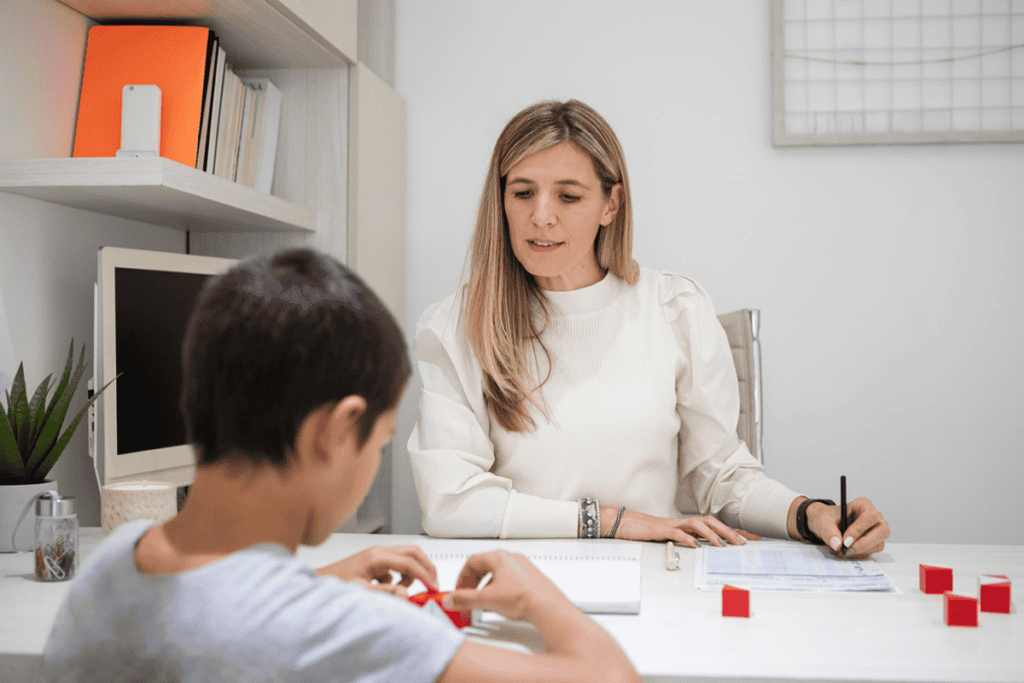
Prevalence of profound autism declines with new definition
The updated, more precise definition used in a CDC study includes adaptive scores.
Prevalence of profound autism declines with new definition
The updated, more precise definition used in a CDC study includes adaptive scores.
Is it time for neuroscience to shift its focus from a computational mind to a navigating mind?
Andrea Hiott explains her navigational approach to the mind, and why now is the time to embrace seemingly paradoxical findings in neuroscience.
Is it time for neuroscience to shift its focus from a computational mind to a navigating mind?
Andrea Hiott explains her navigational approach to the mind, and why now is the time to embrace seemingly paradoxical findings in neuroscience.
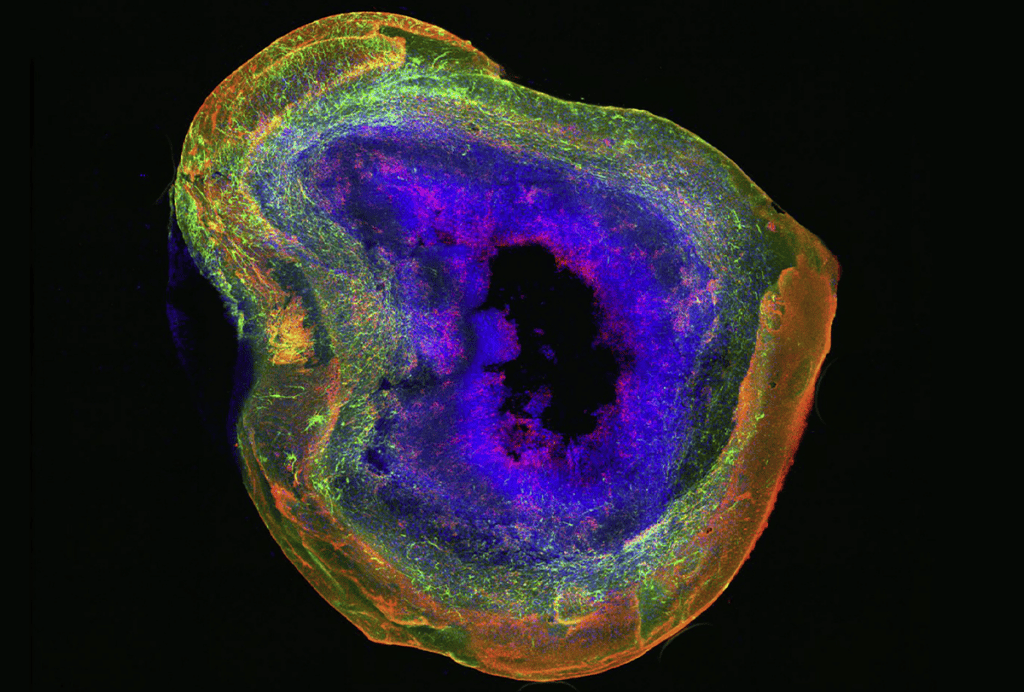
Human brain organoids come of age—but still have room to grow
The U.S. government has touted organoids as an alternative to animals for studying the brain. The model has improved since its debut in 2013, but scientists are still working to overcome key limitations: immaturity, consistency and the lack of vascularization.