ACS 2014
Recent articles

Word grasp at 12 months may reflect autism symptoms
Children later diagnosed with autism understand different types of words at 12 months of age than their typically developing peers, according to unpublished research presented Tuesday at the Autism Consortium Research Symposium in Boston.
Word grasp at 12 months may reflect autism symptoms
Children later diagnosed with autism understand different types of words at 12 months of age than their typically developing peers, according to unpublished research presented Tuesday at the Autism Consortium Research Symposium in Boston.
Seizures trigger autism-like behaviors in mice
Mice with an extra copy of the autism-linked gene UBE3A show abnormal social behavior after experiencing recurrent seizures. The findings, presented Tuesday at the Autism Consortium Research Symposium in Boston, provide one possible explanation for why seizures and autism often go hand in hand.
Seizures trigger autism-like behaviors in mice
Mice with an extra copy of the autism-linked gene UBE3A show abnormal social behavior after experiencing recurrent seizures. The findings, presented Tuesday at the Autism Consortium Research Symposium in Boston, provide one possible explanation for why seizures and autism often go hand in hand.
Explore more from The Transmitter
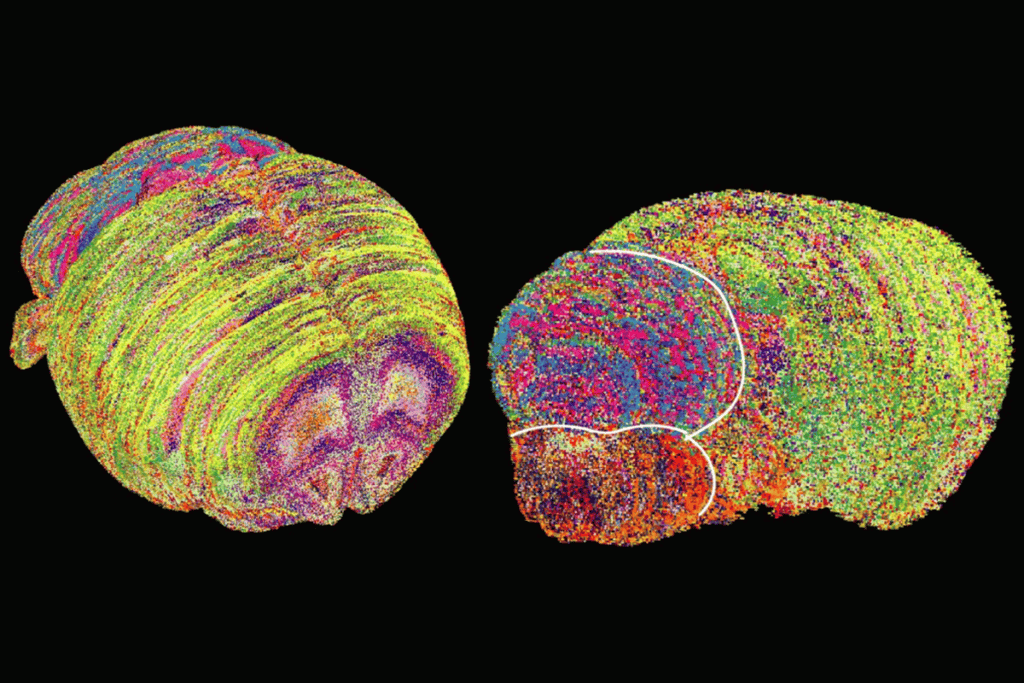
Lipids enter brain mapping limelight
Two new studies, including the first whole-brain lipid atlas in mice, uncover unforeseen complexity and influence during pregnancy and aging.
Lipids enter brain mapping limelight
Two new studies, including the first whole-brain lipid atlas in mice, uncover unforeseen complexity and influence during pregnancy and aging.
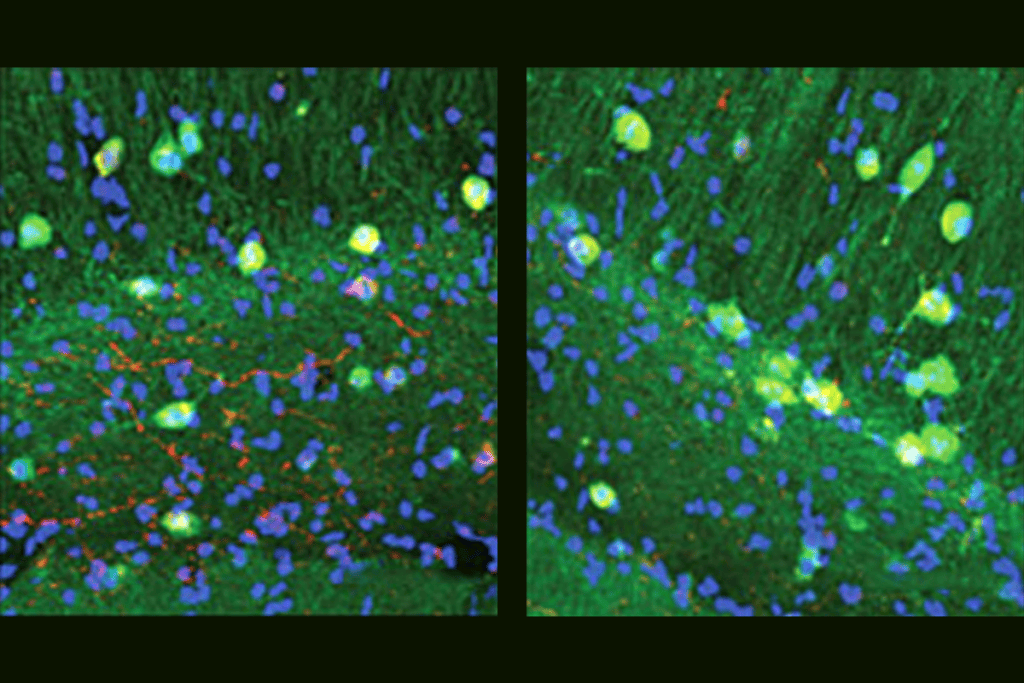
Behavioral phenomics in zebrafish; and more
Here is a roundup of autism-related news and research spotted around the web for the week of 26 October.
Behavioral phenomics in zebrafish; and more
Here is a roundup of autism-related news and research spotted around the web for the week of 26 October.
Neuroscience gave AI its start. What happens now?
David Sussillo maps the two fields' divergent paths, and where they might still meet.
Neuroscience gave AI its start. What happens now?
David Sussillo maps the two fields' divergent paths, and where they might still meet.